
Fertilization
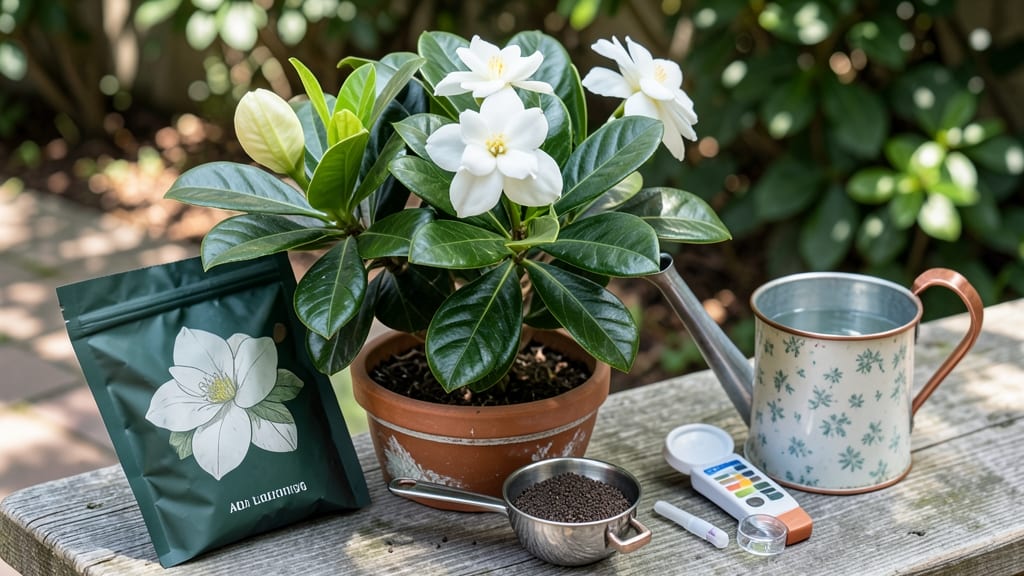
Feeding your potted gardenias 🌸 with the right fertilizer is the key to those glossy leaves and intoxicating blooms you dream of every spring.
Struggling to keep your potted gardenias blooming year after year? The secret lies in a precise acidic fertilizer schedule that mimics their natural tropical environment—without overpowering their delicate roots.
Most gardeners overlook the fact that container-grown gardenias need more frequent feeding than their in-ground cousins, but they also hate soggy soil and salt buildup. That’s why choosing the right fertilizer—and knowing when to apply it—makes all the difference.
In this guide, I’ll walk you through the best organic and synthetic options, a seasonal feeding calendar, and how to spot the warning signs of over- or under-fertilization before it’s too late.

Best acid-loving fertilizers for potted gardenias and their application rates
Your potted gardenias crave the same acidic, nutrient-rich conditions they'd find in their native tropical forests. The right fertilizer for gardenias in pots isn't just about feeding—it's about maintaining that perfect pH 5.0-6.0 balance while providing the right nutrients for those fragrant white blooms.
Without this, you'll see yellow leaves, sparse flowers, or even leaf drop. Let's break down the best options and how to use them.
Gardenias respond best to fertilizers with balanced NPK ratios (10-10-10 or 12-12-12) but with extra micronutrients like iron and magnesium. The key is applying them at the right time—too much fertilizer burns roots, while too little starves your plant.
We'll cover both organic and synthetic options, plus how to create your own acidic fertilizer blends at home.
For synthetic fertilizers, I recommend starting with Miracid® Azalea/Camellia—it's specifically formulated for acid-loving plants and contains the micronutrients gardenias crave. The 8-3-9 ratio promotes blooms while preventing leaf burn. Always dilute it to half-strength for potted plants to avoid salt buildup in the limited soil volume.
If you prefer organic options, fish emulsion is my go-to. Its 5-1-1 ratio provides nitrogen for foliage while being gentle on roots. For an extra acid boost, mix in 1 tablespoon of white vinegar per gallon of diluted fertilizer.
This mimics the natural acidity of gardenia habitats without harming your plant.
One of my favorite DIY blends combines compost tea, worm castings, and peat moss.
To make it, steep 1 cup compost in 5 gallons of water for 24 hours, then add 1/2 cup worm castings and 1 tablespoon sulfur to lower pH. Strain and apply every 6 weeks during growing season. This method feeds your gardenia while improving soil structure in containers.
Regardless of fertilizer type, always water thoroughly before applying to prevent root burn. For potted gardenias, I also recommend flushing the soil every 3 months with plain water to remove excess salts. This is especially critical in small containers where salts can accumulate quickly and damage roots.
Watch for signs of over-fertilization like crispy leaf edges or brown spots—these mean you're feeding too much. Under-fertilized plants show yellow leaves between veins (iron deficiency) or stunted growth. Adjust your schedule accordingly, remembering that less is more with potted plants due to their limited root space.
For bloom production, focus on fertilizing during the active growing months (April-September). In winter, reduce feeding to every 8-12 weeks as growth slows. This seasonal adjustment prevents waste and keeps your gardenia healthy year-round.
Pro tip: Always test your soil pH before fertilizing. Gardenias won't absorb nutrients properly if the pH drifts above 6.0. You can lower pH naturally by adding sulfur or pine needles to your potting mix.
For a quick fix, water with lemon juice diluted to 1 tablespoon per gallon once a month.
Monthly acidic fertilizer schedule for potted gardenias by season
Your potted gardenias thrive when their acidic fertilizer schedule matches their natural growing cycles. Unlike in-ground plants, container-grown gardenias need more frequent feeding but with precise adjustments by season. The key is balancing nutrient delivery with their tropical roots' sensitivity to salts and over-fertilization.
In spring, when new growth emerges, I start with a light feed of acidic fertilizer to stimulate blooms without shocking the plant. Summer demands the most attention—this is when gardenias reward you with fragrant blooms, but only if you feed them correctly.
Fall is all about tapering off, while winter is a complete rest period.
Here’s my seasonal fertilizer schedule that’s saved my gardenias from nutrient stress and leaf burn. The table below breaks down what to apply, how often, and at what strength for each month.
Watch for warning signs like crispy leaf edges or yellowing between veins—these signal over-fertilization. If leaves turn pale green, your gardenia may need more iron or a chelated supplement. Always water thoroughly after feeding to prevent salt buildup in the pot’s soil.
Pro tip: Flush the soil with water every 3-4 months to remove excess salts. I use a gentle hose stream at the drainage holes until water runs clear from the bottom. This keeps roots healthy and prevents fertilizer burn.
By following this schedule, your potted gardenias will reward you with lush foliage and fragrant blooms year after year—without the stress of guesswork. 🌸