
Container Gardens
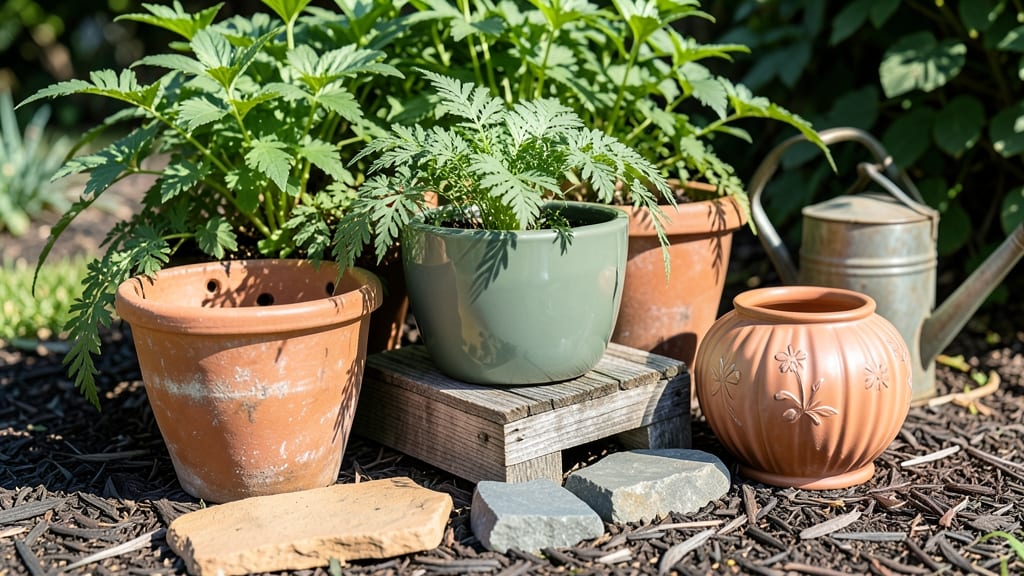
Clay garden pots 🏺 bring timeless style and plant-perfect properties to your garden—breathable, heat-resistant, and built to last for decades.
If you love gardening but hate replacing plastic pots every few years, terracotta clay garden pots could be your perfect solution—durable, breathable, and naturally heat-resistant for plants that thrive in warmth.
Unlike flimsy plastic or heavy ceramic, these pots wick away moisture while keeping roots cool, making them ideal for sun-loving herbs, succulents, and Mediterranean plants. Plus, their rustic charm elevates any outdoor space, from modern balconies to cottage gardens.
In this guide, I’ll show you how to choose the right style for your plants, care for them year-round, and style them for maximum impact—so you can enjoy both beauty and functionality for seasons to come.
Why terracotta clay pots outlast plastic and ceramic for heat-loving plants
If you’ve ever watched a succulent wilt in a plastic pot or seen herbs dry out too fast in ceramic, you know not all containers are created equal.
Terracotta clay pots stand out for their natural heat resistance and ability to regulate moisture—perfect for Mediterranean plants like rosemary, lavender, and olive trees that crave warmth. Unlike plastic, which warps, or ceramic, which can trap moisture, terracotta breathes with your plants, creating an ideal microclimate.
The secret lies in terracotta’s porous clay composition. This material absorbs and releases moisture gradually, preventing root rot in summer while keeping soil from drying out too quickly. For herbs and succulents, this means fewer watering trips and healthier growth.
Plus, terracotta’s rough texture provides grip for vines and climbing plants, reducing the risk of tipping over in high winds.
Here’s how terracotta compares to other materials in key areas:
One of terracotta’s biggest advantages is its heat tolerance. While plastic pots melt under 100°F sunlight and ceramic glazes can crack, terracotta handles up to 200°F without deforming. This makes it ideal for outdoor patios or rooftop gardens where temperatures spike.
My rosemary bushes in terracotta pots thrive in my Zone 9 climate, while the same plants in plastic pots struggled with stunted growth.
Terracotta’s porous nature also discourages pests like fungus gnats, which thrive in damp plastic pots. The rough surface provides less hiding space for slugs and snails compared to smooth ceramic.
For herb gardens, this means fewer chemical interventions and healthier leaves. I’ve noticed my basil and thyme grow more vigorously in terracotta, with fewer signs of disease.
Durability is another standout feature. A well-maintained terracotta pot can last decades, passing down through generations. My grandmother’s terracotta pots, used for geraniums in the 1970s, are still in use today—just with a fresh coat of paint.
Plastic pots, on the other hand, fade, crack, and degrade under UV exposure within 1-3 years. Ceramic pots may last longer but often require glaze repairs over time.
For Mediterranean plants like lavender and olive trees, terracotta mimics their native soil conditions. These plants prefer well-draining, mineral-rich soil—exactly what terracotta provides. In contrast, plastic pots can become waterlogged, leading to root rot, while ceramic pots may not provide enough airflow for these drought-tolerant species.
If you’re concerned about terracotta’s weight, modern designs now offer lighter terracotta blends that retain the material’s benefits while being easier to move. For balcony gardens or small spaces, these are a game-changer. Pair them with self-watering bases to reduce maintenance without sacrificing the material’s natural properties.
My top recommendation? Start with unglazed terracotta pots for maximum breathability. For colder climates, opt for glazed terracotta to prevent winter cracking. With proper care, your terracotta pots will outlast plastic and ceramic, becoming a timeless centerpiece for your heat-loving plants.
Ready to upgrade your garden? Terracotta isn’t just a pot—it’s a long-term investment in healthier, happier plants. 🌱
Best terracotta pot styles for different plant types and climates
Terracotta clay garden pots aren’t just stylish—they’re functional powerhouses for plants that crave warmth and excellent drainage. The right style can mean the difference between a thriving basil plant and one struggling in soggy soil.
Whether you're in a hot desert climate or a humid coastal zone, choosing the right pot shape and size keeps roots happy and your garden looking intentional.
Not all terracotta pots are created equal. Some styles wick moisture faster, while others retain heat better. For example, glazed terracotta slows evaporation, perfect for succulents and Mediterranean herbs, while ribbed designs add structural support for tomatoes and peppers.
Let’s explore the best terracotta pot styles tailored to your plants and climate.
-
🌿 Shallow Pots (4-6" deep)
Ideal for: herbs (basil, thyme), strawberries, and shallow-rooted annuals. Their broad surface area maximizes sun exposure and prevents overheating in hot climates.
-
🍅 Deep Pots (10"+ deep)
Best for: tomatoes, peppers, and deep-rooted perennials. The extra depth mimics in-ground conditions, crucial for heat-loving vegetables in USDA zones 8-10.
-
💧 Self-Watering Pots
Perfect for: travelers or busy gardeners. The built-in reservoir keeps succulents and tropical plants hydrated without daily checks—ideal for humid climates where evaporation is slow.
-
🏺 Ribbed or Textured Pots
Great for: vining plants (cucumbers, beans). The extra grip prevents toppling in windy conditions, while the texture improves airflow to roots.
-
🌡️ Glazed Terracotta
Best for: moisture-sensitive plants (lavender, rosemary). The glaze reduces water loss by 30%, making it ideal for arid regions where pots dry out quickly.
For hot, dry climates, opt for unglazed terracotta with light-colored finishes to reflect sunlight and reduce heat absorption. In cooler coastal areas, darker glazes can help retain warmth for tender perennials.
Pair your pot choice with the right drainage holes—a must for terracotta to prevent root rot in heavy clay soils.
Pro tip: Group pots by size and material to create a cohesive look. A 6-inch shallow pot for herbs next to a 12-inch deep pot for tomatoes adds visual interest while meeting functional needs. And don’t forget to elevate pots in high-humidity zones to improve airflow and prevent fungal issues.
Terracotta pots aren’t just containers—they’re a climate-smart investment that elevates your garden’s aesthetics while keeping plants thriving. With the right style, you’ll enjoy decades of use and a garden that’s as resilient as it is beautiful. 🌱