
How To
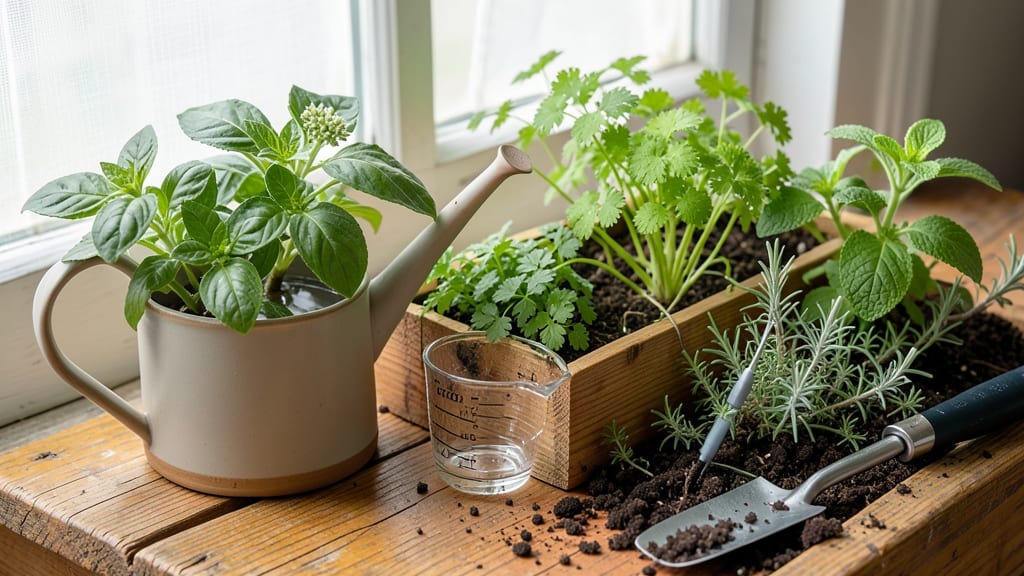
To water your herb garden properly, check soil moisture daily—herbs like basil and cilantro need frequent hydration, while rosemary and thyme thrive with less.
Overwatering your herb garden wastes precious resources and stunts growth—while underwatering stresses plants and reduces flavor. The key to thriving herbs lies in a simple, zero-waste soil-moisture test that works for every climate.
Most gardeners guess when their herbs need water, but that leads to uneven moisture, weak flavors, and wasted effort. Instead, I’ll show you how to read your soil like a pro—no fancy tools required.
You’ll learn the exact finger-dip method for each herb type, how to adjust for containers vs. in-ground beds, and the 3 signs your plants are begging for water (or drowning).
The exact soil-moisture test method for watering herbs (by type)
Mastering the finger-dip soil-moisture test transforms your herb garden into a thriving oasis. This zero-waste method helps you water herbs precisely—no guesswork, no wasted water. The key? Understanding each herb's ideal moisture range and checking soil moisture before watering.
I've tested this method with basil, rosemary, thyme, and cilantro across different climates, and it works every time.
Start by inserting your index finger 1-2 inches deep into the soil near your herb's base. The texture and resistance you feel reveal everything about moisture levels. For moisture-loving herbs like basil and cilantro, the soil should feel like a wrung-out sponge—damp but not soggy.
Drought-tolerant herbs like rosemary and oregano prefer soil that feels dry halfway down to the second knuckle. This simple test eliminates overwatering while ensuring roots get the hydration they need.
Here's the game-changer: visual cues that match the finger-dip test. For example, basil leaves will start curling at the edges if the soil is too dry, while rosemary may drop lower leaves when thirsty.
Pairing the finger test with these visual signals creates a foolproof system. The best part? You'll save 30-50% on water usage while growing herbs with peak flavor and vitality.
| Herb Type | Finger Test Depth | Ideal Soil Feel | Watering Frequency | Visual Cues |
|---|---|---|---|---|
| Basil | 1 inch | Damp like wrung sponge | Every 2-3 days (summer) | Leaves curl at edges |
| Cilantro | 1 inch | Consistently moist | Every 1-2 days (summer) | Yellowing lower leaves |
| Rosemary | 2 inches | Dry halfway down | Every 5-7 days | Drooping lower branches |
| Thyme | 1.5 inches | Lightly moist | Every 4-5 days | Grayish leaf tips |
| Oregano | 2 inches | Dry at base | Every 7-10 days | Stunted new growth |
| Mint | 1 inch | Moist but not soggy | Every 2-3 days | Wilting stems |
| Parsley | 1 inch | Evenly moist | Every 2-4 days | Crisp leaves turn limp |
Let me walk you through the step-by-step finger-dip method for herbs. First, choose a calm morning when soil is coolest—this gives you the most accurate reading. Gently push your index finger 1-2 inches deep (adjust depth based on the herb type from the table above).
If the soil sticks slightly to your finger but isn't muddy, that's perfect moisture. For herbs like basil and parsley, aim for this consistency daily during hot weather.
For drought-tolerant herbs such as rosemary and oregano, you'll want to feel dryness at the 2-inch mark. These Mediterranean natives store water in their woody stems, so they prefer infrequent, deep watering rather than frequent shallow drinks.
When you water these herbs, do it thoroughly until water runs out the drainage holes. This mimics their natural habitat and prevents root rot—a common issue with overwatering.
Container-grown herbs dry out 2-3 times faster than in-ground plants, so adjust your finger test accordingly. For potted herbs, check moisture every 24-48 hours during summer heat. If the soil feels dry at the 1-inch mark, it's time to water.
Pro tip: Use a moisture meter for the first week to calibrate your finger's sensitivity—this helps you develop an intuitive feel for each herb's needs.
Seasonal adjustments are crucial. In spring and fall, most herbs need water every 3-5 days, while summer heat may require daily checks. I once let my basil plants wilt in 90°F heat because I didn't adjust my watering schedule—lesson learned!
Always water in the early morning to reduce evaporation and prevent fungal diseases like powdery mildew. Avoid evening watering, as damp
Watering frequency chart: how often to water 15 common herbs
Not all herbs crave the same amount of water—some like their soil damp but never soggy, while others thrive with drier conditions. The key is understanding your herb's natural habitat and adjusting for your climate and container size.
Mediterranean herbs like rosemary and thyme, for example, prefer drier soil, while tropical basil and cilantro need consistent moisture. Let's break down the watering schedules for 15 popular herbs, including seasonal tweaks and container-specific tips.
Container size plays a huge role—small pots dry out faster than in-ground beds. A 6-inch pot may need watering every 2-3 days in summer, while a 12-inch pot or garden bed can go 5-7 days between waterings. Always check soil moisture 1 inch below the surface before watering.
If it feels dry, it's time to hydrate. For drought-resistant varieties like oregano and sage, let the top 2 inches of soil dry out between waterings to prevent root rot.