
Pests
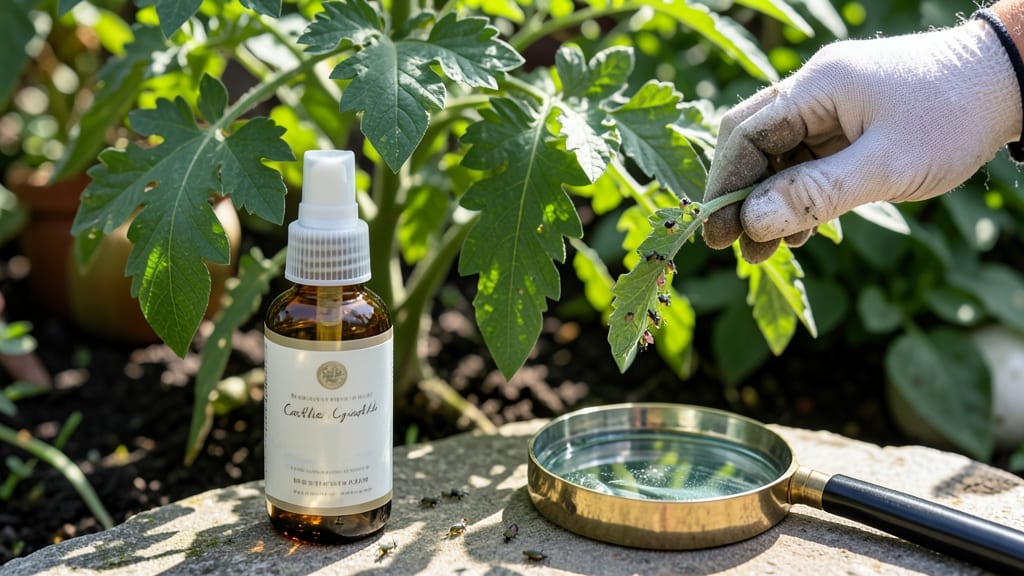
Using Castile soap for garden pests effectively smothers soft-bodied insects like aphids, mites, and whiteflies by breaking down their protective layers when mixed at a 1-2% dilution. Always spray directly on pests to protect beneficial insects and plants.
Castile soap works by dissolving the waxy outer layer of insects, which disrupts their ability to breathe and retain moisture. 🔥 This gentle yet powerful approach makes it ideal for organic gardening, as it avoids harsh synthetic chemicals that can harm your plants or beneficial pollinators.
The key is proper dilution—too strong, and you risk damaging foliage, while too weak won't effectively control pests. I recommend testing on a small area first, especially for sensitive plants like tomatoes or peppers.
For best results, apply early in the morning when pests are most active and temperatures are cooler. This minimizes stress on your plants while maximizing the soap's effectiveness. Remember to reapply every 5-7 days or after rain, as the solution washes away over time.
The organic certification of your Castile soap also matters—look for 100% plant-based ingredients without added fragrances or essential oils that could be toxic to beneficial insects.
💡 In This Article
- How Castile Soap Kills Garden Pests Without Chemicals
- Best Castile Soap Recipes for Targeting Specific Garden Bugs
How Castile soap kills garden pests without chemicals
The magic of Castile soap lies in its molecular structure—specifically, its ability to act as a surfactant. When properly diluted, the soap molecules lower the surface tension of water, allowing it to penetrate the waxy cuticle that protects insects like aphids and whiteflies.
This cuticle isn't just a barrier; it's their first line of defense against dehydration and environmental stressors. By breaking it down, the soap creates microscopic holes that disrupt the insect's respiratory system and moisture balance. 🔥
For soft-bodied pests, the process is almost immediate: within minutes of contact, their bodies begin to dry out as natural oils are stripped away.
Harder exoskeletons like those on beetles or earwigs make them less susceptible, which is why Castile soap works best on aphids (which have thin, permeable skins) versus armored pests.
The key measurement here is dilution—1-2% concentration (1-2 tablespoons per quart of water) creates enough surface activity to be effective without harming plant tissues. Too strong, and you risk phytotoxicity; too weak, and pests develop resistance.
What makes this method particularly appealing is its selectivity. Unlike broad-spectrum chemical pesticides, Castile soap targets only the pests you spray directly. Beneficial insects like ladybugs or bees—whose exoskeletons are thicker and more resistant—typically avoid the treated areas.
The organic certification of your soap matters here too: pure, unscented Castile soap contains only 100% plant-based oils (usually olive or coconut) without synthetic additives that could linger in your soil or waterways.
Temperature plays a subtle but important role in effectiveness. Cooler morning conditions (60-75°F) enhance the soap's ability to cling to pests, while direct sunlight can cause the solution to evaporate too quickly.
This is why early morning applications work best—pests are sluggish from overnight cooling, and the spray has more time to work before heat stress sets in. For persistent infestations, reapply every 5-7 days, always focusing on the undersides of leaves where many pests hide.
Here's what happens at the cellular level: the soap's anionic molecules bind to the lipid layer of the insect's cuticle, creating pores that allow water to enter and essential oils to escape. Within 15-30 minutes, the pest's body loses its ability to regulate moisture, leading to desiccation.
This process is particularly effective against aphids, which have a thin, permeable exoskeleton covering just a single layer of cells. For comparison, spider mites—though smaller—have slightly thicker cuticles, which is why they often require a slightly stronger 2% solution for control.
One common misconception is that Castile soap kills pests instantly. In reality, it's a 24-48 hour process of gradual dehydration and respiratory failure. This slower action gives you time to monitor your garden and adjust applications as needed.
The lack of immediate knockdown also means you'll need patience and consistency—especially during peak pest seasons like late spring or early summer when aphid populations explode.