
Planting
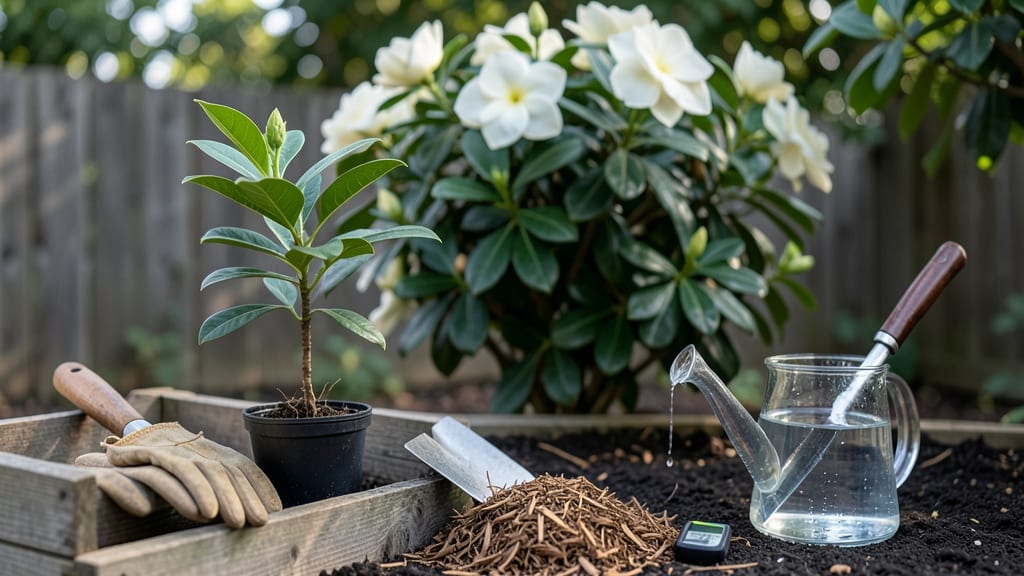
Planting gardenias at the best time ensures those dreamy, fragrant blooms 🌸 take hold—and thrive—without fighting the heat or frost.
If you’ve ever dreamed of a garden bursting with creamy-white gardenia blooms year-round—especially in Southern climates—timing your planting is the secret weapon you’ve been missing.
In USDA Zones 8-11, where gardenias love to live, late winter to early spring (after the last frost) is your golden window. But cooler regions? Fall planting (6-8 weeks before frost) gives roots time to settle before winter’s chill.
Below, I’ll break down the exact months for your zone, how to prep soil for acid-loving gardenias, and pro tips to keep them blooming like clockwork—whether you’re tucking them into the ground or keeping them in containers.
Optimal planting windows for gardenias by US hardiness Zones
Gardenias thrive in warm climates but struggle with frost, making timing everything for your USDA Zone the key to success. In Zones 7-11, you can plant gardenias in spring or fall, but the exact window depends on your local climate.
Planting at the right time ensures strong root establishment and vibrant blooms all season.
For Zones 9-11, where winters are mild, gardenias can be planted year-round, but spring (March-April) is ideal for maximum blooms. In Zone 8, frost is a bigger risk, so timing becomes even more critical.
Let’s break down the best planting windows for each zone to avoid common pitfalls like transplant shock or winter damage.
🌱 Pro Tip: Always check your local last frost date and first frost date to refine your planting schedule. Gardenias need warm soil (60°F+) to thrive, so avoid planting too early in cooler zones.
In Zone 7, where frost is a real threat, planting gardenias in late spring (April-May) ensures they establish roots before winter. If you prefer fall planting, aim for September-October, giving roots time to settle before cooler weather arrives. Mulching heavily in winter protects roots from temperature swings.
For Zones 8-9, gardeners have more flexibility. Spring planting (March-April) aligns with natural growth cycles, while fall planting (September-October) allows roots to grow in mild winter conditions. In Zone 8, monitor local frost forecasts closely—some years may require a later spring planting date.
Gardenias in Zones 10-11 can be planted almost anytime, but avoid extreme heat. Plant in early spring (January-February) or late summer (August-September) to give roots time to adjust before summer’s intensity. Container gardening is a great option here, allowing you to move plants to shaded areas during heatwaves.
Regional microclimates also play a role. Coastal areas in Zone 9 may have milder winters, while inland regions might experience earlier frosts. Observe your garden’s specific conditions—shaded spots stay cooler longer, while sunny areas warm up faster. Adjust your planting timeline accordingly for optimal blooming performance.
After planting, focus on consistent moisture and partial shade to help gardenias acclimate. In Zones 7-8, young plants may need winter protection, like burlap wraps or frost cloth, to survive occasional cold snaps.
With the right timing, your gardenias will reward you with fragrant blooms from summer through fall.
🌿 Key Takeaway: The best time to plant gardenias depends on your zone and microclimate. Always prioritize warm soil and frost-free conditions—whether you’re in Zone 7’s chillier winters or Zone 11’s tropical heat.
How to extend gardenia blooming seasons with strategic planting
Gardenia blooms are the crown jewels of Southern gardens, but their seasonal performance depends on how—and when—you plant them. The key to year-round fragrance lies in strategic timing and flexible growing methods.
Unlike many plants, gardenias thrive with a little extra planning, especially in humid climates where heat and moisture can shorten their bloom cycles.
Most gardeners focus on spring planting, but the real magic happens when you combine staggered plantings, container mobility, and pruning precision. These tactics let you push blooms from early spring through late fall, even in zones where summer heat typically pauses flowering.
Let’s break down how to make it work in your garden.
-
1Stagger plantings every 4-6 weeks from late winter to early summer. This creates a rolling bloom cycle—when one batch finishes, another begins. For example, plant your first batch in March, then add April and May batches to extend blooms until October.
-
2Use containers for mobility. Move potted gardenias to shadier spots during peak summer heat (100°F+). A 5-gallon pot with acidic potting mix lets you relocate plants to morning sun or dappled shade as needed, preventing heat stress that halts blooming.
-
3Prune strategically in late summer (August-September) to stimulate new growth before fall. Cut back 1/3 of the oldest stems to encourage winter blooms. Avoid heavy pruning in spring—this delays flowering by 4-6 weeks.
-
4Fertilize in 3 phases: - Spring: Light feed (March) to wake roots - Summer: Balanced feed (June-August) for blooms - Fall: Light feed (September) for winter prep Use 8-4-8 NPK to avoid leafy growth at the expense of flowers.
One of my favorite tricks is interplanting gardenias with shade-loving companions, like caladiums or impatiens. These plants protect gardenia roots from midday heat while adding color.
In my Zone 9 garden, this combo lets gardenias bloom from April through November—a full 7-month extension compared to a single spring flush.
Don’t overlook fall planting either. In warmer zones (8b-11), plant bare-root gardenias in September for winter-to-spring blooms. The cooler temps and shorter days actually trigger more buds than summer planting. Just ensure soil temps stay above 60°F—below that, roots struggle to establish.
For container gardeners, root pruning every 2-3 years keeps plants compact and flowering. Use a sterilized knife to trim outer roots by 1/3 when repotting. This shock stimulates new growth and doubles bloom density the following season.
Pair this with regular deadheading (removing spent blooms) to redirect energy to new flowers.
With these tactics, your gardenias won’t just survive the Southern summer—they’ll thrive and bloom when others fade. The secret? Work with the climate, not against it, by adjusting timing, location, and care like a pro. 🌸