
Light Requirements
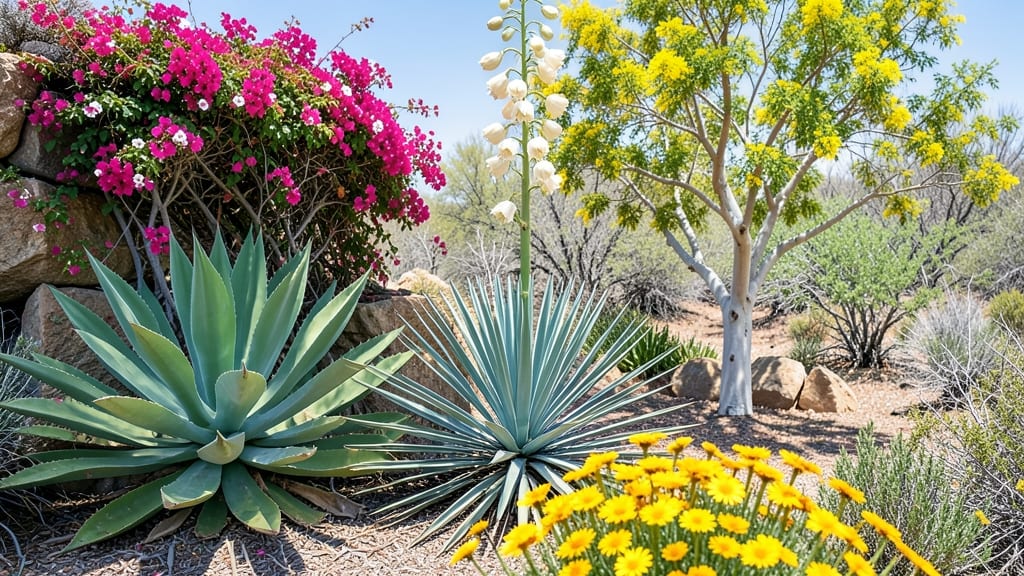
Arizona's gardening zones span USDA Zones 4 through 11, creating one of the most diverse climates in the country. The state's extreme elevation changes—from high deserts to mountain peaks—create microclimates where Zone 11's intense heat meets Zone 4's chilly winters.
Arizona's gardening zones aren't just about temperature—they're shaped by elevation, humidity, and even soil composition. Zone 11 in the Sonoran Desert experiences 120°F+ summers, while Zone 4 in Flagstaff can drop below freezing for months. Phoenix and Tucson typically fall into Zones 9-10, where water conservation is critical.
This diversity means your plant choices should adapt to both heat tolerance and cold resistance, with some areas needing both strategies in the same yard!
💡 In This Article
- Understanding Arizona’s Unique USDA Plant Hardiness Zones
- Best Plants for Each Arizona Gardening Zone
Understanding Arizona’s unique USDA plant hardiness zones
Arizona’s gardening zones defy typical expectations because they’re shaped by elevation more than latitude. For every 1,000 feet increase in elevation, temperatures drop roughly 3.5°F, creating dramatic shifts across short distances.
The Sonoran Desert at sea level bakes in Zone 11 (average winter lows above 40°F), while Flagstaff’s Zone 6-7 sees snow and sub-freezing temps.
This vertical climate gradient means you might have Zone 9 plants thriving in your front yard while Zone 5 perennials survive just a few miles up a mountain.
The science behind this lies in atmospheric pressure and moisture retention. High elevations have 20-30% less oxygen than sea level, which affects plant respiration. Desert zones (Zones 9-11) experience extreme diurnal shifts—100°F+ days to 50°F nights—while mountain zones (Zones 4-7) have cooler, more stable temperatures.
Phoenix’s urban heat island effect pushes it into Zone 10b, while nearby Wickenburg (Zone 9a) sits just 100 miles away but at 1,500 feet higher elevation. This creates microclimates where a single property might span three zones!
What makes Arizona’s zones particularly challenging is the lack of humidity—desert air’s low moisture content means plants lose water 3x faster than in coastal regions. This forces gardeners to select species with deep root systems (like mesquite trees) or succulent foliage (like agave).
The USDA Zone 11 designation exists here because some areas never experience freezing temps, allowing tropical plants like bougainvillea to thrive year-round. Meanwhile, Zone 4 areas require cold-hardy varieties like Colorado blue spruce that can withstand -30°F winters.
Here’s how elevation directly impacts your garden:
- Below 1,000 ft: Zones 10-11 (Phoenix, Tucson) – 120°F+ summers, minimal frost risk
- 1,000-3,000 ft: Zones 8-9 (Scottsdale, Sedona) – 100°F+ days, occasional light frost
- 3,000-5,000 ft: Zones 6-7 (Flagstaff, Prescott) – 40-50°F winters, snow possible
- Above 5,000 ft: Zones 4-5 (Grand Canyon area) – sub-zero winters, short growing seasons
This diversity means your plant selection should consider both heat tolerance and cold hardiness. For example, while palm trees flourish in Zone 10, they’ll freeze in Zone 8 without protection. The key is matching plants to your specific microclimate—check your elevation and local weather patterns before choosing varieties.
Even within cities, north-facing slopes stay cooler than south exposures by 5-10°F, creating additional planting zones in your own backyard!
The takeaway? Arizona’s gardening zones aren’t just about numbers—they’re about understanding how elevation, moisture, and urban heat interact. Start by checking your exact elevation (available on USGS maps) and observe your local microclimate for at least a year before finalizing plant choices.
This precision ensures your garden thrives despite Arizona’s dramatic climate extremes. 🌵