
Pests
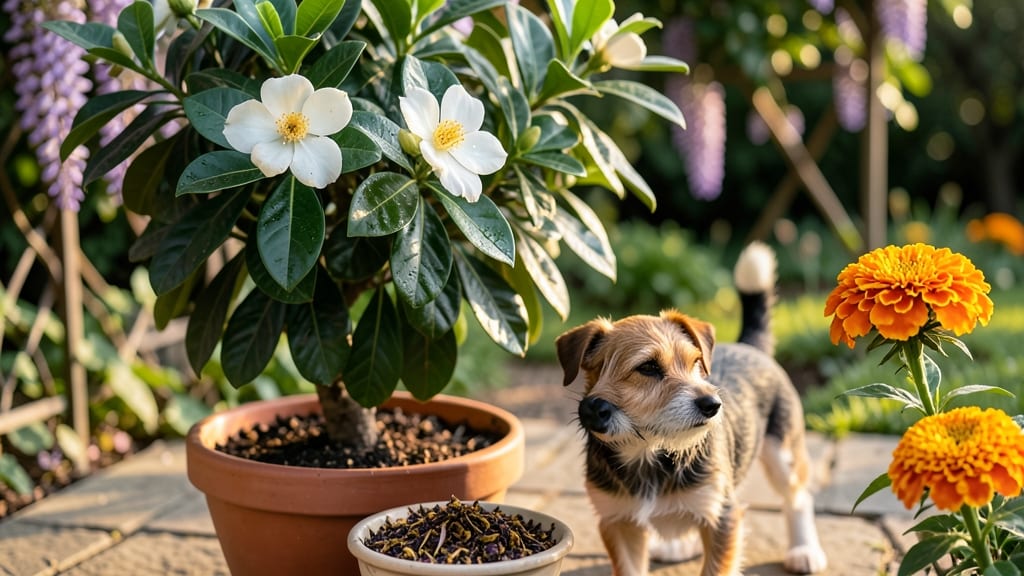
Gardenias are poisonous to dogs, containing toxic compounds like glycosides and saponins that can cause vomiting, diarrhea, and lethargy if ingested. All parts of the plant—flowers, leaves, and stems—pose risks, requiring immediate veterinary attention if consumed.
Gardenias contain naturally occurring toxins that can trigger severe reactions in dogs, even in small amounts. 🐾 The glycosides in the plant disrupt normal digestion, while saponins may irritate the digestive tract and even affect the nervous system over time.
What's alarming is how quickly symptoms can escalate—some dogs show signs within minutes, while others may take hours. I always recommend keeping gardenias completely out of reach, as even a single leaf or flower can pose serious health risks to curious pets.
If you suspect your dog has ingested any part of a gardenia plant, don't wait to see if symptoms appear.
The first 30 minutes are critical for effective treatment, which may include inducing vomiting under professional guidance. 🚑 Many pet owners mistakenly think fresh flowers are safe, but gardenias are one of those beautiful plants that hide dangerous secrets. Always double-check your garden's plant safety before letting your dog explore.
💡 In This Article
- Toxic Compounds in Gardenias and Their Effects on Dogs
- First Aid for Gardenia Poisoning in Dogs: Steps to Take
Toxic compounds in gardenias and their effects on dogs
Gardenias contain two primary toxins that pose serious risks to dogs: glycosides and saponins. Glycosides, specifically cardiac glycosides, interfere with the normal electrical signals in a dog's heart, potentially causing dangerous arrhythmias.
These compounds are most concentrated in the leaves and stems, but even the fragrant flowers contain enough to trigger reactions. Saponins, meanwhile, create soapy foaming when mixed with saliva, which irritates the mouth and digestive tract, leading to immediate discomfort.
The danger lies in how efficiently these toxins disrupt canine physiology. Glycosides bind to sodium-potassium pumps in cells, particularly in the heart and nervous system, which can lead to symptoms like bradycardia (slow heart rate) or even cardiac arrest in severe cases.
Saponins, while primarily causing gastrointestinal upset, can also damage red blood cells over time, leading to anemia if ingestion is repeated. Even a single 10-gram leaf (about the size of a postage stamp) can contain enough glycosides to cause noticeable symptoms in a 20-pound dog. 💛
Symptoms typically appear within 30 minutes to 12 hours after ingestion, depending on the amount consumed and the dog's size. Early signs include excessive drooling, pawing at the mouth, and vomiting—often with undigested plant material.
As toxicity progresses, dogs may develop lethargy, tremors, or even seizures due to nervous system involvement. The most alarming cases involve cardiac symptoms like a weak pulse or collapse, which require emergency veterinary intervention.
Unlike some plants that cause immediate, dramatic reactions, gardenias often have a delayed onset, making them particularly insidious.
What many pet owners don't realize is that gardenias remain toxic even when dried or processed. The glycosides don't degrade with heat or time, so wilted flowers or gardenia-scented products (like candles or potpourri) still pose risks.
The plant's natural fragrance, which humans find pleasant, actually masks the bitter taste that might otherwise deter a dog from eating it. This is why gardenias are classified as moderately toxic to dogs by the ASPCA—ranked just below highly toxic plants like lilies but still capable of causing life-threatening complications.
Breed size plays a critical role in determining toxicity levels. A 5-pound Chihuahua would experience more severe symptoms from the same amount of plant material than a 70-pound Labrador, simply due to the relative dose per body weight.
However, no dog is completely safe from gardenia toxicity. Even large breeds can develop dangerous arrhythmias if they consume significant quantities. The key is understanding that there's no safe threshold—any ingestion warrants immediate attention. 🚑
Long-term exposure to gardenia toxins can lead to chronic health issues. Repeated low-level ingestion may contribute to persistent gastrointestinal problems or even liver damage, as the body struggles to metabolize the glycosides. This is particularly concerning for dogs with pre-existing heart conditions, as the cardiac glycosides can exacerbate existing issues.
The good news is that with prompt treatment, most dogs recover fully from gardenia poisoning, but the window for effective intervention is narrow—especially when cardiac symptoms develop.