
Planting
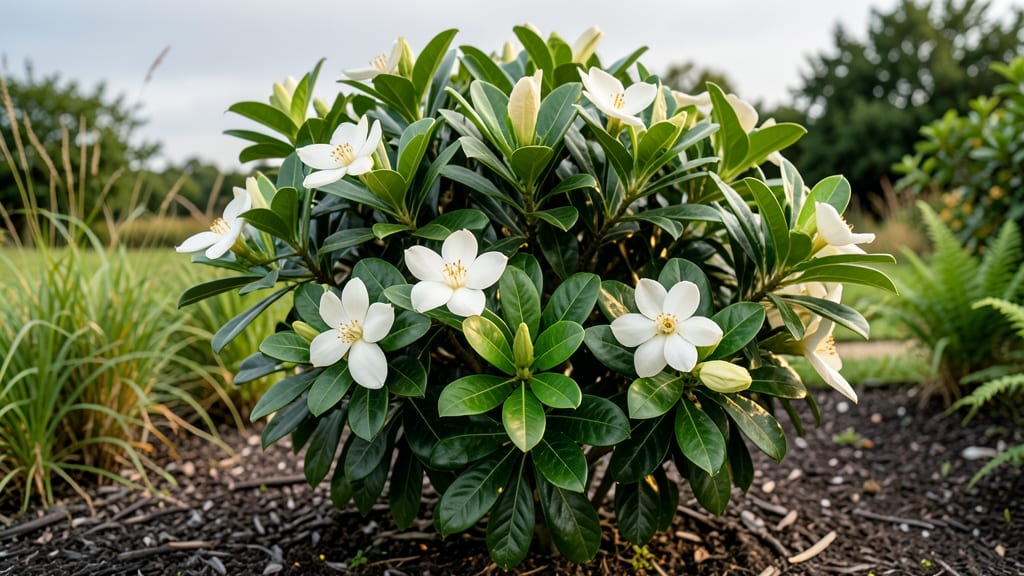
A gardenia plant size at maturity can range from a compact 3 feet to a towering 6 feet, depending on the variety and growing conditions you provide.
If you’ve ever dreamed of fragrant, glossy-leaved gardenias but hesitated due to their mature size, you’re not alone—many gardeners underestimate how much these tropical beauties can grow. The right variety and pruning can make all the difference between a sprawling shrub and a neatly contained centerpiece.
For example, Gardenia jasminoides typically reaches 4–6 feet tall with a similar spread, while dwarf varieties like Radicans stay under 3 feet, perfect for containers or small gardens. Understanding these differences helps you plan your garden layout without sacrificing those iconic blooms.
Below, I’ll break down the exact mature heights of popular gardenias, share pruning secrets to control their size, and recommend the best compact varieties for limited spaces. By the end, you’ll know exactly how to fit these fragrant stars into your yard—no guesswork required.
Gardenia plant size by variety: mature heights & growth habits
Gardenia plants are prized for their intoxicating fragrance and glossy foliage, but their mature size often surprises gardeners. Most varieties grow between 3 to 6 feet tall, though some can reach 10 feet or more with proper care.
Understanding these dimensions helps you plan your garden layout or choose the right container for patio gardening. Let’s explore how different gardenia varieties vary in size and growth habits.
Before selecting a variety, consider your space constraints. Dwarf gardenias stay under 5 feet tall, making them perfect for small yards or containers, while larger varieties need ample room to thrive.
The growth rate also matters—some varieties grow 6 to 12 inches per year, while others can double in size within a few seasons. Pruning plays a key role in managing height and encouraging bushier growth.
| Variety | Mature Height | Spread | Growth Rate | Best For |
|---|---|---|---|---|
| Gardenia jasminoides 'Kleim's Hardy' | 4-6 ft | 3-5 ft | 6-12 in/year | Cold-hardy gardens |
| Gardenia jasminoides 'Radicans' | 2-3 ft | 2-3 ft | 4-8 in/year | Containers, small spaces |
| Gardenia jasminoides 'Fortuniana' | 3-5 ft | 3-4 ft | 5-10 in/year | Patios, borders |
| Gardenia augusta 'Veitchii' | 8-10 ft | 6-8 ft | 12-18 in/year | Large gardens, hedges |
| Gardenia jasminoides 'Mystery' | 3-4 ft | 2-3 ft | 5-8 in/year | Containers, balconies |
| Gardenia jasminoides 'Kleim's Hardy Gold' | 4-5 ft | 3-4 ft | 6-10 in/year | Cold-hardy, fragrant blooms |
| Gardenia jasminoides 'Belinda' | 2-3 ft | 2-2.5 ft | 4-6 in/year | Dwarf varieties, containers |
| Gardenia jasminoides 'Radicans Compacta' | 1.5-2.5 ft | 1.5-2 ft | 3-5 in/year |
How to control gardenia size: pruning secrets for bushier bloomsPruning your gardenia isn’t just about keeping it tidy—it’s the key to controlling its height and spread while encouraging more abundant blooms. Without proper pruning, these tropical shrubs can reach 6–15 feet tall, overwhelming small gardens. The good news? Strategic cuts can transform a leggy gardenia into a compact, bushy powerhouse of fragrance. Timing is everything when pruning gardenias. Most gardeners make the mistake of cutting back too late, which can reduce next year’s blooms. The ideal time is right after flowering (late spring to early summer) or during late winter dormancy (before buds swell). This ensures you’re shaping the plant without sacrificing its spring bloom potential. ⚠️
Warning: Pruning Mistakes to Avoid
Start by gathering your tools: sharp bypass pruners for clean cuts, sterilized shears for smaller branches, and gardening gloves to protect your hands from thorns. Remove any dead, diseased, or crossing branches first—they compete with healthy growth for nutrients. Next, focus on thinning out the center to improve airflow, which prevents fungal issues like powdery mildew. To encourage a fuller shape, cut back the longest stems by about 1/3 their length. Make cuts just above a leaf node or outward-facing bud to promote new growth in the right direction. Avoid cutting into old wood, as gardenias struggle to regrow from woody stems. For dwarf varieties, limit pruning to light shaping—these plants bloom on new wood, so aggressive cuts can delay flowering. After pruning, give your gardenia a light fertilizer application with an acidic, balanced formula (like 10-10-10) to support recovery. Water deeply to help the plant recover from stress, but avoid overwatering, which can lead to root rot. Mulch around the base with organic material to retain moisture and protect roots from temperature swings. With consistent pruning, your gardenia will develop a denser, more manageable shape while producing more fragrant blooms. Over time, you’ll train it to stay within your desired height and spread, whether that’s a 3-foot patio specimen or a 6-foot hedge. The key is patience—gardenia responds best to gradual shaping rather than drastic changes. |