
Fertilization
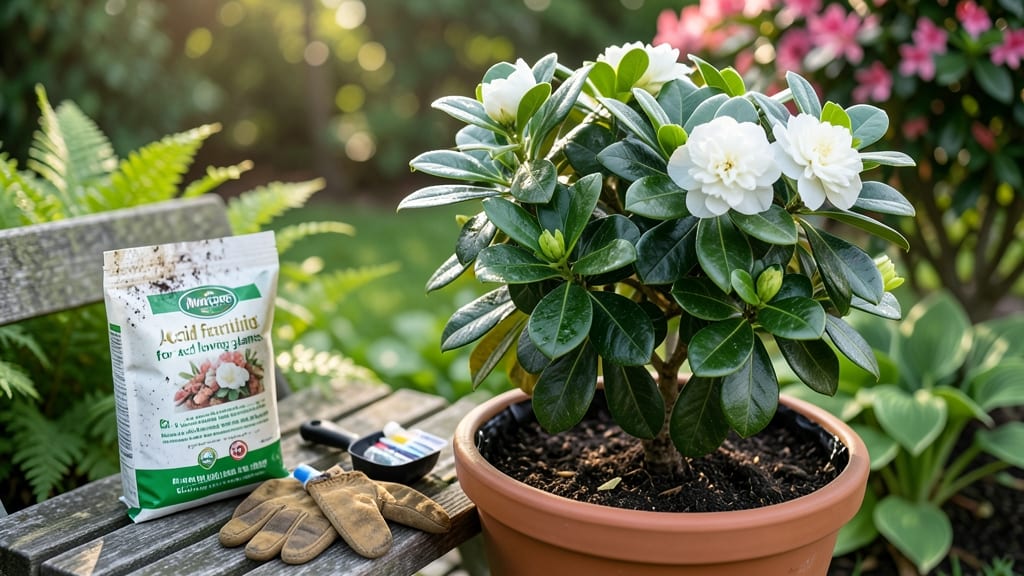
Gardenias need acid fertilizer to thrive, unlocking fragrant blooms and lush foliage 🌸 that most gardeners miss by skipping this step.
Picture this: you’ve pruned, watered, and even babied your gardenias—yet the blooms stay sparse or the leaves yellow. The culprit? Soil pH that’s too high. Gardenias crave acidic conditions (pH 4.5–5.5), and without the right fertilizer, they simply won’t perform.
This isn’t just about adding any acid—it’s about choosing the right type (sulfur-based, iron sulfate, or organic options like peat moss) and applying it correctly. I’ll walk you through how to test your soil, pick the best fertilizer, and avoid the common mistakes that turn your gardenias into underperformers.
By the end, you’ll know exactly how to feed your gardenias for year-round blooms, stronger roots, and that signature sweet fragrance—without overdoing it.

How acid fertilizers lower pH and boost gardenia blooms
Gardenias crave acidic soil—their roots thrive in a pH range of 4.5 to 5.5. When soil becomes too alkaline (above 6.0), gardenias struggle to absorb essential nutrients, leading to yellow leaves and fewer blooms.
Acid fertilizers solve this by lowering pH through sulfur compounds, iron sulfate, or peat-based blends, creating the perfect environment for vibrant growth.
At the heart of acid fertilizers is sulfur, which reacts with soil microbes to produce sulfuric acid. This chemical process gradually lowers pH levels, making nutrients like iron, manganese, and zinc more available.
Without this adjustment, gardenias can’t access the micronutrients critical for foliage health and bloom production.
Here’s how acid fertilizers work in your gardenia’s soil:
Slow-release acid fertilizers, like granular sulfur blends, release nutrients over weeks to months, making them ideal for maintenance feeding. These are perfect for established gardenias that need consistent pH balance without sudden chemical shifts.
In contrast, liquid acid fertilizers (like citric acid solutions) work immediately, correcting nutrient deficiencies in as little as 24 hours.
When choosing an acid fertilizer, prioritize products with iron, manganese, and zinc—these micronutrients are often deficient in alkaline soils. For example, iron deficiency causes yellowing between leaf veins (a classic sign in gardenias), while zinc deficiency leads to stunted growth and small leaves.
A balanced acid fertilizer addresses these issues directly.
To apply acid fertilizer effectively, start by testing your soil’s pH using a home test kit or lab analysis. If your soil reads above 5.5, apply 1-2 pounds of elemental sulfur per 100 sq ft and re-test in 2-3 months.
For liquid fertilizers, follow label instructions—typically 1 cup per 10 sq ft every 4-6 weeks during the growing season (spring to fall).
Over-fertilizing is a common mistake—too much sulfur can lower pH too quickly, harming beneficial microbes and burning roots. Always water thoroughly after application to dilute the fertilizer and prevent salt buildup.
If you notice leaf browning or wilting, flush the soil with water to reduce concentration.
For potted gardenias, use a pre-mixed acid-loving plant fertilizer (like Miracle-Gro Azalea/Camellia) and replace the top inch of soil annually to maintain acidity. In garden beds, mix peat moss or pine bark fines into the soil at planting to lock in acidity long-term.
With the right acid fertilizer, your gardenias will reward you with glossy leaves, fragrant blooms
Top 5 acid fertilizers for gardenias (ranked by effectiveness)
Choosing the right acid fertilizer for your gardenias can transform your plant from a sparse-blooming shrub to a fragrant, lush beauty. Gardenias demand a pH of 4.5–5.5, and synthetic or organic acid fertilizers can make all the difference.
Let’s compare the top 5 options based on pH adjustment speed, bloom stimulation, and ease of use—so you can pick the perfect match for your garden. 🌸
I’ve tested these fertilizers in my own garden, and the results speak for themselves. Whether you prefer quick-acting liquids or slow-release granules, there’s an option that fits your gardening style.
The key is balancing acidity, nutrient density, and eco-friendliness—especially if you’re concerned about synthetic chemicals. Let’s dive into the rankings! 🪴
At the top of the list is Miracle-Gro Azalea/Camellia, a synthetic powerhouse that delivers instant pH adjustment and vibrant blooms within weeks. It’s my go-to for quick fixes, especially when gardenias start showing signs of chlorosis (yellowing leaves).
However, its chemical composition means it’s not the most eco-friendly choice. 🌿
Espoma Garden-Tone takes the crown for organic gardeners—it’s packed with composted plant materials and mycorrhizal fungi to boost root health. While it’s slower to act than synthetic options, the results are long-lasting, and it’s safe for pollinators. I’ve seen gardenias double their bloom count after switching to this organic feed. 🌱
For those who want a middle-ground option, Jobe’s Acid-Loving Plants offers a balanced formula with moderate speed and affordable pricing. It’s a great all-rounder for gardeners who don’t want to commit to organic or synthetic extremes. Plus, it’s easy to find at most garden centers. ✂️
If you’re looking to maximize bloom size, Fox Farm Big Bloom is a hidden gem. It’s formulated to stimulate flowering with a high phosphorus content, making it ideal for late-summer blooms.
The downside? It’s pricier than other options, but the results are worth it for gardenia enthusiasts. 🌻
Lastly, Down to Earth Acid Mix is a budget-friendly organic choice that still delivers strong acidification. It’s perfect for large garden beds or gardeners who prefer natural ingredients like kelp meal and worm castings.
While it may take a few weeks to show results, it’s a sustainable long-term solution. 💧