
Landscaping
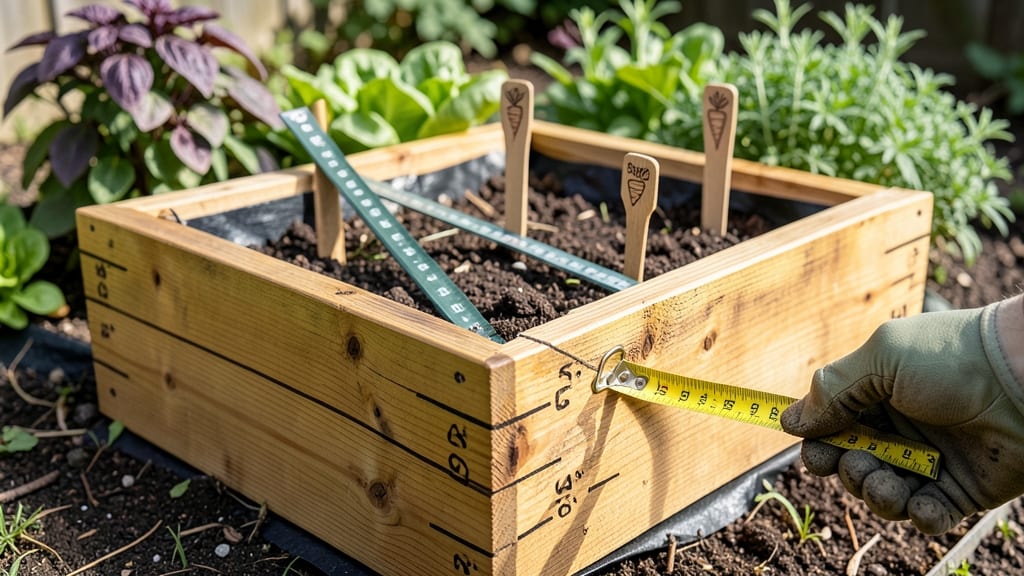
To make raised garden beds the right height, you need to balance root depth, accessibility, and drainage—because a bed that’s too shallow stunts carrots while one that’s too tall becomes a backache waiting to happen.
If you’ve ever wrestled with bending over a bed that’s too low or watched your potatoes struggle in shallow soil, you know height matters more than most gardeners realize. The good news? A few simple measurements can transform your gardening experience—from easier harvesting to healthier plants.
Most raised garden beds should sit between 6 and 12 inches tall for root vegetables like carrots and potatoes, while deeper beds (up to 24 inches) work best for perennials and heavy feeders like tomatoes. But don’t stop at height—consider your knees, too.
In this guide, I’ll break down the ideal heights for different crops, how to adjust for drainage and accessibility, and why your 6a zone garden might need a custom approach. Let’s build something that works for both your plants and your back!

Optimal raised garden bed height by root depth requirements
When designing raised garden beds, one of the most critical decisions is height—it directly affects root development, soil volume, and even your comfort while gardening.
Unlike in-ground planting, raised beds give you full control over these factors, but choosing the wrong height can stunt growth or lead to poor drainage. For example, carrots need 12+ inches of soil to develop properly, while basil thrives in just 6 inches.
Let’s break down the science behind height to help you design beds that support your plants—and your body.
The minimum height for most raised beds is 6 inches, but this only works for shallow-rooted plants like lettuce or herbs. For root vegetables (think potatoes, beets, or parsnips), you’ll need 12–18 inches of soil depth.
Meanwhile, perennial plants like asparagus or rhubarb may require 24+ inches to establish deep root systems. The key is matching your bed height to the deepest-rooted plant you plan to grow, ensuring all others fit comfortably too.
Here’s where it gets practical: taller beds (18–24 inches) offer better drainage and warmer soil in spring, but they also mean more soil to fill—often requiring 1 cubic yard per 4’x8’ bed.
For gardeners with mobility challenges, beds between 24–36 inches tall bring planting to waist height, reducing bending and strain. However, this height increase also means heavier materials and deeper pockets for your wallet (and back!). Balance is everything.
Calculating soil volume is easier than you think. A 4’x8’ bed that’s 12 inches tall holds about 0.5 cubic yards of soil. Double the height to 24 inches, and you’re looking at 1 cubic yard.
Pro tip: buy soil in bulk from local suppliers or mix your own with 60% topsoil, 30% compost, and 10% perlite for ideal drainage. If you’re reusing soil from your yard, test it first—compacted clay can suffocate roots, while sandy soil drains too quickly.
Don’t overlook drainage. Even in raised beds, water can pool at the bottom if you skip this step. Line the base with landscape fabric or hardware cloth to block weeds, then add a 2–3 inch layer of gravel or broken pottery before filling with soil.
This creates a drainage layer that prevents soggy roots, especially in heavy rainfall or clay-heavy soils. For extra insurance, elevate beds on cinder blocks or pavers to keep them off the ground entirely.
Accessibility shouldn’t be an afterthought. If you or someone in your household has limited mobility, consider waist-height beds (24–36 inches). This height lets you work standing up, reducing back strain and making tasks like weeding or harvesting
How to adjust raised bed height for specific vegetables and flowers
Not all plants need the same depth to thrive in raised beds. Leafy greens like lettuce and spinach only require 6–8 inches of soil, while root crops such as carrots and potatoes demand 12–18 inches to grow properly. Fruiting plants like tomatoes and peppers benefit from 10–12 inches of soil depth, and perennials like asparagus need 18–24 inches for long-term growth.
Adjusting your bed height based on what you plan to grow ensures healthier plants and higher yields.
For beginner gardeners, a 12-inch height is a versatile starting point. It accommodates most annual vegetables and flowers while keeping construction manageable.
If you're growing deep-rooted perennials or heavy feeders like corn, consider 18–24 inches to prevent root binding. Accessibility also matters—taller beds reduce bending, making gardening easier for children, seniors, or those with mobility challenges.
- 🌿 Leafy Greens (Lettuce, Spinach, Kale): 6–8 inches – Shallow roots thrive in minimal depth.
- 🥕 Root Crops (Carrots, Beets, Potatoes): 12–18 inches – Prevents stunted growth from restricted roots.
- 🍅 Fruiting Plants (Tomatoes, Peppers, Cucumbers): 10–12 inches – Supports robust root systems for heavy harvests.
- 🌸 Perennials (Asparagus, Rhubarb, Strawberries): 18–24 inches – Deep soil encourages long-term establishment.
- 🌼 Flowers (Marigolds, Zinnias, Sunflowers): 8–12 inches – Most annuals need moderate depth for stability.
When designing your raised bed, layer the soil to maximize depth without increasing height. For example, use 4–6 inches of compost at the bottom for drainage, followed by 6–12 inches of topsoil.
This approach works well for shallow-rooted plants while still providing enough space for deeper roots in sections where needed. Wooden frames are popular for raised beds, but ensure they’re at least 12 inches tall to accommodate most vegetables and allow for easy weeding and harvesting.
For container gardening or small spaces, consider stackable raised beds or modular designs. These let you adjust height as your plants grow or as your gardening needs change.
For instance, start with a 6-inch bed for herbs and salad greens, then add a 12-inch extension later for root vegetables. This flexibility is perfect for seasonal gardeners who rotate crops annually.
If you’re growing heavy feeders like corn or sunflowers, prioritize soil depth over height. A 12-inch-tall bed with 18 inches of soil (achieved through layering) will outperform a 24-inch-tall bed with only 12 inches of soil.
Always amend the soil with compost or aged manure to ensure nutrients reach the roots. Test your soil’s drainage by filling the bed with water—if it drains within 30 minutes, your setup is ideal.
Remember, ergonomics matter. A bed that’s too high (over 30 inches) can cause back strain, while too low (under 6 inches) limits root growth. Aim for a 12–18 inch height for most gardeners, and adjust based on your planting plan and physical comfort.
With the right height, your raised bed will become a productive powerhouse for years to come! 🌱