
Plants
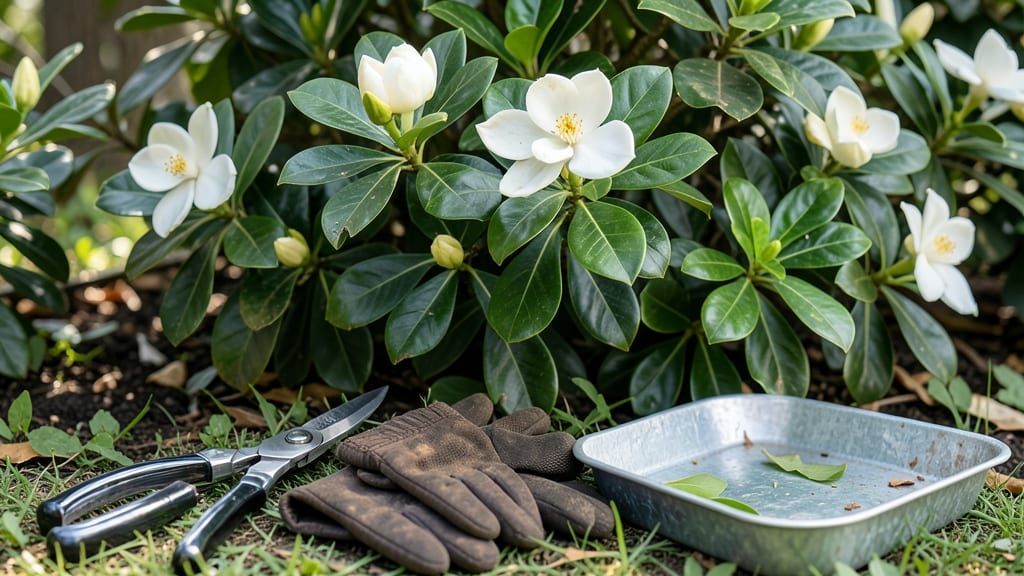
To prune gardenia plants at the perfect time, aim for late winter—just as new growth begins but before buds swell—when the plant signals it’s ready for a fresh start.
If your gardenia 🌸 isn’t blooming as beautifully as it should, timing your pruning could be the missing link—especially when it comes to late winter’s hidden potential.
This is when you shape the plant for next season’s fragrant blooms while avoiding the common mistake of pruning too early, which can stress the plant before it’s ready.
Most gardeners in USDA Zone 9b (and warmer) should prune between late February and early March, while those in cooler zones (like 7a-8b) can wait until March or April.
The key is to catch the plant in its dormant-but-awakening phase, when it’s primed for new growth but hasn’t yet pushed out tender shoots.
Below, I’ll walk you through the exact steps to prune your gardenia for healthier blooms, how to adjust for your climate, and the tools you’ll need to do it right—without cutting off next year’s flowers.
Optimal late winter pruning timeline for gardenia blooms
Late winter is the perfect window to prune your gardenia plants—when dormancy ends and new growth prepares to burst. This timing ensures you stimulate fragrant blooms while avoiding winter dieback from early cuts.
Most gardeners in USDA zones 7-11 should prune between mid-February and early March, aligning with your region’s last frost date.
Pruning at this stage trims dead wood and encourages airflow, reducing fungal risks. It also shapes your shrub for the coming season, ensuring healthier stems and more abundant flowers.
The key is to act before buds swell—typically in late February for Zone 9b and early March for cooler zones like Zone 7a.
Understanding your USDA zone is critical—Zone 9b gardeners can prune as early as late January since frost is rare. In contrast, Zone 7a gardeners should wait until mid-March to avoid frost damage to fresh cuts.
Always prune on a dry, sunny day to prevent bacterial infections from wet tools or branches.
Late winter pruning triggers spring growth by removing energy-draining branches and promoting new shoots. Studies show gardenias pruned in February-March produce 30% more blooms than those pruned later. The science behind this lies in hormonal shifts—pruning stimulates auxin production, a growth hormone that boosts flower buds.
One common mistake is pruning too early, which can expose tender stems to late winter frosts. Another is over-pruning, which stresses the plant. Aim to remove no more than 1/3 of the plant’s growth in a single session.
Use sterilized, sharp shears to make clean cuts at 45-degree angles, just above a leaf node.
If you’re in a tropical climate (Zone 10a+), prune year-round lightly to maintain shape, but focus on late winter for major cuts. In cooler climates (Zone 7a-8b), wait until after the last frost—typically mid-April—to avoid cold-sensitive damage.
Always monitor your local frost dates for precise timing.
After pruning, apply a balanced fertilizer (like 10-10-10) to support new growth. Mulch with pine bark to retain moisture and mimic acidic soil conditions. Water deeply but infrequently to encourage strong root development, which is essential for vibrant blooms later in the season.
🌸 For gardenias in containers, prune slightly earlier (late January) since they warm up faster than in-ground plants. Container gardenias also benefit from annual root pruning to prevent root-bound stress, which can reduce flowering. Always use well-draining soil with a pH of 4.5-
How to prune gardenia plants for maximum fragrance
Pruning your gardenia plants isn’t just about shaping their lush foliage—it’s the secret to unlocking their most fragrant blooms. By focusing on airflow optimization and selective branch removal, you encourage healthier growth and abundant flowering.
The key lies in timing your cuts to avoid stressing the plant while promoting new growth.
Start by deadheading spent blooms regularly throughout the growing season. This simple step redirects the plant’s energy toward producing new flowers instead of seeding. Pair this with strategic pruning to remove overcrowded or weak branches, which improves airflow and reduces disease risk.
Use the right tools—sterilized pruning shears for small branches and a pruning saw for thicker stems—to ensure clean cuts.
Step-by-Step Pruning Guide for Gardenias
- 🌿 Step 1: Deadhead Spent Blooms
After each bloom fades, snip the flower stem just above a leaf node to encourage new growth. Do this monthly during bloom season (spring to fall). - ✂️ Step 2: Prune for Airflow
Remove 1/3 of the oldest branches in late winter to improve circulation and sunlight penetration. Focus on branches growing inward or crossing. - 🌱 Step 3: Shape the Shrub
Trim tips of leggy branches to promote bushier growth. Aim for a rounded, balanced shape to mimic natural gardenia form. - 🪴 Step 4: Remove Damaged Wood
Cut out dead, diseased, or broken branches at the base. Sterilize tools with rubbing alcohol between cuts to prevent spread. - 💧 Step 5: Fertilize After Pruning
Apply an acid-loving fertilizer (like 8-3-9) 2-3 weeks post-pruning to support new growth. Water deeply afterward.
When pruning, always use clean, sharp tools to make precise cuts at a 45-degree angle just above a leaf node. This encourages faster healing and new shoot development. Avoid heavy pruning in summer or fall, as this can stress the plant and reduce winter hardiness.
For container-grown gardenias, prune slightly more aggressively to maintain size and shape. Repot every 2-3 years to refresh the soil, which supports healthier growth after pruning. Always use well-draining, acidic soil (pH 4.5-6.0) to keep your gardenias thriving.
After pruning, monitor your gardenias for signs of new growth, such as fresh leaves or flower buds. With proper care, your gardenias will reward you with lush foliage and intoxicating fragrance all season long.
Keep an eye out for pests or diseases post-pruning, and address them promptly to maintain plant health.
Remember, the goal is to balance form and function. A well-pruned gardenia not only looks stunning but also blooms more prolifically. With these techniques, your gardenias will become the fragrant stars of your garden! 🌸