
Planting
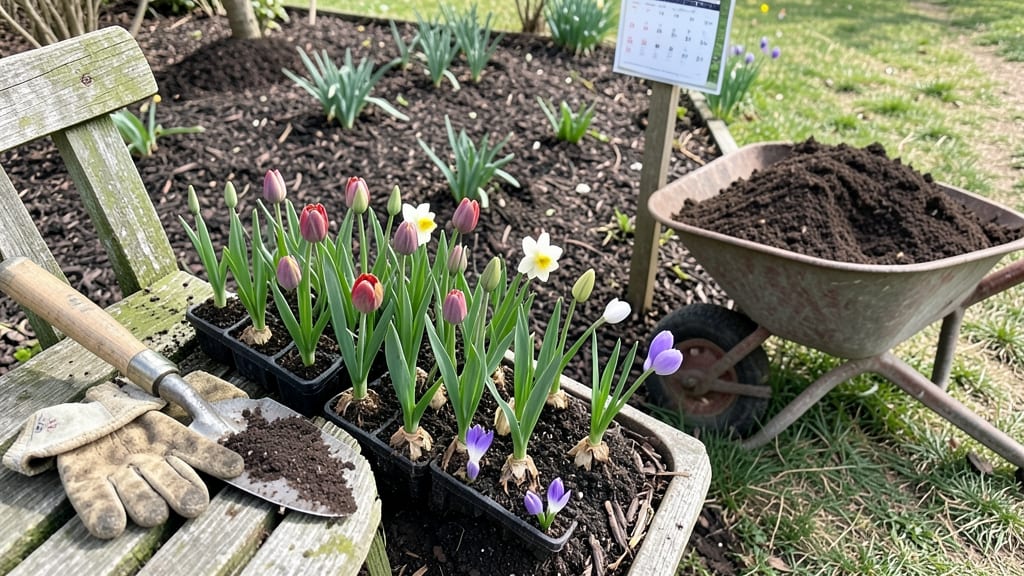
Planting your garden in Connecticut at the right time means the difference between a lush harvest and a sad, frost-nipped failure—especially when last frosts can swing from April 15 to May 1.
If you’ve ever rushed seeds into the ground only to watch them turn to mush overnight, you know how brutal Connecticut’s unpredictable frost dates can be. But here’s the good news: timing isn’t just about guessing—it’s about reading the zone, the crop, and the calendar like a pro.
In USDA Zones 6a-6b, cool-season crops like lettuce and peas can go in as early as March, while tomatoes and peppers need to wait until after the average last frost—usually mid-May.
That’s where the 10-day rule comes in: a foolproof way to avoid frost damage while maximizing your growing season.
Below, I break down the exact planting windows for every major crop, plus how to stretch your season with row covers and cold frames—so you can finally stop second-guessing and start growing with confidence.
Connecticut frost dates by zone: the exact timing for planting vegetables and flowers
Connecticut spans USDA Hardiness Zones 5b-6b, which means frost dates vary slightly depending on where you live. Most of the state experiences its last spring frost around April 15, while the first fall frost typically arrives October 31.
These dates create a 165-day frost-free growing season—perfect for planning your garden calendar.
Understanding these frost dates helps you avoid frost damage to tender plants. For example, tomatoes and peppers won’t tolerate frost, while kale and spinach thrive in cooler weather. The key is knowing when to plant each crop relative to these dates.
Here’s how to use frost dates with the 10-day rule: Wait 10 days after the last frost to plant warm-season crops like beans and squash. This buffer accounts for late frosts that can still occur in April.
For cool-season crops, start seeds 4-6 weeks before the last frost to ensure they mature before summer heat sets in.
| Zone | Last Spring Frost | First Fall Frost | Cool-Season Planting Window | Warm-Season Planting Window |
|---|---|---|---|---|
| 5b (Northeast CT) | April 20 | October 20 | March 15 - April 10 | May 10 - June 1 |
| 6a (Central CT) | April 15 | October 25 | March 20 - April 5 | May 1 - May 15 |
| 6b (Southwest CT) | April 10 | October 31 | March 25 - April 10 | April 25 - May 10 |
*Dates are averages; check local forecasts for real-time updates.
For cool-season crops like lettuce, spinach, and peas, start seeds indoors in late February or direct-sow outdoors in March. These plants handle light frosts and even prefer cooler weather.
In contrast, warm-season crops like tomatoes and peppers need to wait until after May 1 in most of Connecticut.
If you’re growing perennials or flowers, timing matters too. Plant daylilies and coneflowers in early spring (April) or early fall (September) for best establishment. Succession planting is also key: Sow radishes every 2 weeks in spring for continuous harvests.
Use row covers or cold frames to extend your growing season. These tools can push your last frost date back by 2-4 weeks in spring and delay the first frost in fall.
For example, you might safely plant cucumbers in early May with a row cover, even if frost is still a risk.
Don’t forget about microclimates in Connecticut. Urban areas like Hartford often warm up faster than rural zones, while valleys can stay cooler longer. Observe your garden’s specific conditions for 3-5 years to refine your planting schedule.
For extra precision, check the CT Agricultural Experiment Station’s frost data or use a frost calendar app like Old Farmer’s Almanac. These resources provide hyper-localized frost predictions based on historical trends.
Pro tip: Keep a gardening journal to track when you plant and when frost actually occurs in your yard. Over time, you’ll develop a customized planting schedule that beats the averages.
Best crops to plant in Connecticut by month: a month-by-month gardening calendar
Timing is everything in Connecticut gardening, where last spring frosts can arrive as late as May 15 and first fall frosts as early as October 15.
To maximize your harvest, I’ve organized this month-by-month guide by crop families—herbs, root vegetables, nightshades, and more—so you can plan with confidence. Row covers and cold frames are your best friends for extending seasons here.
For Connecticut’s USDA Zones 5b-6b, cool-season crops like kale and carrots thrive in early spring and fall, while tomatoes and peppers demand warmth. I’ll show you how to stretch your growing season with simple tools and smart scheduling. Ready to dive in?
🌱 Connecticut Planting Calendar by Month
- March: Start cool-season seeds indoors (lettuce, spinach) and plant hardy perennials like asparagus. Use row covers for early greens.
- April: Direct-sow radishes, peas, and onions. Transplant broccoli and cabbage 2-3 weeks before last frost.
- May: Plant warm-season crops (tomatoes, beans) after May 15 frost risk passes. Mulch to retain moisture.
- June: Sow cucumbers, squash, and basil. Succession plant lettuce for fall harvests.
- July: Direct-sow fall crops (kale, carrots) with row covers. Harvest early tomatoes before heat stress.
- August: Plant garlic for next year and spinach for late fall. Thin root vegetables to prevent crowding.
- September: Extend season with cold frames for greens and herbs. Plant cover crops (clover) to protect soil.
- October: Harvest late tomatoes and peppers before frost. Plant winter garlic and hardy greens.
In March, focus on indoor seed starting for herbs like basil and parsley, which need warmth to germinate. My trick? Use a seedling heat mat set to 75°F—it cuts germination time in half.
For outdoor prep, test your soil’s pH; Connecticut’s clay-heavy soil often needs compost to improve drainage.
By April, soil temperatures should hit 50°F for direct sowing. I always plant radishes first—they’re fast (30 days!) and signal when soil is warm enough for slower crops like carrots. Pro tip: Use straw mulch to keep soil moist during our unpredictable spring showers.
When May rolls in, it’s time for warm-season stars like tomatoes and peppers. Wait until nighttime temps stay above 55°F—my tomato plants in 2022 wilted when I planted too early! For extra protection, I use floating row covers until plants are 6 inches tall.
Don’t overlook June’s succession planting. While you’re harvesting early zucchini, sow more seeds for a continuous harvest. I plant bush beans every 2 weeks—this ensures fresh pods all summer. And if you love herbs, June is prime time to transplant rosemary and thyme outdoors.
As summer winds down, July and August are for fall prep. I direct-sow kale and carrots with row covers to shield them from rabbits and cabbage moths. For root vegetables, keep soil loose—Connecticut’s clay can cause forked carrots if compacted.
By September, extend your season with cold frames or low tunnels. I’ve kept spinach growing until November this way! And don’t forget garlic—plant cloves in September for next summer’s harvest. It’s a low-maintenance crop that rewards patience.
Finally, October is for harvesting and soil prep. Save seeds from your best tomatoes and peppers, and plant winter rye as a green manure to feed next year’s soil. My garden’s healthiest when I end the season with a cleanup and a mulch layer.