Planting
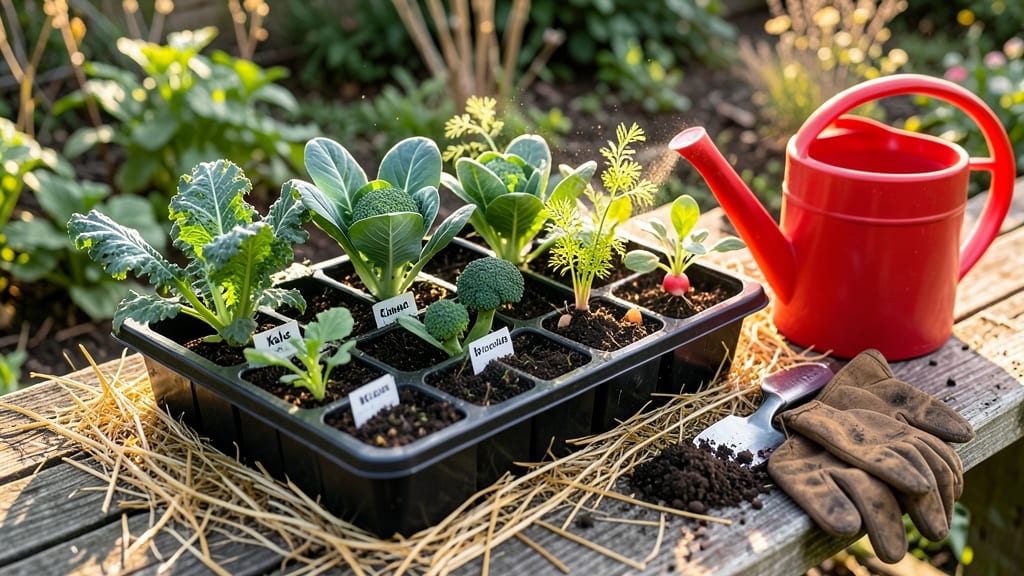
Planting a fall garden in Texas means timing it right—between the summer heat and the first frost, where cool-season crops thrive and summer’s intensity fades.
Texas gardeners know timing is everything—plant too early, and frost ruins your harvest; too late, and summer’s brutal heat steals your crops. But with the right fall planting schedule, you can grow thriving vegetables even in the Lone Star State’s unpredictable climate.
North Texas faces its first frost by mid-November, while South Texas can stretch into December, but both regions share one critical rule: soil must cool before seeds go in. That’s why late August to early September is the sweet spot for most gardeners.
Below, I break down the exact planting windows by region, the zero-frost crops that work best, and how to stretch your harvest well past Thanksgiving—without losing everything to a surprise freeze.
Texas fall planting dates by region: avoid frost & maximize yields
Texas' fall planting season is a golden opportunity for gardeners to grow fresh produce when summer heat subsides. But timing varies dramatically across the state—from North Texas' early frosts to South Texas' extended heat.
The key is planting heat-tolerant crops early enough to mature before first frost dates, while avoiding summer's lingering heat stress.
I've gardened across Texas for over a decade, and I've learned that microclimates matter. A hilltop in Dallas might freeze weeks before a valley in Austin.
That's why I've broken down planting windows by three distinct regions: North Texas (Zones 7-8), Central Texas (Zones 8-9), and South Texas (Zones 9-10), with specific last frost dates and ideal planting windows for each.
For all regions, late summer soil prep is critical. Test your soil's pH and amend with compost to ensure nutrients are available when plants need them most.
In North Texas, where first frosts can arrive as early as mid-October, I recommend planting fast-maturing crops like radishes (25 days) and bush beans (50 days) by mid-August to avoid heat stress.
Here's the comparison of planting windows by region, including last frost dates, ideal planting periods, and recommended crops for each zone:
| Region | USDA Zones | Avg. Last Frost | Ideal Planting Window | Key Crops | Microclimate Tip |
|---|---|---|---|---|---|
| North Texas | 7-8 | Oct 15-31 | Aug 15 - Sep 15 | Kale, Broccoli, Carrots, Radishes, Lettuce | Plant near south-facing walls to delay frost |
| Central Texas | 8-9 | Nov 1-15 | Aug 30 - Oct 1 | Spinach, Collards, Turnips, Green Onions, Cabbage | Use black plastic mulch to warm soil in early fall |
| South Texas | 9-10 | Dec 1-15 | Sep 15 - Oct 15 | Mustard Greens, Swiss Chard, Beets, Peas, Arugula | Extend season with shade cloth for heat-sensitive crops |
In Central Texas (Zones 8-9), where I garden in Austin, the window is wider—ideal planting spans from late August through early October. This gives you time to grow heat-tolerant greens like collards and turnips that can handle 90°F soil temperatures early in the season.
I've found that succession planting every 2 weeks ensures a continuous harvest until mid-December.
For South Texas gardeners (Zones 9-10), the real challenge isn't frost—it's lingering summer heat. The ideal window is September 15-October 15, when daytime temps drop below 90°F consistently.
Here, I focus on heat-tolerant varieties like 'Heat-Tolerant' Swiss chard and 'Southern Curled' collards, which can handle 85°F nights better than northern varieties.
One of my favorite fall gardening hacks is using row covers in North Texas to extend harvests. I've successfully grown spinach until Christmas by covering plants with floating row covers when nighttime temps drop below 40°F.
This simple trick adds 4-6 extra weeks to your growing season with minimal effort.
Remember that soil temperature matters just as much as air temperature. Use a soil thermometer to ensure seeds won't rot in hot soil. In North Texas, I wait until soil temps drop below 85°F before planting cool-season crops, while in
Best zero-frost fall vegetables for Texas gardens & how to grow them
Texas’ fall weather creates perfect conditions for growing cold-hardy vegetables that thrive even as temperatures dip. Unlike spring planting, fall offers cooler soil and longer daylight—ideal for crops that need 60-90 days to mature.
The key is selecting varieties that tolerate light frosts (down to 25°F) while avoiding heat-sensitive plants that bolt in summer’s lingering warmth.
My top picks for Texas fall gardens include broccoli, kale, carrots, and spinach, all of which handle our unpredictable fall weather better than summer crops. These vegetables also benefit from rich, well-draining soil and consistent moisture, which are easier to maintain in fall’s milder conditions.
Let’s dive into the specifics of planting and caring for these zero-frost heroes.
- 🌱 Broccoli: Plant 4-6 weeks before first frost (typically August-September in North Texas, September-October in South Texas). Needs full sun and 60-75 days to harvest. Space plants 18-24 inches apart for optimal growth.
- 🌿 Kale: A frost-sweetened favorite! Sow seeds 6-8 weeks before frost (late August in North Texas, September in South Texas). Thrives in partial shade and 50-60 days to maturity. Space 12-18 inches apart for bushy growth.
- 🥕 Carrots: Direct-sow 70-80 days before first frost (early to mid-August). Prefers loose, stone-free soil and full sun. Thin seedlings to 2-3 inches apart to prevent crowding.
- 🍃 Spinach: Plant 6-8 weeks before frost (late August in North Texas, September in South Texas). Grows best in cool weather and partial shade. Harvest in 30-40 days for baby leaves or 50 days for mature plants. Space 4-6 inches apart.
For all these crops, start by amending your soil with compost or aged manure to improve drainage and fertility. Texas’ clay-heavy soils can compact easily, so mix in organic matter to a depth of 6-12 inches.
Mulch with straw or shredded leaves to retain moisture and regulate soil temperature, especially as nights grow cooler.
Watering is critical in fall—deep, infrequent watering encourages strong root development. Aim for 1 inch of water per week, delivered in the early morning to prevent fungal diseases.
Avoid overhead watering before sunset, as damp foliage invites powdery mildew, a common issue with kale and spinach in humid Texas falls.
Harvest your fall crops before hard frosts (25°F or below) by picking broccoli florets when tight and kale leaves when tender. For carrots and spinach, harvest as needed—both taste sweeter after light frosts! With these tips, you’ll enjoy a bountiful, frost-free harvest well into winter. 🌱