
Planting
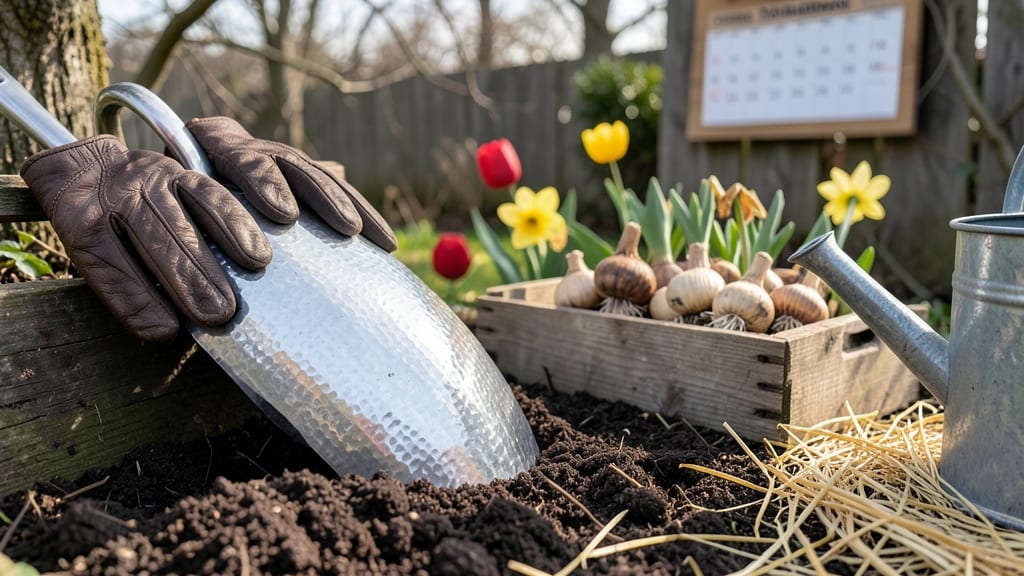
To plant bulbs in the garden at the right time means stronger roots and showstopping blooms next spring — and the moon’s phases play a bigger role than you might think.
Picture this: you tuck those 🌷 spring flowering bulbs into the soil, only to wake up to a garden full of floppy stems instead of vibrant blooms. That’s what happens when you ignore the lunar calendar and soil conditions.
The secret isn’t just about the date—it’s about syncing your planting with the moon’s energy for roots that dig deep and blooms that last.
For USDA Zone 6a, fall is your golden window—September through November—while spring plantings wait until March or April. But here’s the twist: planting during a waxing moon (when roots grow faster) can make all the difference between a lackluster garden and one that steals the show.
In this guide, I’ll break down the exact moon phases to target, how climate zones shift those timelines, and the 3 common mistakes that turn promising bulbs into flops. Ready to transform your garden?
Best moon phases for planting bulbs: root growth secrets
Planting bulbs isn't just about digging a hole—it's about syncing with the moon's gravitational pull to maximize root development and bloom strength. The lunar cycle affects how plants absorb moisture and nutrients, making certain phases ideal for bulbs like tulips and daffodils.
Understanding these rhythms can mean the difference between vibrant spring blooms and weak, stunted growth.
Bulbs store energy underground, and their roots grow best when the moon's energy aligns with their natural processes. The waning moon (after a full moon) is prime for planting because its gravitational pull helps roots draw up moisture and nutrients from deeper soil layers.
This phase creates stronger, more resilient root systems that translate to bigger blooms come spring.
For spring-flowering bulbs like tulips and hyacinths, aim to plant during the waning gibbous phase in fall. This timing ensures roots establish before winter dormancy. Conversely, summer-flowering bulbs (like dahlias) thrive when planted during the waxing moon in spring, as the moon's energy promotes upward growth and foliage development.
| Moon Phase | Best For | Planting Time | Root Effect |
|---|---|---|---|
| Waxing Gibbous | Summer bulbs (dahlias) | Spring planting | Upward growth |
| Waning Gibbous | Spring bulbs (tulips) | Fall planting | Deep root strength |
| First Quarter | All bulbs (transplanting) | Spring/Fall | Moderate growth |
| Full Moon | Avoid planting | N/A | Weak root uptake |
Moisture absorption is another critical factor. During the waning moon, soil moisture stays closer to the surface, which is perfect for bulbs that need consistent hydration during early root development. Planting during this phase helps prevent drought stress and ensures bulbs establish quickly before winter sets in.
If you're planting spring bulbs in fall, the waning crescent phase (just before the new moon) is ideal for regions with mild winters. This timing allows roots to grow slowly but steadily, avoiding the shock of sudden cold.
In colder climates, plant during the waning gibbous to give roots a head start before the ground freezes.
Avoid planting during the full moon or new moon, as these phases disrupt the natural balance of moisture and nutrients. The full moon's intense gravitational pull can cause water to pool around bulbs, leading to rot or fungal diseases.
Similarly, the new moon's weak gravitational pull may result in shallow root systems that struggle to anchor the bulb.
For fall-planted bulbs, focus on the waning moon phases between September and November. This window ensures bulbs have 6-8 weeks of root growth before winter dormancy.
In warmer climates (USDA zones 8-10), extend planting into early December, but always aim for the waning phases to support deep root penetration.
Spring planting of bulbs like gladiolus or canna lilies should align with the waxing moon to encourage rapid foliage growth. The increasing light and energy from the waxing phases help bulbs transition from dormancy to active growth, producing lush stems and vibrant blooms within weeks.
Pro tip: Check a lunar planting calendar for your specific region, as local soil conditions and microclimates can shift ideal planting windows by a week or two.
Pairing moon phases with soil temperature readings (aim for 60°F for fall planting) ensures your bulbs get the perfect start for a show-stopping spring display.
Remember, the moon's influence isn't magic—it's science. By aligning your planting with lunar cycles, you're working with nature's rhythms to create a garden where roots run deep and blooms reach for the sky. 🌱
Seasonal planting calendar: when to plant bulbs by climate zone
Planting bulbs at the right time ensures vibrant blooms next season, but the perfect window depends on your USDA climate zone. Whether you're planting spring-flowering bulbs like tulips or fall-planted varieties such as crocuses, timing matters.
Let’s break down the ideal months for each zone to help you plan your garden like a pro.
In cooler zones (3-6), fall planting is critical—bulbs need 6-8 weeks to establish roots before winter. Meanwhile, warmer zones (7-10) can extend planting into early winter or even spring, but with adjustments for soil temperatures.
Below, we’ll cover the best months for each zone, including early and late planting tips to avoid common mistakes.
🌱 Pro Tip: Always plant bulbs in well-draining soil and at a depth 3x the bulb’s height for best results.
For Zones 3-6, focus on fall planting for spring blooms. In Zones 7-10, you can plant bulbs even in winter, but avoid summer heat, which stresses bulbs. Always check your local last frost date—planting too early or late can lead to poor root development or rot.
If you miss the ideal window, don’t panic! Many bulbs tolerate late planting, especially in milder zones. Just ensure the soil is cool but workable (around 60°F) and mulch heavily to protect roots.
For example, in Zone 8, you can plant hyacinths in December if the ground isn’t frozen.
Remember, soil temperature is key. Use a soil thermometer to confirm it’s below 60°F for fall planting. This ensures bulbs won’t sprout too early and get damaged by frost. In warmer zones, wait until the rainy season to plant—natural moisture helps bulbs establish faster.
Now that you’ve got your timeline, mark your calendar and get those bulbs in the ground! With the right timing, you’ll be rewarded with a show-stopping spring display every year. Happy planting! 🌷