
Planting
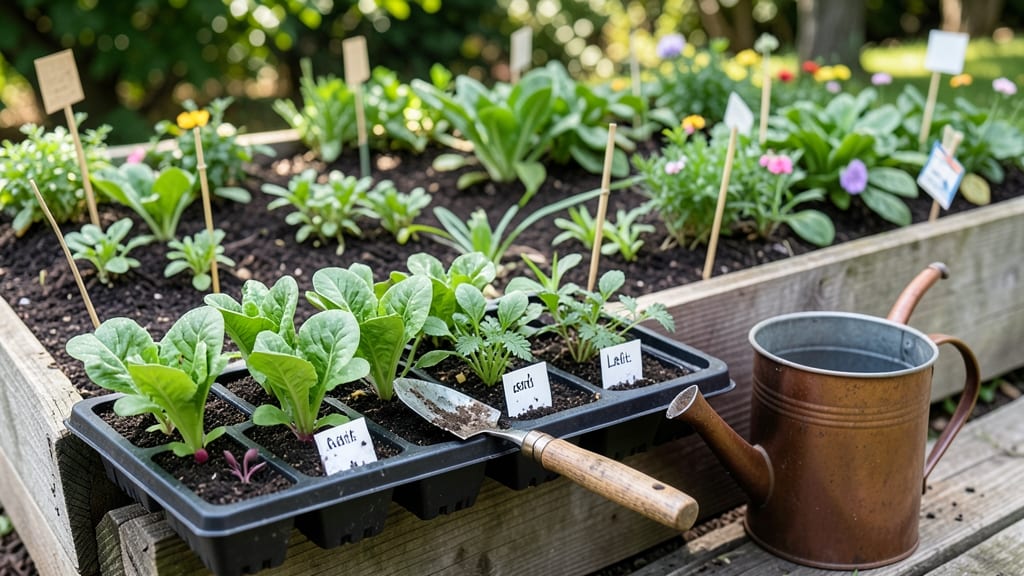
To plant a garden in your zone at the right time means the difference between a bountiful harvest and a season of disappointment — and the secret lies in knowing your frost-free dates.
Picture this: you’ve spent weeks nurturing seedlings indoors, only to rush them outside too early and watch them wilt under a surprise frost. Or worse, you wait too long, and the summer heat arrives before your tomatoes even set fruit.
Timing your garden planting wrong can mean wasted seeds, stunted growth, or even total crop failure—but knowing your frost-free dates and crop-specific windows transforms uncertainty into a thriving harvest.
In Zone 6a, where spring’s last frost typically arrives around April 15, the window for planting warm-season crops like tomatoes and peppers opens wide.
But cool-season greens like lettuce and spinach have their own ideal timing, often starting as early as March or even late February in milder microclimates.
This guide will break down exactly when to plant each crop, how to adjust for your local conditions, and the 5 biggest mistakes that sabotage even the most well-intentioned gardeners.
Whether you’re a beginner eager to grow your first 🌱 or a seasoned gardener fine-tuning your schedule, you’ll leave here with a clear timeline tailored to your zone—and the confidence to plant with precision.
How to determine your planting zone and frost-free dates
Knowing your USDA planting zone and frost-free dates is the foundation of successful gardening. These two factors determine when to plant cool-season crops like lettuce and spinach versus warm-season favorites like tomatoes and peppers.
Without this knowledge, you risk planting too early (and losing seedlings to frost) or too late (and missing the growing season entirely).
Your USDA zone (ranging from 1-14) reflects your area's average minimum winter temperatures, while frost-free dates mark the last spring frost and first fall frost. Together, they create a planting window that varies by crop type.
For example, cold-hardy kale can handle light frosts, while heat-loving basil wilts if planted before soil warms.
To find your zone, check the USDA Plant Hardiness Zone Map or use tools like the Plant Maps calculator. Enter your ZIP code to get precise last frost dates for your location—this tells you when it's safe to plant warm-season crops outdoors.
For instance, in Zone 7a, the average last frost is around April 15, but your exact date may vary by 1-2 weeks.
Once you know your zone, adjust planting times based on crop sensitivity. Cool-season crops (like broccoli and carrots) can go in 4-6 weeks before the last frost, while warm-season crops (like peppers and cucumbers) need to wait until 2 weeks after the last frost.
Fall planting follows the reverse logic: plant cool-season crops 6-8 weeks before the first frost.
| Planting Zone | Last Frost Date | First Frost Date | Cool-Season Window | Warm-Season Window |
|---|---|---|---|---|
| Zone 3-4 (Cold) | Mid-May | Mid-September | April 15–May 15 | June 1–July 15 |
| Zone 5-6 (Temperate) | April 15 | October 15 | March 15–April 30 | May 15–June 15 |
| Zone 7-8 (Warm) | March 15 | November 15 | February 15–March 31 | April 15–May 15 |
| Zone 9-10 (Hot) | January 15 | December 15 | January 1–February 28 | March 1–April 15 |
*Adjust dates based on your local microclimate (e.g., urban areas may be 1-2 weeks later).
For zone-specific precision, use the Plant Maps calculator (plantmaps.com). Enter your ZIP code to get hyper-local frost dates and a planting schedule tailored to your area. This tool accounts for microclimates—like urban heat islands or high-altitude gardens—where frost dates can shift by weeks.
For example, a Zone 7a garden in a valley might have a later last frost than one on a hillside.
Pro tip: Track your own frost dates for 3-5 years to refine the averages. Keep a garden journal noting when frost occurs in spring and fall. Over time, you’ll spot patterns (like a 10-year trend of earlier springs) and adjust planting times accordingly.
For instance, if your area’s last frost keeps shifting to April 1 instead of April 15, shift your warm-season crops back by a week.
Don’t forget about soil temperature, which often lags behind air temperature. Use a soil thermometer to confirm when soil reaches 50°F for cool-season crops or 60°F+ for warm-season crops.
Best planting times for vegetables by crop type (zone-specific guide)
Getting your planting timeline right is the difference between a bountiful harvest and wasted effort. Warm-season crops like tomatoes and peppers need soil temperatures above 60°F, while cool-season crops like spinach and peas thrive in 50-60°F ranges.
Your USDA zone determines when to plant—Zone 5 gardeners have 120 frost-free days, while Zone 9 enjoys 240+ days. Let’s break down the best windows for 15+ common crops.
For early spring planting, focus on hardy crops that tolerate light frosts. Late spring is prime for warm-season staples, and fall offers a second chance for cool-season veggies.
Adjust for microclimates—urban areas may heat up faster, while high-altitude gardens stay cooler. Use these zone-specific guidelines as your roadmap to success.
🌱
| Crop Type | Early Spring (Zones 5-7) | Late Spring (All Zones) | Summer (Zones 8-10) | Fall (Zones 3-6) |
|---|---|---|---|---|
| Tomatoes | ❄️ Avoid (too cold) | After last frost (soil 60°F+) | Year-round (Zones 8-10) | ❄️ Avoid (needs heat) |
| Peppers | ❄️ Avoid (too cold) | After last frost (soil 70°F+) | Start indoors (Zones 5-7) | ❄️ Avoid (needs warmth) |
| Lettuce | 4-6 weeks before last frost | Cool weather (50-60°F) | ❄️ Bolt risk (summer) | 6-8 weeks before first frost |
| Carrots | Direct sow early spring | Soil 50°F+ (successive plantings) | Shade cloth (summer) | 8-10 weeks before first frost |
| Green Beans | ❄️ Avoid (too cold) | After last frost (soil 60°F+) | Succession plant every 2 weeks | ❄️ Avoid (needs heat) |
| Spinach | 4-6 weeks before last frost | Cool weather (40-60°F) | ❄️ Bolt risk (summer) | 6-8 weeks before first frost |
| Cucumbers | ❄️ Avoid (too cold) | After last frost (soil 65°F+) | Trellis for support | ❄️ Avoid (needs heat) |
| ★★★★★4.6(14 reviews) |