
Planting
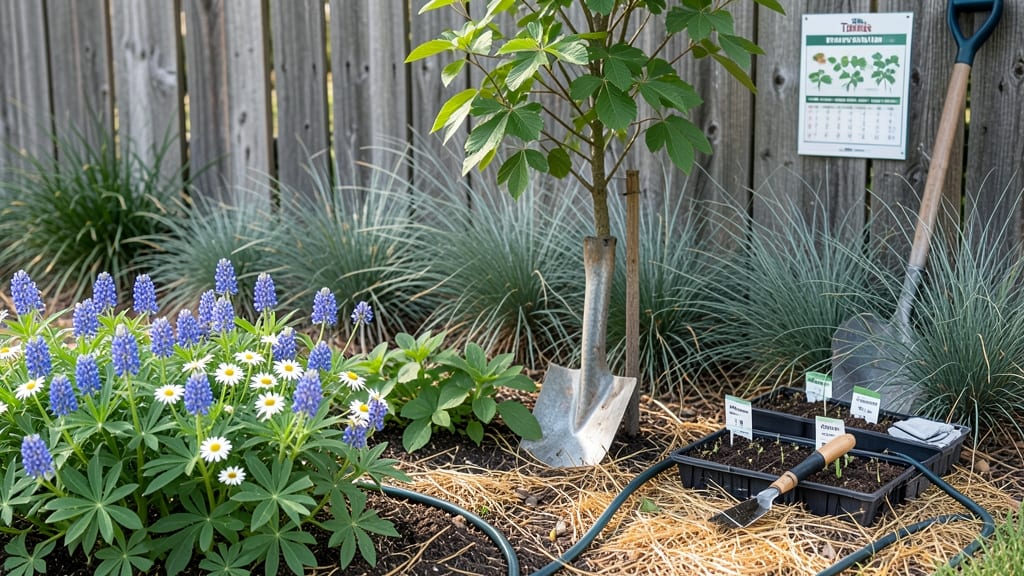
Planting a garden in Texas means timing it right to avoid frost or scorching heat—your best window is late February to early April for most of the state, with regional tweaks for zero-frost crops.
Texas gardeners know timing is everything—plant too early and face frost, too late and face scorching heat. But with the right heat-zone strategy, you can grow thriving zero-frost-risk crops year-round.
Whether you're in East Texas with its humid summers or West Texas’s arid climate, the key is matching crops to local heat zones and soil prep. Skip the guesswork with a month-by-month guide tailored to your area.
Here’s how to pick the perfect planting dates, extend your growing season, and choose the toughest, most productive Texas-friendly varieties for your garden.
Texas heat-zone planting calendar for zero-frost crops
Texas gardeners know that heat zones dictate when to plant zero-frost crops like sweet potatoes, collards, and okra. The Lone Star State spans four heat zones (A-D), each with unique planting windows.
Zone A (deep South) enjoys year-round growth, while Zone D (North Texas) has shorter seasons. Understanding these zones helps you avoid heat stress or early bolting in your garden.
I’ve broken down the month-by-month planting calendar for each zone, focusing on heat-tolerant vegetables that thrive without frost risk. Whether you’re in Houston (Zone A) or Amarillo (Zone D), this guide ensures your garden stays productive even during Texas’s brutal summers.
Let’s dive into the specifics so you can plant with confidence.
Key takeaway: Texas heat zones shift planting windows by 4-6 weeks. For example, okra can be direct-sown in March in Zone A but waits until May in Zone D. Always check your last frost date—though zero-frost crops don’t need it, timing still matters for soil warmth.
For Zone A gardeners, think of your garden as a year-round operation. I plant sweet potatoes in February and harvest by October, then replant for a second crop. Collards and mustard greens thrive in mild winters, while okra handles the summer heat.
The trick? Mulch heavily to retain moisture and cool roots during 100°F+ days.
In Zone B, where I garden in Austin, I split my planting into two seasons: spring (Feb-Apr) for tomatoes and eggplant, and fall (Aug-Oct) for peppers and squash.
The key is soil temperature—wait until the ground reaches 60°F+ in spring or 70°F+ in fall. Use a soil thermometer to avoid stunted growth.
Zone C gardeners (like those in San Antonio) face intense summer heat, so I focus on shade-tolerant crops like Malabar spinach and black-eyed peas. Plant peppers in March and squash in September to avoid bolting. Drip irrigation is a game-changer here—it delivers water directly to roots and reduces evaporative loss.
If you’re in Zone D (e.g., Lubbock), your window is narrower. I prioritize heat-loving crops like okra and sweet potatoes, planting them in April for a summer harvest. Cowpeas are another great choice—they fix nitrogen in the soil and tolerate poor conditions.
Avoid cool-season crops unless you’re using row covers.
Pro tip: Succession planting maximizes your harvest. In Zone A, I plant okra every 2 weeks from March to July for a continuous supply. In Zone D, I stagger sweet potato slips in April and May to extend the harvest into October.
This strategy works for beans, peppers, and even lettuce in cooler zones.
Don’t forget companion planting to boost yields. Pair okra with basil to repel pests, or plant collards
Best zero-frost vegetables for Texas gardens by season
Texas summers are brutal, but with the right heat-tolerant varieties, you can grow a thriving garden without frost worries. Focus on zero-frost crops like heirloom tomatoes, peppers, and melons that thrive in 90°F+ temperatures. These plants not only survive but produce abundantly when given proper care.
Spring planting starts as soon as soil reaches 60°F+, while fall crops can go in until October in most regions. The key is choosing Texas-adapted varieties that resist common pests like aphids and squash bugs. Let's dive into the best options for each season.
🌱 Spring Zero-Frost Stars
- Sweet Potatoes: Plant slips in April-May after last frost risk. Choose Beauregard or Centennial varieties for Texas heat.
- Okra: Direct sow March-June. Clemson Spineless thrives in Texas's long growing season.
- Southern Peas: Plant February-April. Purple Hull and Black-Eyed Peas love Texas's warm soil.
☀️ Summer Heat Champions
- Heirloom Tomatoes: Transplant March-May. Cherokee Purple and Brandywine handle Texas heat better than hybrids.
- Jalapeño Peppers: Sow seeds February-April. Big Jim produces 3x more peppers in Texas heat.
- Watermelons: Plant March-May. Sugar Baby matures in 75 days even in 100°F+ weather.
🍂 Fall Extenders
- Collard Greens: Sow July-September. Georgia Southern handles light frosts and thrives in fall.
- Butternut Squash: Plant June-July. Waltham stores well and matures before hard frosts.
- Cilantro: Sow August-September. Santo variety bolts slower in Texas's mild fall weather.
For maximum yields, pair these crops with companion plants. For example, plant basil near tomatoes to repel pests, or marigolds around peppers to deter nematodes. Always mulch with straw or wood chips to retain moisture during Texas's intense heat.
Remember to water deeply in the morning and avoid overhead sprinkling during peak sun hours. These zero-frost varieties will reward you with bountiful harvests all season long—no frost worries required!