
Planting
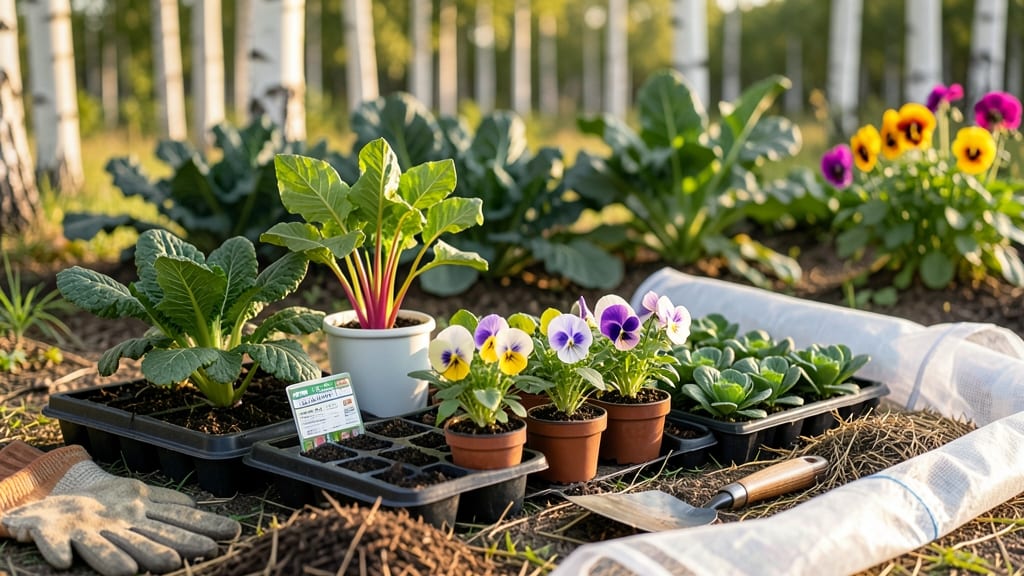
Planting a garden in North Dakota means timing is everything—your last frost typically arrives around May 15, and missing that window can leave you with wilted seedlings or no harvest at all.
North Dakota’s short growing season (Zone 3b-5a) demands precision: plant too early, and frost will nip your 🌱 General Garden Vegetables & Plants in the bud. Too late, and you’ll miss the 120-140 frost-free days that define your harvest window.
Get it right, though, and you’ll enjoy homegrown goodness from June through October.
Most gardeners here start cool-season crops like peas and spinach indoors by March, while warm-season favorites like tomatoes and peppers wait until after the last frost. But with late frosts possible even into June, knowing exactly when to plant—and which crops to prioritize—is the key to a bountiful garden.
In this guide, I’ll walk you through the ideal planting schedule for your region, from seed-starting indoors to transplanting outdoors, plus pro tips for extending your season with row covers and cold frames. Ready to make the most of North Dakota’s growing window?
North Dakota planting timeline by crop type: frost dates and hardiness zones explained
North Dakota’s Zone 4 climate means gardeners must work with a short 120-140 day frost-free season. The key to success? Understanding last frost dates and matching them to each crop’s needs.
In Fargo, Bismarck, and Minot, average last frost dates range from May 10-15, while first frosts typically arrive September 15-20. This tight window demands smart planning to grow everything from hardy kale to tender tomatoes.
Cool-season crops like peas, spinach, and potatoes thrive when planted 4-6 weeks before last frost, often as early as mid-April under row covers. Warm-season crops such as tomatoes, peppers, and cucumbers need to wait until after May 15 when soil temperatures reach 60°F+.
Perennials and bulbs have their own timing—planting in early spring (April) or fall (September) ensures they establish roots before winter.
Here’s how to align your planting with North Dakota’s climate using our region-specific frost date calculator. The table below breaks down optimal planting windows by crop type, including cool-season vegetables, warm-season favorites, and perennial plants that return year after year.
| Crop Type | Planting Window | Key Examples | Notes for ND |
|---|---|---|---|
| Cool-Season Vegetables | 4-6 weeks before last frost (Mid-April) | Peas, Spinach, Kale, Potatoes, Lettuce | Use row covers for early starts; harvest before bolting. |
| Warm-Season Vegetables | After last frost (Mid-May) | Tomatoes, Peppers, Cucumbers, Beans, Corn | Start seeds indoors 6-8 weeks before transplanting. |
| Perennials & Bulbs | Early spring (April) or fall (September) | Asparagus, Rhubarb, Tulips, Daylilies | Fall planting allows roots to establish before winter. |
| Fall Planting (Cool-Season) | 6-8 weeks before first frost (August) | Kale, Radishes, Spinach, Carrots | Extend harvests with row covers into October. |
For Fargo’s unique microclimate, gardeners often push warm-season crops like tomatoes a week earlier than Bismarck or Minot, thanks to its slightly warmer urban heat island effect. Always check your local Almanac frost dates—they can vary by 3-5 days between regions.
I recommend setting up a soil thermometer to confirm when temperatures hit 50°F for cool crops or 60°F for warm crops.
Succession planting is your secret weapon in North Dakota. For example, sow lettuce every 2 weeks from April to July to ensure continuous harvests. Similarly, beans and peas can be planted in two batches: one in early May and another in late June.
This strategy maximizes your short growing season and reduces waste.
Don’t overlook perennial plants like asparagus or rhubarb, which establish roots in spring but reward you for years. Plant crowns in early April when soil is workable but not frozen. Mulch heavily with straw or leaves to protect roots during winter’s harsh Zone 4 freezes.
If you’re new to North Dakota gardening, start with cold-hardy crops like kale, peas, and potatoes. These thrive even when temperatures dip below 40°F and are forgiving of late starts.
Once you’ve mastered these, graduate to tomatoes and peppers—but be prepared to use row covers or cold frames to extend their season.
Pro tip: Mark your calendar for June 1 as the “no-fail” date for transplanting warm-season crops. By then, soil temperatures are reliably warm enough, and the risk of frost has passed in most areas.
For peppers and eggplants, which need even more heat, wait until June 15 to avoid stunted growth.
Remember, North Dakota’s short growing season isn’t a limitation—it’s an opportunity to grow high-value crops efficiently. With the right timing, you can enjoy fresh peas in June, tomatoes in August, and fall kale until October. Happy planting! 🌱
5 Cold-hardy crops that thrive in North Dakota’s short season (and when to start them indoors)
North Dakota’s Zone 4 climate challenges even the most eager gardeners, but with the right cold-hardy crops, you can enjoy a bountiful harvest despite the short 120-day growing season.
These five high-yield vegetables tolerate frost, thrive in cool soil, and can be started indoors to maximize your harvest before the first frost hits around September 15. Let’s dive into the best choices and their precise planting schedules.
Timing is everything in ND gardens. Seed-starting indoors is often necessary to give these crops a head start, especially for varieties like broccoli and kale, which need 6-8 weeks of indoor growth before transplanting.
Meanwhile, peas and potatoes can often be sown directly into cold soil as early as mid-April. Understanding these windows will help you avoid common mistakes like overcrowding seedlings or planting too late for a meaningful harvest.
- Broccoli: Start indoors 6-8 weeks before last frost (April 15 for transplanting). Harvest 60-80 days later. Yield: 10-12 heads per plant.
- Kale: Sow indoors 4-6 weeks before last frost (April 1 for transplanting). Cut-and-come-again harvests extend until frost. Yield: 1-2 lbs per plant.
- Peas: Direct sow mid-April to early May (tolerates 32°F soil). Succession plant every 2 weeks for continuous harvests. Yield: 2-3 lbs per 10 ft row.
- Potatoes: Plant 2-3 weeks after last frost (May 1 in most of ND). Harvest 90-120 days later. Yield: 5-10 lbs per plant.
- Radishes: Direct sow early April or late August for fall harvests. Ready in 25-30 days. Yield: 1 lb per 10 sq ft.
For broccoli and kale, I recommend using grow lights if starting indoors before March 1, as natural daylight is limited. Place seedlings under lights for 14-16 hours daily to prevent leggy growth.
Harden off seedlings for 7-10 days before transplanting outdoors to acclimate them to ND’s wind and temperature swings. A common mistake is skipping hardening, which can shock plants and stunt growth.
When transplanting broccoli or kale, choose a partially shaded spot if your garden gets intense afternoon sun.
These crops prefer cool temperatures (50-75°F) and will bolt (flower prematurely) if stressed by heat. Succession planting is key for radishes and peas—sow new seeds every 2 weeks to ensure a steady supply.
For potatoes, plant seed potatoes in well-draining soil and hill soil around stems as they grow to prevent greening.
Don’t overlook pest prevention in ND’s short season. Use row covers to protect kale from cabbage moths and diatomaceous earth for potato beetles. Mulch heavily around potatoes to retain moisture and suppress weeds, which is especially important in ND’s dry summers.
With these strategies, you’ll extend your harvest window and make the most of every sunny day in your garden.
By mastering these cold-hardy crops and their precise planting schedules, you’ll turn North Dakota’s challenges into opportunities. Start indoors early, transplant carefully, and use succession planting to keep your kitchen stocked with fresh produce—even when the first frost is just around the corner. Happy gardening! 🌱