
Planting
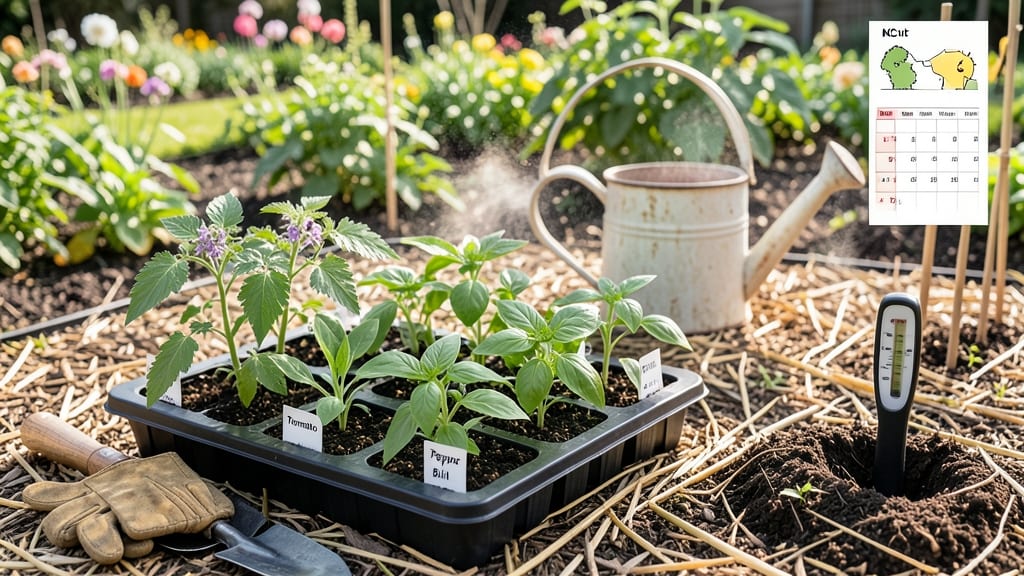
Planting a garden in North Carolina at the right time means the difference between a bountiful harvest and a sad, wilted disappointment.
North Carolina’s diverse climate means your garden’s success hinges on planting at the perfect time—miss the window, and frost or heat can ruin your crops before they thrive.
Coastal areas like Wilmington have a longer growing season, while the mountains near Asheville can still see frost in May. That’s why knowing your USDA zone and local frost dates is the key to timing everything from tomatoes to zucchini.
In this guide, I’ll break down the exact months to plant your garden in NC, from early spring greens to summer heat lovers, plus how to adjust for unpredictable weather.
NC frost-free dates by county: the exact timeline for planting vegetables
North Carolina spans 10 USDA hardiness zones, from the coastal plain's zone 8 to the mountains' zone 6. These zones dramatically impact your last frost dates and ideal planting windows.
For example, Carteret County (coastal) typically sees its last frost by February 15, while Haywood County (mountains) often waits until April 15. Understanding these differences ensures your warm-season crops like tomatoes and peppers thrive while cool-season greens avoid late frosts.
Your planting timeline also depends on whether you're growing cool-season crops (spinach, kale, broccoli) or warm-season crops (peppers, cucumbers, squash). Cool-season plants can often tolerate light frosts, while warm-season varieties require soil temperatures above 60°F.
I’ll break down the average frost-free dates for key NC regions and provide county-specific planting windows to help you plan like a pro.
Pro Tip: Always check the NC State Climate Office or local Cooperative Extension Service for real-time frost alerts—these dates are averages, and Mother Nature doesn’t always follow the script. For example, a late frost in March 2023 in Wake County delayed planting for many gardeners by 2-3 weeks.
| Region | USDA Zone | Avg. Last Frost | Cool-Season Planting | Warm-Season Planting |
|---|---|---|---|---|
| Coastal Plain (e.g., Carteret, Craven) | 8a-8b | Feb 15 - Mar 1 | Feb 1 - Mar 15 | Mar 20 - Apr 15 |
| Piedmont (e.g., Wake, Mecklenburg) | 7b-8a | Mar 15 - Apr 1 | Mar 1 - Apr 10 | Apr 15 - May 1 |
| Mountains (e.g., Haywood, Buncombe) | 6b-7a | Apr 15 - May 1 | Apr 1 - May 10 | May 15 - Jun 1 |
| Sandhills (e.g., Richmond, Scotland) | 7b-8a | Mar 20 - Apr 5 | Mar 10 - Apr 15 | Apr 10 - Apr 30 |
In the Coastal Plain, where zones 8a-8b dominate, you can start cool-season crops like broccoli and lettuce as early as February 1. By March 20, the soil is typically warm enough for warm-season staples like tomatoes and peppers.
I’ve planted sweet potatoes in March here with great success, but I always use black plastic mulch to warm the soil faster.
For Piedmont gardeners in zones 7b-8a, your window is slightly later. Spinach and peas can go in by March 1, but wait until April 15 for eggplants and okra.
I recommend straw mulch in early spring to protect tender seedlings from unpredictable late frosts. In 2022, a March 28 frost in Chatham County wiped out many early plantings.
Mountain regions like Haywood and Buncombe (zones 6b-7a) have the latest frost dates, often April 15-May 1. This means cool-season crops should wait until April 1, and warm-season plants like cucumbers won’t thrive until May 15.
I’ve used row covers to extend the season for kale and cabbage into October, but first frosts usually arrive by November 15.
If you’re in the Sandhills, your climate is a hybrid—warmer than the mountains but cooler than the coast. Cool-season crops can start by March 10, while warm-season plants like squash should wait until April 10.
I’ve found that drip irrigation helps maintain consistent soil moisture during these transitional periods. For herbs like basil, I plant them after the last frost and harvest aggressively to encourage bushier growth.
To maximize your harvest, consider succession planting. For example, in Wake County, you can plant bush beans every 2 weeks from April 15 through June 1 to enjoy a continuous supply. Similarly, lettuce can be sown every 3 weeks
Best planting months for NC crops: cool-season vs. warm-season schedules
North Carolina’s varied climate—from the coastal plains to the mountains—creates distinct planting windows for your garden. Cool-season crops like kale and spinach thrive in spring and fall, while tomatoes and peppers need the warmth of summer months.
Timing is everything, and missing the window can mean stunted growth or lost harvests.
To maximize your yield, I’ve broken down the ideal planting months for NC’s most popular crops. Whether you’re a beginner or a seasoned gardener, these monthly schedules will help you plan for success. Succession planting—adding new seeds every few weeks—can extend your harvest season and keep your kitchen stocked year-round.
🌱 NC Planting Calendar: Cool-Season vs. Warm-Season
- March-April: Plant cool-season crops like broccoli, cabbage, and peas. Soil temps should be 40-50°F.
- May-June: Warm up to warm-season plants—tomatoes, peppers, and cucumbers—when soil reaches 60°F+.
- July-August: Succession plant beans and lettuce for fall harvests. Avoid planting heat-sensitive crops.
- September-October: Transition back to cool-season greens (spinach, kale) and carrots as temps drop.
- November: Plant garlic and onions for next year’s harvest. Cover with mulch to protect from frost.
For herbs like basil and cilantro, timing matters too. Basil loves hot summer days but bolts in heat, while cilantro thrives in cool spring and fall weather. Plant basil after the last frost, and cilantro 6-8 weeks before your first frost date to avoid flowering too quickly.
Succession planting is my secret weapon for a continuous harvest. For example, sow lettuce every 2 weeks from spring to early summer, then again in late summer for a fall crop. This method ensures you’re always harvesting fresh greens instead of dealing with a glut all at once.
Don’t forget about soil preparation! Test your soil in early spring to check pH levels. Most vegetables prefer a 6.0-7.0 range. Amend with compost or aged manure before planting to give your crops a nutrient boost. Well-prepared soil means healthier plants and bigger yields.
If you’re in the mountains, your frost dates will be earlier than in the coastal plains. Adjust your planting schedule accordingly—cool-season crops may go in 2-3 weeks earlier in the Piedmont than in Wilmington. Always check your local USDA zone for the most accurate timing.