
Planting
Planting a garden in Iowa requires knowing exactly when to start seeds or set out transplants—because those 30-day windows between frost and harvest can make or break your crop.
Iowa gardeners know timing is everything—plant too early and risk frost damage, too late and miss peak harvests. With 99 counties and varying microclimates, knowing your exact frost-free dates can mean the difference between a thriving garden and a disappointing one.
This guide breaks down the 2024 planting calendar by zone, from the earliest spring starts in southwest Iowa to the later dates in the northeast. We’ll cover warm-season veggies like tomatoes and peppers, cool-season greens, and even perennials that thrive in Iowa’s short but sweet growing season.
Discover how to adjust for Iowa’s unpredictable weather, avoid common mistakes, and use local frost data to time your garden like a pro—so you’re harvesting instead of wondering "what if?"
Iowa’s 2024 frost-free dates by county: when to plant warm-season vegetables
Iowa’s warm-season vegetables like tomatoes, peppers, and corn thrive when planted after the last frost. But with 99 counties and varying microclimates, your planting window can shift by weeks.
Southwest Iowa (like Adair or Adams counties) often sees frost-free dates by April 20th, while northeast counties (like Clayton or Allamakee) may wait until May 10th. Understanding your county’s trends helps you avoid frost damage and maximize harvests.
For heat-loving crops, soil temperature matters just as much as air temperature. Wait until the ground reaches 50°F for corn and beans, or 60°F for tomatoes and peppers.
Use a soil thermometer to confirm—cold soil can stunt growth even if the air feels warm. Iowa State University Extension recommends tracking both frost dates and soil temps for accurate planning.
Here’s a snapshot of 2024 average frost-free dates for key Iowa regions, along with ideal planting windows for your warm-season favorites. Adjust based on your local microclimate—urban areas may warm faster than rural spots, while low-lying areas can stay colder longer.
| County Region | Avg. Last Frost | Plant Tomatoes/Peppers | Plant Corn/Beans | Notes |
|---|---|---|---|---|
| Adair, Adams, Cass | April 20–25 | May 1–5 | April 25–May 1 | Early zone; use row covers for late frosts |
| Story, Boone, Hamilton | April 25–May 2 | May 5–10 | May 1–5 | Central Iowa; monitor soil temps closely |
| Polk, Dallas, Warren | April 30–May 5 | May 10–15 | May 5–10 | Urban heat islands may warm soil faster |
| Cedar, Linn, Johnson | May 5–10 | May 15–20 | May 10–15 | Hilly areas stay colder; plant slopes last |
| Clayton, Allamakee, Fayette | May 10–15 | May 20–25 | May 15–20 | Northeast; shortest growing season |
In southwest Iowa, where counties like Adair and Adams lead the state, you can plant tomatoes and peppers as early as May 1st. But hold off until May 15th in northeast Iowa (e.g., Clayton or Allamakee counties) to avoid frost.
For corn and beans, which tolerate cooler soils, aim for April 25th–May 10th in early zones and May 10th–20th in late zones.
Pro tip: Use transplanting for tomatoes and peppers to shave weeks off your growing season. Start seeds indoors 6–8 weeks before your last frost date. For example, if your county’s frost-free date is May 5th, begin seeds around March 15th.
This gives seedlings a head start and extends your harvest window.
Don’t forget to harden off seedlings before transplanting. Acclimate them to outdoor conditions over 7–10 days by gradually increasing their time outside. Skip this step, and you risk shock or stunted growth.
Pair this with mulching to keep soil warm and retain moisture—critical for peppers, which wilt easily in dry conditions.
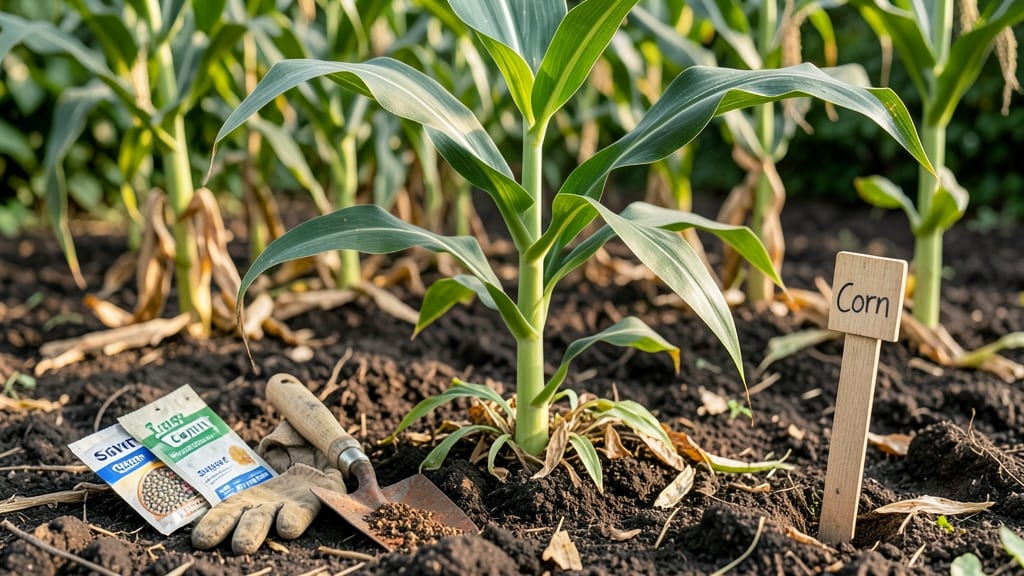
For corn, which needs consistent warmth, wait until soil temps hit 50°F for 2 weeks straight. Plant seeds 1 inch deep and 3 inches apart in rows 30 inches apart.
In Iowa’s shorter-season areas (like northeast counties), opt for short-season varieties like ‘Early Sunglow’ (65 days to maturity) or ‘Silver Queen’ (80 days). These mature before the first frost in October.
Track your local frost dates using the Iowa State University Extension’s climate maps or the National Weather Service’s frost prediction tools. These
How to adjust planting times for Iowa’s unpredictable weather patterns
Iowa’s unpredictable spring weather can turn a gardener’s carefully planned schedule into chaos. One week you’re dealing with late snow flurries, the next with unseasonably warm spells that trick you into planting too early.
The key to success lies in flexibility—using tools like row covers, cold frames, and historical climate data to extend your growing season safely.
Iowa State University’s climate records show that average last frost dates can vary by two weeks or more between northern and southern counties. For example, southwest Iowa often sees frost-free conditions by April 20th, while northeast Iowa may not reach that milestone until May 5th.
This variability means rigid planting dates are a recipe for disappointment.
For cool-season crops like lettuce and spinach, I recommend starting seeds indoors 6-8 weeks before your average last frost date. This gives seedlings a head start and allows you to transplant them as soon as the soil is workable.
If you’re planting directly outdoors, use seedling trays under row covers to jumpstart growth in chilly springs.
Don’t forget about late-season adjustments. Even if your area typically sees frost by October 15th, a cold frame can keep hardy greens like Swiss chard producing until November. Place the frame in a south-facing location to maximize sunlight exposure during shorter days.
Iowa’s variable weather patterns demand a flexible approach. By combining historical data, protective tools, and cold-hardy varieties, you can turn Iowa’s unpredictable climate into an advantage—producing earlier harvests and longer growing seasons than you ever thought possible.