
Planting
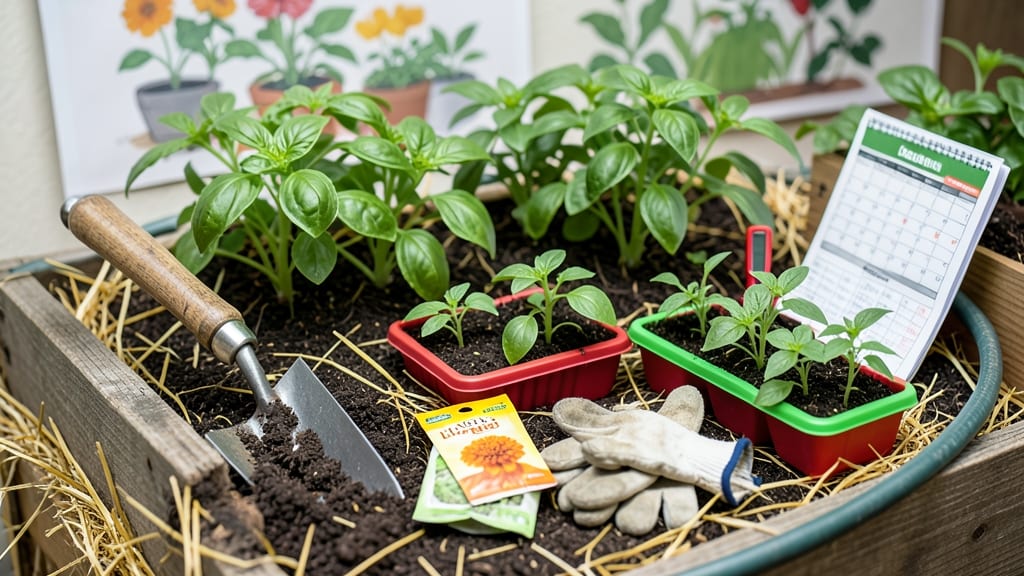
Planting a garden in Indiana at the right time means the difference between a thriving harvest and a frost-nipped disappointment.
Indiana’s unpredictable spring weather can turn your gardening dreams into a guessing game—but knowing the exact frost-free dates by crop type means you’ll plant at the perfect time for a bountiful harvest.
Whether you’re sowing cool-season greens like spinach or waiting for the soil to warm up for tomatoes, timing is everything. The wrong window leaves you scrambling to protect tender seedlings from late frosts, while the right one sets you up for steady growth all season.
Below, I break down Indiana’s regional frost dates, the best crops to plant each month, and how to use soil temperature as your secret weapon for a garden that outperforms the neighbors’.
Indiana’s frost-free dates by region: when to plant cool vs warm season crops
Indiana’s frost-free dates vary dramatically between its northern and southern regions, creating a 3-week difference in planting windows. Northern Indiana (like Gary and Fort Wayne) typically sees its last frost around May 10-15, while southern Indiana (like Evansville and Louisville) warms up by April 25-May 5.
These dates dictate whether you’re planting cool-season crops like lettuce or warm-season crops like tomatoes.
For gardeners in USDA Zones 5b-6a, this means lettuce and peas can go in the ground as early as March 20-April 1 in southern Indiana, while northern gardeners should wait until April 15-May 1 to avoid frost damage. Tomatoes and peppers, however, need soil temperatures above 60°F, which usually happens 2-3 weeks after the last frost date.
Here’s how to use these dates to plan your garden: Start cool-season crops 4-6 weeks before your last frost, and wait until 2 weeks after the last frost for warm-season crops.
For example, if your last frost is May 10, plant tomatoes around May 24 to ensure they thrive.
| Region | Avg. Last Frost | Cool-Season Start | Warm-Season Start | Example Crops |
|---|---|---|---|---|
| Northern Indiana (Zone 5b) | May 10-15 | April 15-May 1 | May 25-June 1 | Lettuce, Peas, Spinach, Kale |
| Southern Indiana (Zone 6a) | April 25-May 5 | March 20-April 1 | May 10-May 20 | Tomatoes, Peppers, Cucumbers, Basil |
| Central Indiana (Zone 5b-6a) | April 30-May 10 | April 1-May 1 | May 15-May 25 | Carrots, Beans, Onions, Squash |
If you’re in a transition zone (like Indianapolis or Muncie), aim for May 1 as your cutoff for cool-season crops. For warm-season crops, wait until soil temperatures consistently stay above 60°F—this can be 1-2 weeks after the last frost date, depending on your microclimate.
Pro tip: Use row covers or a cold frame to extend your cool-season planting by 2-3 weeks in northern Indiana. This lets you grow spinach and kale even if frost lingers into early May. Just remove the covers when plants bolt or flower.
For warm-season crops, tomatoes and peppers are especially sensitive to cold soil. If you’re eager to plant early, start them indoors 6-8 weeks before your last frost date. Transplant them outdoors only after nighttime temperatures stay above 55°F.
Adjust for late frost years by monitoring local weather forecasts and using frost-sensitive plants like marigolds or basil as early warning systems. If they show frost damage, cover your garden beds immediately.
Conversely, if spring warms up 2 weeks early, you can plant warm-season crops sooner—but watch for heatwaves, which can stress young seedlings.
Don’t forget about fall planting! Many cool-season crops thrive when planted in August-September for a late harvest. In northern Indiana, aim for August 15-September 1, while southern Indiana gardeners can extend this window until September 15. This strategy gives you fresh gre
Best crops to plant in Indiana’s spring, summer, and fall: month-by-month schedule
Indiana gardeners know timing is everything—especially when unpredictable spring frosts can wipe out tender seedlings overnight. The key to success? Planting cool-season crops early and warm-season crops after the last frost, while also leveraging Indiana’s extended growing season with fall plantings.
My month-by-month schedule breaks down the best crops for each season, plus pro tips to push your harvests longer.
Start with early spring greens like spinach and peas in March, then transition to tomatoes and peppers after Memorial Day. Don’t forget fall crops like kale and carrots that thrive in cooler temps.
With this schedule, you’ll maximize your garden’s potential while avoiding common mistakes like planting too early or too late.
- March-April: Plant cool-season crops like peas, spinach, and lettuce. Use row covers to protect from late frosts.
- May (after last frost): Start warm-season veggies—tomatoes, peppers, and beans—once soil hits 60°F.
- June-July: Direct-sow heat-loving crops like okra and sweet potatoes. Mulch to retain moisture.
- August-September: Plant fall frost-tolerant crops such as kale, carrots, and radishes for a late harvest.
- October (northern IN): Extend the season with cold frames or low tunnels for hardy greens.
For northern Indiana, aim to plant warm-season crops by May 15th to avoid late frosts, while southern Indiana gardeners can start as early as April 20th. Always check your local frost-free date—typically April 15th in the north and March 30th in the south—but be ready to adjust.
I’ve learned the hard way that even a 5-day delay can mean the difference between a thriving tomato plant and a sad, frost-nipped seedling.
Extend your harvests with season-extending tricks. Use black plastic mulch in early spring to warm the soil faster, or try straw bales to create microclimates for delicate crops. In fall, row covers can protect greens until the first hard frost, often pushing your harvest into November.
My favorite fall crop? Garlic—plant it in October, and you’ll have harvests the following summer!
Common mistakes to avoid: planting warm-season crops too early (they’ll bolt), skipping soil prep (amend with compost before planting), or ignoring watering needs during Indiana’s dry summers.
I once lost an entire cucumber patch because I didn’t mulch—now I always cover soil to retain moisture and suppress weeds. Water deeply in the morning to prevent fungal diseases, and always rotate crops yearly to keep soil healthy.
With this schedule, you’ll turn Indiana’s variable climate into an advantage. Start with cool-season crops, transition to heat-lovers in summer, and end with frost-hardy fall crops for a garden that gives all season long. Happy planting! 🌱