
Planting
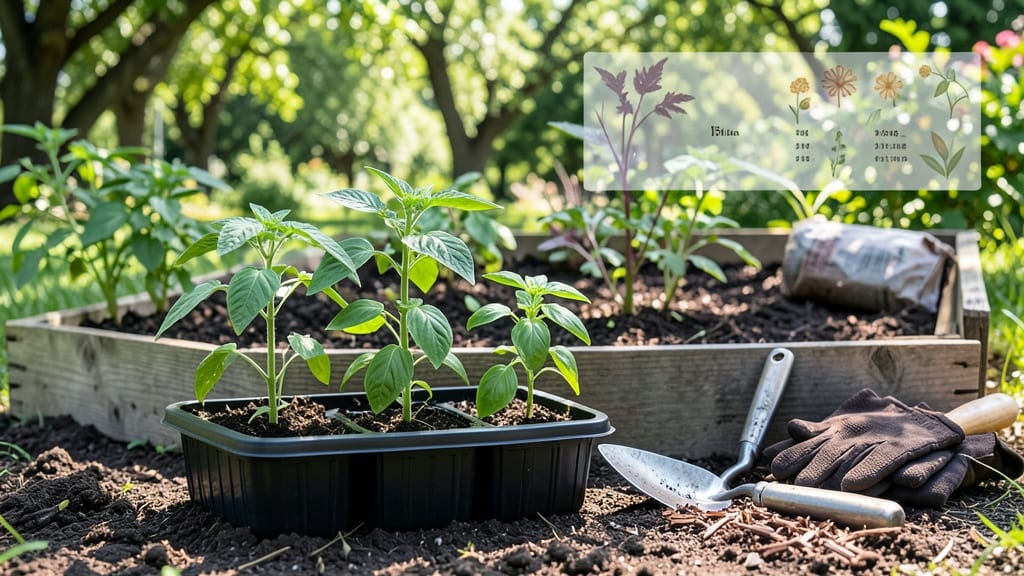
Planting a garden in Georgia at the right time means the difference between a bumper crop and a sad, wilted mess 🌱 — and the clock starts ticking after your last frost date, which varies wildly from north to south.
Picture this: You’ve prepped the soil, ordered seeds, and cleared your schedule for spring planting—only to wake up to a 32°F morning in early March. That’s the reality for gardeners in North Georgia’s 7a zone, where frost can linger until mid-April.
Meanwhile, in Savannah, the ground is already warm enough for tomatoes by February.
Timing isn’t just about avoiding frost—it’s about matching crops to Georgia’s 180–240 frost-free days. Cool-season greens like spinach and broccoli thrive when planted 4–6 weeks before the last frost, while heat-lovers like peppers and squash need to wait until soil temps hit 60°F.
Below, I break down the exact planting windows by crop, region, and microclimate—plus how to adjust for Georgia’s unpredictable weather. No more guessing, just peak harvests all season long.
Georgia’s frost-free dates by region: when to start planting
Georgia’s frost-free dates vary dramatically across its five USDA hardiness zones (7a through 8b), creating distinct planting windows for your garden.
In Zone 7a (northwest mountains), like Dahlonega, last frosts typically arrive around March 15, while Zone 8b (coastal areas like Savannah) enjoys frost-free conditions by February 15.
Understanding these regional differences ensures you plant cool-season crops like broccoli and warm-season staples like tomatoes at the perfect time.
For cool-season crops, I recommend starting seeds indoors 4-6 weeks before your last frost date. In Atlanta (Zone 7b), that means sowing spinach and kale by early February.
Meanwhile, warm-season crops like peppers and cucumbers should wait until 2-3 weeks after your last frost—typically late March to early April in most of Georgia. These timing differences prevent frost damage while maximizing your growing season.
Microclimates further complicate timing. A south-facing slope in Augusta (Zone 8a) might warm up 1-2 weeks earlier than a low-lying area, allowing earlier planting of heat-loving crops. Conversely, valleys and low spots can experience late frosts even after your region’s average date.
Always monitor local forecasts and use frost cloth for sensitive seedlings during April’s unpredictable cold snaps.
Last frost dates aren’t just about spring planting—they also dictate your fall planting window. In Zone 7a, first frosts arrive around November 15, giving you until early October to sow cool-season crops like radishes and lettuce. Meanwhile, Zone 8b gardeners can extend their season until December 15, perfect for overwintering greens or winter squash.
Here’s how Georgia’s regions compare for planting:
| Region & City | USDA Zone | Last Frost Date | First Frost Date | Cool-Season Planting Window | Warm-Season Planting Window |
|---|---|---|---|---|---|
| North GA (Dahlonega) | 7a | March 15 | November 15 | Feb 1 - Apr 15 | Apr 15 - May 15 |
| Central GA (Atlanta) | 7b | March 1 | November 1 | Jan 15 - Apr 1 | Mar 15 - Apr 30 |
| South GA (Augusta) | 8a | February 15 | October 31 | Jan 1 - Mar 15 | Feb 28 - Apr 15 |
| Coastal GA (Savannah) | 8b | February 1 | December 15 | Dec 1 - Feb 28 | Feb 15 - Apr 1 |
For warm-season crops, I always recommend waiting until soil temperatures reach 60°F or higher—a critical threshold for tomatoes, peppers, and eggplants. Use a soil thermometer to confirm readiness, especially in Zone 7a where cooler soils can delay germination.
In Savannah’s Zone 8b, you can start warm-season crops as early as February 15, while Atlanta gardeners should wait until March 15 to avoid stunted growth.
Don’t overlook fall planting—Georgia’s mild winters allow for
Best planting schedule for Georgia’s top 10 crops
Georgia’s long growing season lets you grow tomatoes, okra, and sweet potatoes with ease—but timing matters. Start cool-season crops like lettuce and spinach in February, while warm-season favorites like peppers and squash wait until April.
I’ve broken down the best months for each crop, including direct-sow vs. transplant tips to maximize your harvest.
Forget about struggling with finicky crops—Georgia’s heat actually thrives with okra and sweet potatoes, which are often overlooked but produce bountifully. Meanwhile, tomatoes and peppers need a head start indoors or in greenhouses to beat the summer heat.
Below, you’ll find a month-by-month schedule tailored to Georgia’s climate, so you can plan for succession planting and enjoy fresh produce year-round.
| Crop | Best Planting Time | Direct Sow or Transplant | Succession Planting Tip |
|---|---|---|---|
| Tomatoes | March–April (after last frost) | Transplant seedlings | Plant every 2 weeks until June |
| Peppers | March–April (indoors) or May (outdoors) | Transplant seedlings | Avoid late summer planting—heat stress reduces yield |
| Squash | April–May | Direct sow after soil warms | Plant in hills for better airflow |
| Lettuce | February–March or August–September | Direct sow | Sow every 2 weeks for continuous harvest |
| Okra | April–June | Direct sow after last frost | Heat-loving; thrives in summer’s intensity |
| Sweet Potatoes | April–May | Slip planting (root cuttings) | Long season; harvest before first frost |
| Berries (Strawberries) | October–November (fall) or February (spring) | Transplant bare-root plants | Mulch heavily to protect from winter chill |
| Green Beans | March–April or July–August | Direct sow | Plant in rows for easy picking |
| Cucumbers | April–May | Direct sow or transplant | Trellis for better air circulation |
| Spinach | February–March or August–September | Direct sow | Avoid summer heat; prefers cooler temps |
My top tip for Georgia gardeners? Su