
Planting
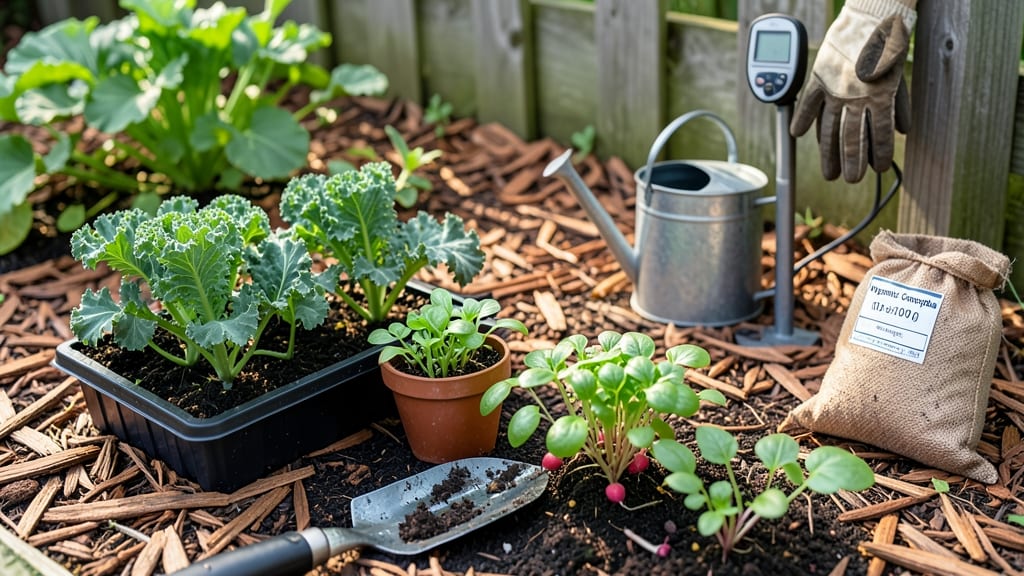
Planting a fall garden in Houston, Texas starts late August through early October—a narrow window where heat still lingers but frost looms just months away.
Houston’s scorching summers and unpredictable frost make timing your fall garden a high-stakes game—but planting the right crops at the right time can mean the difference between a bountiful harvest and a wasted season.
With Zone 9a’s mild winters, you’ve got time to grow heat-tolerant veggies like sweet potatoes and collards, but rushing the schedule risks stunted plants before the first frost hits around mid-December.
Below, I’ll break down the exact planting dates, soil prep secrets, and watering tricks to keep your 🥕 fall garden thriving until the holidays—or until the first freeze.
Houston’s fall planting timeline: exact dates for heat-tolerant crops
Timing your fall garden in Houston requires precision—especially with our USDA Zone 9a climate where summer heat lingers and frost arrives unpredictably around mid-December. The key is planting heat-tolerant crops early enough for maturity before temperatures dip below 40°F at night.
My experience shows that starting late August gives most vegetables enough time to thrive before the first frost.
Houston’s fall planting window spans 8 weeks, from mid-August to early October, but the exact timing depends on whether you’re direct sowing seeds or transplanting seedlings.
For example, okra and sweet potatoes can handle Houston’s late-summer heat, while kale and spinach need cooler soil temperatures to germinate successfully.
Soil temperature is the deciding factor—most fall crops prefer 60-75°F soil for optimal germination. Use a soil thermometer to check before planting; if temperatures exceed 85°F, opt for shade cloth or wait until evening to sow seeds.
My go-to rule is to plant when daytime highs drop below 90°F consistently.
Here’s the critical timeline for Houston’s fall garden, broken down by planting method and crop type, to maximize your harvest before winter sets in:
| Planting Method | Ideal Planting Window | Soil Temp Requirement | Heat-Tolerant Crops | Frost Risk |
|---|---|---|---|---|
| Direct Sowing | Late August - Early September | 60-75°F | Okra, Sweet Potatoes, Southern Peas | Low (plant early) |
| Transplanting Seedlings | Mid-September - Early October | 65-80°F | Collards, Kale, Broccoli, Carrots | Moderate (plant late Sept) |
| Succession Planting | Late August - Mid-October | 60-70°F | Lettuce, Radishes, Turnips | High (plant in stages) |
| Container Gardening | Early September - Early October | 65-75°F | Bush Beans, Swiss Chard, Peppers | Low (containers warm faster) |
For direct sowing, aim for late August to give heat-loving crops like okra and sweet potatoes enough time to mature before temperatures drop. These plants thrive in 90°F+ heat but bolt or struggle if planted too late.
I’ve found that sowing okra seeds by August 20th ensures a harvest before frost.
If you’re transplanting seedlings, mid-September is your sweet spot. This timing allows cool-season crops like broccoli and kale to establish roots before nighttime temperatures dip. I always harden off seedlings for 7-10 days before transplanting to reduce shock—especially critical in Houston’s humid climate.
Houston’s first frost date typically lands around December 15th, but it can vary by 2-3 weeks depending on the year. To hedge your bets, plant fast-maturing varieties (e.g., bush beans in 50-60 days) and slow growers (e.g., collards in 60-80 days) in staggered batches.
My fail-proof strategy is to plant 50% of seeds by August 30th and the rest by September 15th.
Don’t overlook soil preparation—Houston’s clay-heavy soil can become compacted and waterlogged after summer rains. Amend with 2-3 inches of compost and organic matter like leaf mold to improve drainage.
I also recommend mulching with straw to retain moisture and regulate soil temperature, which is especially helpful during Houston’s unpredictable fall weather swings.
Protecting your fall garden from Houston’s erratic frost is easier than you think. Use row covers or lightweight frost blankets to shield tender crops like lettuce and spinach when nighttime temps drop below 45°F.
I’ve successfully extended my harvest by 2-3 weeks using remay fabric—just secure it tightly to avoid heat buildup during the day.
Finally, keep a planting journal to track what works (and what doesn’t) in your Houston garden. Note the exact dates you planted, crop performance, and any weather anomalies.
Over the years, my journal has helped me refine my fall planting schedule to align with Houston’s microclimates—whether you’re in a urban heat island
Top 7 heat-resistant vegetables that thrive in Houston’s fall garden
Houston’s late summer heat can linger well into September, making it tricky to find vegetables that won’t bolt or wilt before producing. The key is selecting heat-tolerant varieties that mature quickly and handle Houston’s 90°F+ temperatures while avoiding early frost damage.
These seven crops are my go-to choices for a productive fall garden in Houston’s USDA Zone 9a—each chosen for their resilience and ability to deliver harvests before December’s first frost.
For best results, start seeds indoors or purchase transplants by mid-August to give them time to establish roots before soil temperatures drop. Most of these vegetables thrive in well-draining, slightly acidic soil (pH 6.0–7.0) and benefit from a 2–3 inch layer of mulch to retain moisture and regulate temperature.
I always amend my Houston clay soil with compost to improve drainage—this makes a huge difference in heat-stressed plants.
🌱 Heat-Resistant Fall Vegetables for Houston
-
1. Okra
🌡️ Thrives in 90°F+ | 🌱 Direct sow 6–8 weeks before first frost | 📏 18–24" spacing -
2. Sweet Potatoes
🌡️ Loves heat | 🌱 Plant slips in late August | 📏 12–18" spacing -
3. Collard Greens
🌡️ Tolerates 85°F+ | 🌱 Transplant in September | 📏 12–18" spacing -
4. Southern Peas (Cowpeas)
🌡️ Heat-loving | 🌱 Direct sow until October | 📏 4–6" spacing -
5. Malabar Spinach
🌡️ Thrives in humidity | 🌱 Transplant in September | 📏 12–18" spacing -
6. Amaranth
🌡️ Drought-tolerant | 🌱 Direct sow until October | 📏 12–18" spacing -
7. Black-Eyed Peas
🌡️ Heat-resistant | 🌱 Plant in September | 📏 4–6" spacing
Pro Tip: Pair okra with sweet potatoes to improve soil health, and interplant collards with amaranth for natural pest control.
Okra is my top performer—it actually bolts less in heat than other crops and continues producing pods well into November. I plant Clemson Spineless variety because it’s disease-resistant and handles Houston’s humidity.
For sweet potatoes, I opt for Beauregard slips, which mature in about 90 days and store well for winter. Both thrive in full sun (6+ hours daily), but okra can handle partial shade if afternoon temps exceed 95°F.
Collard greens and Malabar spinach are my leafy green staples for fall. They tolerate light frosts and even sweeten up after a 28°F night, making them ideal for Houston’s December harvests. I harvest outer leaves first to encourage regrowth, and they’re less prone to pests than lettuce.
For Southern peas, I choose Purple Hull because it’s drought-tolerant and fixes nitrogen in the soil—a bonus for subsequent plantings.
Companion planting is a game-changer in Houston’s fall garden. I always interplant okra with basil to repel pests naturally, while collards and amaranth grow well together because their root systems complement each other. For black-eyed peas, I add marigolds around the perimeter to deter aphids.
Water deeply in the morning to prevent fungal diseases, and avoid overhead watering after 6 PM to let foliage dry quickly.
If you’re short on space, consider container gardening for heat-tolerant crops like Malabar spinach or amaranth. Use 5-gallon pots with drainage holes and a lightweight potting mix. I’ve had great success growing okra in 7-gallon containers on my balcony, harvesting pods right up to the first frost.
Just remember to fertilize lightly every 4–6 weeks with a balanced 10-10-10 mix to keep these heavy feeders producing.