
Picking
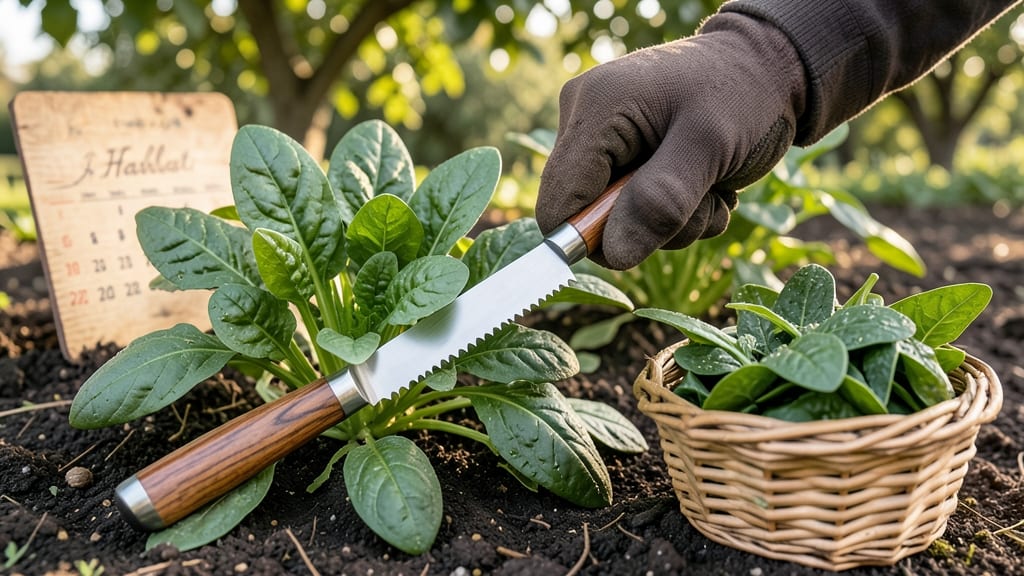
Picking spinach from your garden at the right time ensures tender, flavorful leaves that keep coming back—so knowing when to harvest is the key to a steady supply of 🥬 fresh greens.
Harvesting too early leaves you with tiny leaves, but waiting too long turns your spinach bitter and tough. The perfect moment arrives when leaves reach 3–6 inches and are deep green, crisp, and free of flowering stems.
In Zone 6a, aim for late spring or early fall when temperatures stay mild—this is when spinach thrives without bolting. A quick check of leaf size and texture is all you need to decide whether it’s time to snip.
Below, I’ll walk you through the ideal harvest schedule, how to encourage regrowth, and what to watch for to keep your spinach productive all season long.


How to determine the perfect spinach picking time by leaf size and growth stage
Knowing when to pick spinach from your garden transforms your harvest from bland to bursting with flavor. The key lies in watching leaf size and growth stages—two factors that directly impact taste and regrowth potential.
Baby leaves and mature plants have very different ideal harvest times, and missing these cues can mean the difference between crisp, tender greens and tough, bitter foliage.
Spinach thrives when harvested at the right maturity stage. For baby leaves, you’ll want to pick when they’re just 3-4 inches long, while full-sized leaves should reach 5-6 inches before harvesting.
The color shift from pale to deep green is another telltale sign—this indicates peak nutrient density and flavor. Ignoring these visual cues often leads to over-mature spinach that bolts (sends up flower stalks) or develops a woody texture.
Here’s a quick reference to help you visualize the perfect spinach picking time based on leaf characteristics and plant age:
| Growth Stage | Leaf Size | Color & Texture | Plant Age | Harvest Tip |
|---|---|---|---|---|
| Baby Leaves | 3–4 inches | Bright green, tender | 4–6 weeks | Harvest outer leaves first |
| Mature Leaves | 5–6 inches | Deep green, crisp | 6–8 weeks | Cut entire outer leaves |
| Over-Mature | 7+ inches | Yellowing, tough | 8+ weeks | Avoid—bolting imminent |
For baby spinach leaves, focus on harvesting when they’re 3-4 inches long. These tender young leaves are perfect for salads and offer the sweetest flavor. Use clean scissors or your fingers to pluck individual leaves from the outer edges of the plant.
This method encourages continuous regrowth while keeping the center leaves intact for future harvests. I’ve found that picking in the morning yields the freshest leaves, as overnight dew keeps them crisp.
When your spinach reaches mature leaf size (5-6 inches), it’s time for a more aggressive harvest. At this stage, the leaves are thicker and deeper green, ideal for cooking or larger salads.
Instead of picking individual leaves, cut the outer leaves at the base using a sharp knife or pruners. Leave the inner leaves to keep growing—this technique is called the cut-and-come-again method and can extend your harvest by weeks.
One of the biggest mistakes gardeners make is waiting too long to harvest. Over-mature spinach (leaves over 7 inches) becomes tough and bitter, and the plant may bolt, sending up a flower stalk. Bolting spinach is still edible but loses its tender texture and sweetness.
To avoid this, monitor your plants closely and harvest before the leaves start yellowing or the plant develops a woody stem. A quick check every 3-4 days ensures you never miss the perfect window.
Visual cues are your best friends when determining spinach picking time. Healthy leaves should be deep green and slightly glossy, while any yellowing or wilting signals stress or over-maturity. The texture is another clue—crisp leaves are ready, while soft or rubbery leaves need more time.
I always run my thumb along the leaf edge: if it feels smooth and firm, it’s harvest-ready. If it’s rough or fibrous, hold off for a few more days.
Regional climate plays a role in spinach harvest timing too. In cooler climates (like USDA Zone 6a), spinach grows slower, so you might extend the harvest window by 1-2 weeks. Conversely, in warmer areas, spinach bolts faster, so harvest aggressively before the plant sends up flowers.
If you’re growing spinach in containers, check leaves daily—they mature faster due to limited root space. Always prioritize leaf size and color over calendar dates for the best results.
Pro tip: If your spinach starts to bolt prematurely, reduce watering slightly and avoid fertilizing—these steps can delay flowering. For continuous harvests, succession plant every 2-3 weeks to ensure a steady supply of fresh spinach.
This way, you’ll always have leaves at the ideal picking stage, whether you’re growing for salads, sautéing, or freezing.
Mastering the art of when to pick spinach takes practice, but once you recognize the visual and textural cues, you’ll enjoy a flavorful, long-lasting harvest.
Start with baby leaves, move to mature cuts, and always harvest before the plant bolts. Your taste buds—and your spinach plants—will thank you! 🥬
Spinach harvesting schedule: weekly picking vs. cut-and-come-again method explained
Deciding when to pick spinach from your garden isn't just about grabbing leaves whenever you're hungry—it's about choosing the right harvesting method to maximize both yield and flavor.
Two popular approaches dominate home gardens: weekly picking of individual leaves and the cut-and-come-again method, where you snip outer leaves to encourage regrowth. Each has distinct advantages depending on your goals and growing conditions.
The cut-and-come-again method works beautifully for spring harvests when temperatures stay cool, but requires careful timing to avoid bitter leaves as plants mature. Meanwhile, weekly picking extends harvest windows but demands more frequent garden visits.
Let's break down which approach suits your spinach patch best, including seasonal adjustments for fall harvests when days grow shorter.
🥬 Weekly Picking Method
- Extends harvest by 3-4 weeks
- Encourages continuous growth of new leaves
- Reduces bolting risk in hot weather
- Allows selective harvesting of largest leaves
- Requires frequent garden visits (2-3x/week)
- Can stress plants if too many leaves removed
- Less efficient for large-scale harvests
✂️ Cut-and-Come-Again Method
- Produces larger harvests in single cuts
- Ideal for spring and fall growing seasons
- Encourages dense regrowth of baby leaves
- Reduces pest damage to young leaves
- Requires 2-3 week recovery between cuts
- Risk of bitter flavor if left too long
- Less flexible for small-scale needs
For spring harvests, I recommend the cut-and-come-again method when temperatures stay below 75°F. Make your first cut when outer leaves reach 4-6 inches, leaving the inner 2-3 inches of growth.
This encourages a flush of tender baby leaves in just 2-3 weeks. In fall harvests, however, shift to weekly picking as days shorten—this prevents over-maturity and bitter flavors before frost.
Balancing yield and plant health means never removing more than 1/3 of the plant at once. If you're using the cut-and-come-again method, wait until new growth appears before harvesting again.
For weekly picking, focus on harvesting outer leaves first to protect the plant's center. Both methods benefit from consistent watering and morning harvests to preserve crispness.
Regional adjustments matter too. In cooler climates (USDA Zones 3-5), you can extend fall harvests by using row covers to protect plants. Meanwhile, in warmer zones (Zones 7-10), prioritize early morning harvests to avoid heat stress.
Always check for bolting signs—long stems or yellow flowers mean it's time to harvest immediately or your plant will go to seed.
Remember, the key to continuous spinach production lies in observation. Pay attention to leaf color, texture, and growth rate—these tell you exactly when to pick spinach for the best results.
Whether you choose weekly picking or cut-and-come-again, consistent timing will give you a steady supply of crisp, flavorful greens all season long. 🌱