
Picking
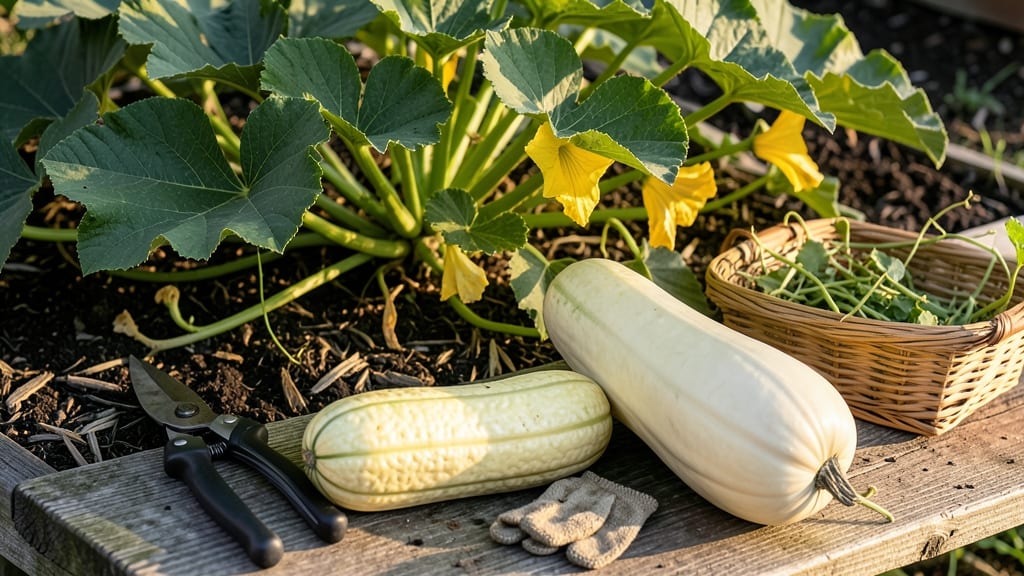
Picking spaghetti squash from the garden at the right time means the difference between tender, stringy strands and tough, unpalatable pulp — so how do you know when it’s truly ready?
You’ve nurtured your 🎃 spaghetti squash all season, but that doesn’t mean it’s ready to harvest. Miss the window, and you’ll end up with a squash that’s either underripe and bland or overripe and woody.
The good news? There are three foolproof ways to tell when your spaghetti squash is at its peak.
First, check the rind: it should turn from bright green to a dull, matte yellow. Next, test the stem—if it’s hard to pierce with your fingernail, that’s a sign it’s ready. Finally, give it a gentle tap: a hollow sound means it’s time to pick.
In this guide, I’ll walk you through these three unmistakable signs of ripeness, plus what happens if you harvest too early or too late—and how to save a squash that’s not quite ready.
3 Visual signs your spaghetti squash is perfectly ripe for harvesting
Spaghetti squash is one of those tricky-to-time vegetables where harvesting too early or too late ruins the experience. Unlike zucchini or pumpkins, its internal texture changes dramatically once ripe—going from tough and fibrous to tender, stringy strands.
I’ve learned the hard way that waiting for the right visual cues ensures that perfect al dente texture we all crave. The key lies in three unmistakable signs that tell you it’s time to grab your pruners.
First, let’s talk about color changes. When your spaghetti squash is young, its skin is a vibrant bright green, almost neon in full sun. But as it matures, the color shifts to a dull, matte yellow—think of a ripe banana’s peel.
This isn’t just about aesthetics; the chlorophyll breaks down as sugars develop inside, signaling peak ripeness. If you’re still seeing patches of green, your squash needs more time on the vine.
Next, check the stem’s firmness. A ripe spaghetti squash will have a stem that’s hard and woody—so tough you can’t pierce it with your fingernail. Early in the season, stems are soft and give easily when pressed.
This change happens because the plant stops sending nutrients to the stem as it focuses on the fruit’s maturation. If the stem feels spongy, your squash isn’t ready yet.
Finally, pay attention to the vine’s behavior. Healthy spaghetti squash vines are vigorous and sprawling, but as the fruit ripens, the vine near the squash will begin to yellow and die back.
This is the plant’s way of telling you it’s redirecting energy to seed production. If you see this happening, it’s your last call to harvest before the squash starts to overripen and lose quality.
🌱 How to Spot a Perfectly Ripe Spaghetti Squash
- 1. Dull Yellow Rind: Look for a matte, yellowish-green skin (not bright green). This means sugars are developing inside for sweetness.
- 2. Woody Stem: Press the stem with your fingernail—if it doesn’t dent, the squash is ripe. A soft stem = underripe.
- 3. Dying Vine: Check the vine near the squash. If it’s yellowing and wilting, the plant is signaling it’s time to harvest.
Pro Tip: Tap the squash—if it sounds hollow, it’s ready! A dull thud means it needs more time.
Why does the rind color matter so much? The shift from green to yellow isn’t just about looks—it’s a biological signal that the squash’s starches have converted to sugars. This process is what gives spaghetti squash its sweet, nutty flavor.
If you harvest too early, you’ll end up with a bitter, watery mess that’s nearly inedible. I once picked mine a week early because I missed the color change, and the strands were so tough I could barely scrape them off the fork!
Don’t overlook the weight factor either. A ripe spaghetti squash feels heavy for its size, almost like a small watermelon. This happens because the fruit is fully hydrated and packed with nutrients.
If yours feels light, it’s likely still filling out. I like to compare it to a dense cantaloupe—that’s the kind of heft you’re aiming for.
One mistake I’ve seen gardeners make is waiting until the squash turns orange or brown. By then, it’s overripe, and the flesh becomes grainy and dry. The ideal window is that dull yellow stage—like a ripe avocado.
Overripe squash also develops a musty smell near the stem, which is a clear sign to harvest sooner next time.
Timing your harvest also depends on your climate. In hotter regions, spaghetti squash ripens faster—sometimes in as little as 80 days. Cooler areas may take up to 100 days.
If frost is threatening before your squash shows these signs, it’s better to harvest slightly underripe and let it finish ripening indoors in a sunny spot for a few days.
Once you’ve confirmed all three signs, it’s time to harvest! Use a sharp knife or pruners to cut the squash from the vine, leaving a 1–2 inch stem attached. This helps prevent rot during storage.
Store your freshly harvested squash in a cool, dry place (like a pantry) where it’ll keep for 2–3 weeks—long enough to enjoy that perfect spaghetti-like texture in your favorite dishes.
How to test spaghetti squash ripeness: the 3-Method checklist
Beyond just looking at your spaghetti squash, I’ve learned that three hands-on tests confirm when it’s truly ready to harvest. These methods—the thump test, weight assessment, and vine inspection—give you the confidence to pick at peak flavor and texture.
Relying only on color can lead to disappointment, so let’s dive into these foolproof techniques.
First, the thump test is my go-to method because it reveals the internal readiness without cutting the squash. Hold the squash firmly with one hand and give it a sharp tap with your knuckles. A hollow, drum-like sound means the seeds are fully developed, and the flesh will be tender.
If it sounds dull or thud-like, it’s not ripe yet. This test works best in the morning when the squash is cooler and firmer.
The weight assessment is surprisingly telling—ripe spaghetti squash feels heavy for its size. Lift one in each hand to compare: the ripe one will feel noticeably denser.
This happens because the starch converts to sugars as it matures, increasing its weight. A light squash usually means it’s still filling out or hasn’t reached peak sweetness.
🌱 none
When to Pick Spaghetti Squash From Garden:
- 🎃 Color: Dull yellow rind (not bright green)
- 👉 Stem: Hard to pierce with fingernail
- 🔊 Thump: Hollow sound when tapped
- ⚖️ Weight: Feels heavy for its size
- 🌿 Vine: Leaves yellowing or dying back
✅ Best Time: Late summer to early fall (85–100 days after transplanting)
Don’t overlook the vine inspection—this is often the most overlooked clue. Check the main vine connecting the squash to the plant. If it’s drying out, yellowing, or starting to die back, the squash is ready.
Healthy vines with lush green leaves mean the fruit still needs time. I’ve found that squash left too long on the vine can become overripe, with tough strings and less sweet flesh.
Pro tip: Combine all three methods for the most accurate reading. For example, a squash that passes the thump test and feels heavy but still has green vines might need 2–3 more days to reach full ripeness.
This multi-step approach ensures you never miss the sweet spot between underripe and overripe.
Once you’ve confirmed ripeness, harvest on a dry morning using a sharp knife or pruners. Cut the stem about 1–2 inches above the squash to prevent rot. Store in a cool, dry place (50–55°F) for up to 3 months—or cook it immediately for the best texture.
The effort to test properly is worth the tender, flavorful strands you’ll enjoy!