
Picking
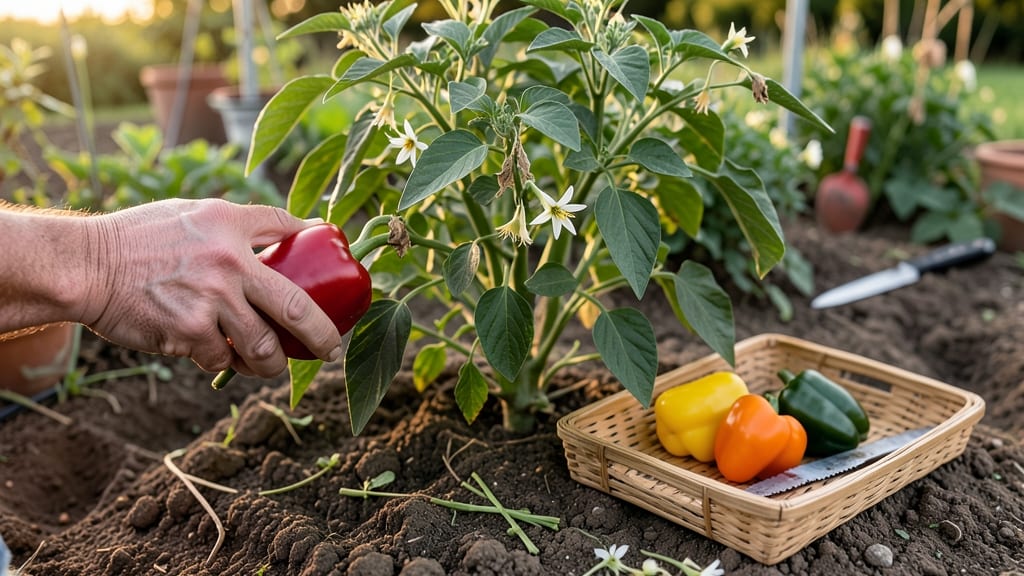
To pick peppers from your garden at the perfect moment means locking in their sweetest, crispest flavor—before they turn mealy or bitter.
Picture this: you’ve spent months tending to your 🌶️ peppers, and now the question looms—when is the exact right time to harvest? Miss it, and you’re left with overripe pods that taste like rubber. Get it right, and you’ll enjoy peppers so flavorful they’ll make your recipes shine.
This guide breaks down the three color-stage tests that tell you when your peppers are ready, plus the best times of day to harvest and how climate affects ripening. Whether you’re in a warm summer or a cooler fall, you’ll know precisely when to snip for peak taste.
You’ll also learn how to test firmness, spot the signs of overripeness, and even extend your harvest season with simple tricks. No guesswork—just crisp, vibrant peppers straight from your garden.


3 Color-stage tests to determine pepper ripeness for harvesting
Harvesting peppers at the wrong stage can ruin their flavor and texture. The color changes from green to vibrant hues signal when they're ready to pick.
Each stage—green, turning, and fully ripe—offers different qualities, from crisp freshness to sweet intensity. Understanding these visual cues ensures you pick peppers at their peak.
Peppers start green and firm when immature, offering a mild, crisp taste. As they mature, they transition through yellow, orange, or red depending on the variety. The ripeness stage determines not just flavor but also how well they store.
For example, red bell peppers develop a sweeter taste when fully ripe, while jalapeños become hotter as they ripen.
Here’s how to test ripeness using color, firmness, and size—no guesswork required. The summary table below breaks down each stage with clear indicators to help you decide when to harvest.
The green stage is perfect for pickling or fresh snacks because peppers are crisp and tangy. If you harvest too early, they’ll lack full flavor. For varieties like bell peppers, waiting for them to turn red or yellow unlocks their sweetest potential.
Meanwhile, jalapeños or serranos become hotter as they ripen, so timing matters for heat levels.
When peppers reach the turning stage, their tips change color—this is your cue to act. For example, a jalapeño might show yellow at the stem end, while a bell pepper could develop orange patches.
At this point, their flavor becomes more complex, but they’re still firm enough for cooking. If left on the plant, they’ll continue ripening, so balance is key.
Fully ripe peppers are the sweetest and most flavorful, but they’re also more delicate. A red bell pepper will be deep red with a slightly glossy skin, while a habanero turns bright orange or red.
These peppers are best for drying or long-term storage because their thick skins preserve quality. However, they’re also more prone to cracking if left too long on the vine.
To test ripeness, gently squeeze the pepper. If it feels too soft or wrinkled, it’s overripe. A firm, glossy surface means it’s ready. For storage potential, fully ripe peppers last longer on the counter, while green peppers should be refrigerated.
Pay attention to the stem end, too—it often darkens as the pepper matures, signaling it’s time to harvest.
Environmental factors like temperature and sunlight affect ripening speed. In hot climates, peppers may ripen faster, while cooler weather slows the process. If frost threatens, harvest green peppers early—they’ll ripen indoors if given time. For container gardeners, check peppers daily, as they ripen more quickly in limited space.
Pro tip: Use a small knife or pruning shears to cut peppers from the plant. Avoid twisting, which can damage the stem and reduce future yields.
After harvesting, let peppers sit at room temperature for a day to develop full flavor before storing. This simple step enhances sweetness and texture significantly.
Mastering these color-stage tests ensures you always pick peppers at their best. Whether you’re growing bell peppers, jalapeños, or habaneros, timing is everything. Now you can confidently harvest peppers that are flavorful, firm, and ready for your favorite recipes—without the guesswork.
How to avoid common mistakes when picking garden peppers
Picking peppers at the wrong time can turn your hard work into disappointment. One of the most common mistakes is harvesting too early—when peppers are still green and firm—which results in bland flavors and stunted growth.
I’ve learned the hard way that patience pays off when it comes to peppers, especially varieties like jalapeños or bell peppers that need time to develop their full potential.
Another frequent error is waiting too long, allowing peppers to overripen and become mealy or even drop from the plant. This not only reduces yield but can also signal the end of the plant’s productivity for the season.
Understanding the three key ripeness stages—green, turning, and fully ripe—helps avoid these pitfalls and ensures a bountiful harvest.
Environmental factors also play a crucial role. For example, temperature swings or inconsistent watering can stress plants, leading to uneven ripening or cracked pods. I’ve noticed that peppers grown in hot climates like Zone 9 often ripen faster, while cooler regions may need extra time.
Paying attention to these conditions can make all the difference in your harvest.
⚠️ Warning: 3 Critical Mistakes That Ruin Pepper Harvests
- Overharvesting: Removing too many peppers at once stresses the plant, reducing future yields. Limit to 1-2 peppers per plant per week during peak season.
- Picking Underripe Peppers: Harvesting before full color development (e.g., green jalapeños instead of red) sacrifices flavor and sweetness.
- Ignoring Weather Warnings: Frost or sudden cold snaps can kill unripe peppers on the vine. Always monitor forecasts in late summer/fall.
Pro Tip: Use a harvest journal to track pepper maturity dates and environmental conditions for next year’s success.
To extend your pepper plant’s productivity, I recommend a technique called successive harvesting. Instead of picking all ripe peppers at once, remove only the fully mature pods while leaving others to ripen.
This encourages the plant to keep producing, often extending the harvest window by 2-4 weeks. For example, bell peppers can continue fruiting if you leave a few behind to ripen fully.
Timing also matters—always harvest in the morning when peppers are cool and firm. This reduces stress on the plant and ensures better storage life. I’ve found that peppers picked in the afternoon often soften quickly due to heat, making them less ideal for long-term use.
If you’re short on time, focus on harvesting fully ripe peppers first to prioritize flavor and storage potential.
Finally, don’t forget to rotate your harvest tools between plants to prevent disease spread. Dirty pruners can introduce bacteria or fungi, leading to blossom end rot or other issues.
Disinfect tools with a 10% bleach solution before switching plants, and always cut peppers from the plant rather than twisting them off to avoid damage.