
Picking
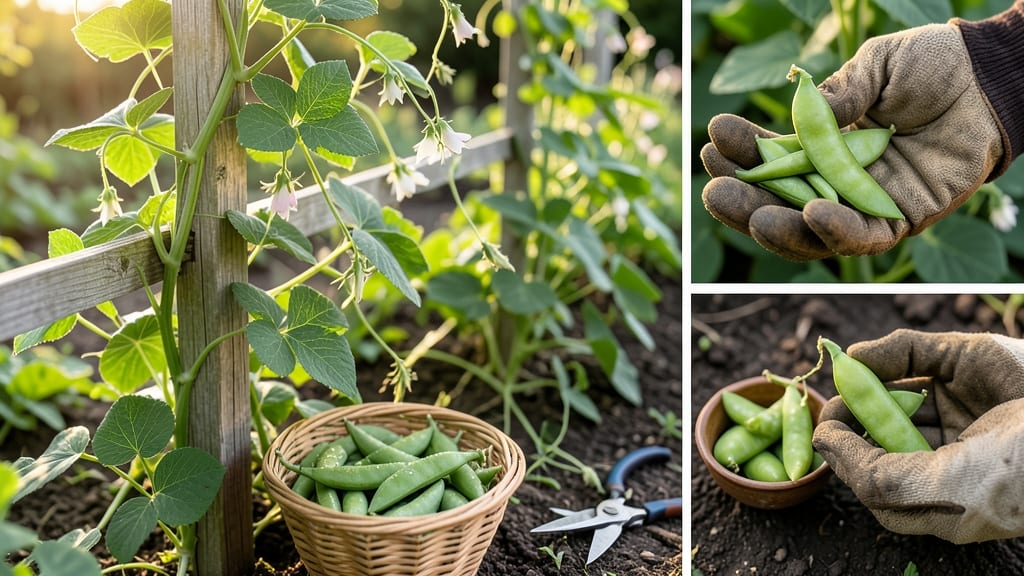
To pick peas from your garden at the perfect moment means the difference between sweet, crisp pods and tough, mealy ones—here’s how to nail the timing every time.
Peas are one of the fastest-growing vegetables in your garden 🌱, but picking them too early or too late can ruin their flavor. Too soon, and you’re left with underdeveloped pods; too late, and they turn woody or split open.
The key? Learning the subtle cues that signal just the right moment to harvest.
Most gardeners wait until pods reach about 2 inches long and are bright green, but the real secret lies in what happens when you touch them. A firm but slightly tender pod with visible (but not overly large) seeds inside is your target.
Below, I’ll walk you through three simple touch tests to guarantee perfect ripeness, plus how variety and climate can tweak your timing.
Whether you’re growing snap peas, shelling peas, or snow peas, these tips will help you avoid the most common mistakes—like overripe peas or missed harvests—and keep your garden producing sweet, tender pods all season long.


3 Touch tests to determine when peas are ready for harvesting
Peas are one of the most rewarding vegetables to grow, but knowing exactly when to pick peas from your garden can be tricky. Unlike some crops that change color dramatically, peas rely more on texture and touch to signal peak ripeness.
Mastering these tactile cues ensures you harvest sweet, tender pods instead of tough, overripe ones. I’ve used these simple touch tests for years to perfect my pea harvests—let me show you how they work.
Timing matters because peas quickly go from perfect to past their prime. A pod that’s just right will be plump, bright green, and slightly tender—but if you wait too long, the pods toughen and the peas inside shrivel.
The good news? You don’t need fancy tools or complex charts. Just your fingers and a little practice. These three touch tests will teach you to recognize the ideal moment to harvest, saving you from bitter disappointments and wasted effort.
How to Tell When Peas Are Ready to Pick
- 1 Pod Firmness Test: Gently squeeze the pod—it should feel firm but slightly yielding, like a ripe avocado. If it’s rock-hard, it’s underripe; if it’s mushy, it’s overripe.
- 2 Seed Visibility Test: Hold the pod up to the light—you should see plump, rounded peas inside that fill about 50% of the pod’s space. If they’re tiny, wait a few days; if they’re crowding, harvest immediately.
- 3 Shell Thickness Test: Pinch the pod’s edge—it should feel thin but sturdy. If the shell is thick or leathery, the peas inside are likely tough and past their prime.
"The pod firmness test is my go-to—it’s the fastest way to check ripeness without damaging the plant."
Let’s break down why each of these touch tests matters. The pod firmness test is all about balance—you want a pod that’s sturdy enough to hold its shape but tender enough to snap easily when bent. This balance ensures the peas inside are fully developed but still sweet.
I’ve found that snap peas (like Sugar Snap) are best when they’re firm but just starting to soften slightly, while shelling peas (like Wando) can handle a bit more firmness since you’ll remove the pod anyway.
Next, the seed visibility test is a game-changer for avoiding overripe peas. When you see those plump peas filling the pod, it’s your cue to act fast.
I like to do this test in natural light near my garden—it’s surprising how much detail you can see when the sun shines through the pods. If the peas inside look shriveled or too large for the pod, you’ve missed the window.
Pro tip: morning light works best because the pods are crispest after a cool night.
The shell thickness test might seem subtle, but it’s a dead giveaway for overripe pods. A thick, leathery shell means the peas inside have started to dry out, which ruins their flavor and texture.
I learned this the hard way one summer when I ignored this cue and ended up with a batch of peas that tasted bland and mealy. Now, I always double-check the shell thickness before deciding whether to harvest.
For snow peas, which are harvested before the peas inside fully form, this test is especially critical—you want the pods to be paper-thin and tender.
Here’s a pro tip I picked up from my local gardening club: harvest peas in the morning when temperatures are cooler. This ensures the pods are at their crispest and most flavorful.
I’ve noticed that peas picked in the afternoon can sometimes feel slightly softer, which might trick you into thinking they’re overripe when they’re not. Always check the pod firmness first thing in the morning for the most accurate results.
One common mistake I see even experienced gardeners make is waiting too long to harvest because they think "bigger is better." But with peas, size doesn’t equal sweetness—it’s all about timing. A pod that’s too large will have tough fibers and less flavor.
I’ve trained myself to harvest peas when they’re about 2 inches long for snap peas and slightly smaller for shelling peas. This size aligns perfectly with the touch tests I’ve shared, making it easier to judge ripeness at a glance.
If you’re growing multiple pea varieties, like both snap and shelling peas, you’ll need to adjust your touch tests slightly. Snap peas should be harvested when they’re crisp and bright green, while shelling peas can wait until the pods are slightly larger but still tender.
The key is to harvest frequently—every 2-3 days during peak production. This encourages the plant to produce more pods and keeps the ones you do pick at their peak flavor.
I’ve found that a regular harvest schedule also deters pests, as they’re less likely to target a well-maintained plant.
Finally, don’t forget that climate plays a role in pea ripeness. In cooler spring or fall weather, peas mature more slowly, so you might need to rely more on the touch tests than on a strict timeline.
Conversely, in warm summer conditions, peas can ripen faster, so keep an eye on them daily. I’ve had the best luck with peas grown in USDA Zone 6a, where the temperatures are mild enough to allow for a steady harvest without rushing the plants.
If you’re in a hotter zone, consider planting peas in the late summer or early fall to avoid heat stress.
Mastering these touch tests will transform your pea harvest from a guessing game into a reliable, delicious routine. Start by practicing the pod firmness test on a few pods each day, then move on to the seed visibility and shell thickness checks.
Before you know it, you’ll be picking peas at the perfect moment—every time. Happy harvesting! 🌱
Pea variety matters: harvest times for shelling vs. snap peas
Not all peas are created equal when it comes to harvest timing. Shelling peas (like 'Wando' or 'Lincoln') and snap peas (like 'Sugar Snap' or 'Oregon Sugar Pod') have distinct ripening stages that determine when they're ready to pick.
Understanding these differences ensures you enjoy sweet, tender peas at their peak.
For shelling peas, you're waiting for the pods to mature enough to reveal plump, edible peas inside—but not so mature that the peas inside become tough. Meanwhile, snap peas are harvested while the entire pod is still crisp and tender, making timing even more critical.
The key lies in watching for color changes and pod firmness specific to each type.
| Pea Type | Harvest Time | Pod Size | Color Cue | Texture Test |
|---|---|---|---|---|
| Shelling Peas | 70-80 days | 2-3 inches | Bright green | Pods firm but yield slightly; seeds visible but not filling pod |
| Snap Peas | 60-70 days | 2-3 inches | Vibrant green | Pods crisp, snaps easily when bent; seeds tiny |
| Snow Peas | 65-75 days | 1.5-2 inches | Bright green | Flat pods, crisp texture; seeds barely visible |
Shelling peas should be harvested when the pods are bright green and about 2-3 inches long. At this stage, the peas inside should be plump but not yet filling the pod. If you wait too long, the peas inside will become tough and lose their sweetness.
For snap peas, timing is even tighter—the pods must be harvested when they're still crisp and the seeds are barely visible.
Another key difference is the growth stage at harvest. Shelling peas are often picked in two waves: first for immature pods and later for mature peas. Snap peas, however, are best picked all at once when the entire plant is producing tender pods.
This means you'll need to monitor your snap pea plants closely, as they can go from perfect to overripe in just a few days.
Climate plays a role too. In cooler regions, peas may mature more slowly, so check for ripeness daily. In warmer climates, snap peas might ripen faster, requiring more frequent harvesting. Always pick in the morning when pods are cool and crisp for the best flavor.
Pro tip: Use a trellis to support climbing varieties—this improves air circulation and makes it easier to spot ripe pods. Regular harvesting also encourages more production, so don’t let your pea plants go to seed! 🌱