
Picking
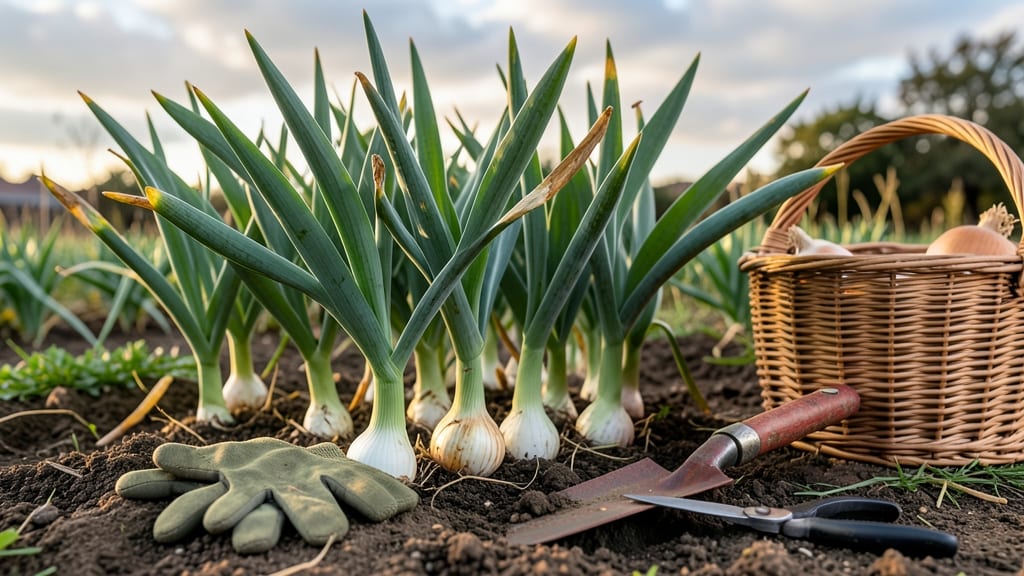
To pick onions from your garden at the perfect moment means capturing their peak flavor and storage potential—before they turn bitter or rot.
Picture this: you’ve nurtured your 🧅 for months, only to pull them too soon (they’re still tough and watery) or too late (they’ve split or sprouted). The difference between a perfect harvest and a wasted batch often comes down to timing.
Look for three key signs: when the tops yellow and fall over, when the bulb reaches 1-2 inches in diameter, and when the neck tightens and the skin turns papery. These clues tell you the onions are ready to pull.
Below, I’ll break down how to spot these signals, adjust for your climate zone, and avoid common mistakes that turn great onions into disappointments.


3 Clear signs your onions are ready for harvesting
Harvesting onions at the right time ensures sweet, flavorful bulbs that store well. But how do you know when they're ready? Unlike many vegetables, onions don't ripen after picking, so timing is everything. The key lies in three visual and tactile indicators: bulb size, leaf color, and neck drying.
These signs work for both storage onions and green onions, though the exact timing differs slightly between types.
First, let's address the most common question: Can you eat onions that are too mature? Technically yes, but overripe onions develop tough skins, shriveled interiors, and lose their sweetness. The best flavor comes when you harvest at peak readiness—when the bulbs are plump but before the tops completely wither.
This balance is what separates garden-fresh perfection from disappointing harvests.
🌱 When to Pick Onions: 3 Key Indicators
-
1. Bulb Size (1-2 inches in diameter)
Gently brush away soil to check. Storage onions should feel firm and round like golf balls. Green onions (scallions) are ready when their white base is ½-inch thick. -
2. Leaf Color (Yellowing tops)
Mature storage onions show yellowing or brown leaves that flop over. Green onions stay green but develop thick white stems—harvest when they reach 8-12 inches tall. -
3. Neck Drying (Papery skin)
The bulb's neck (where leaves meet the bulb) should tighten and dry. For storage onions, this means the skin turns tan and papery. Green onions don’t need this step.
Pro Tip: Test readiness by gently tugging on the green tops. If the bulb slides out easily, it’s ready! If it resists, wait 1-2 weeks. 🧅
Let’s break down the first sign: bulb size. For storage onions, aim for bulbs that measure 1-2 inches in diameter. Smaller bulbs (under 1 inch) are best used as green onions, while larger ones (over 2 inches) may split or develop tough skins.
To check without damaging the plant, use your fingers to gently part the soil around the base. Look for a firm, round shape—this indicates the bulb has absorbed enough nutrients to develop flavor.
Next, watch for leaf color changes, which signal the onion’s internal maturation. Storage onions will show yellowing or browning leaves that eventually flop over. This isn’t a sign of disease—it’s nature’s way of telling you the bulb is ready.
Green onions, however, stay vibrant green. Instead, focus on their stem thickness: harvest when the white base reaches about ½-inch in diameter, even if the leaves are still upright. This ensures crisp, tender scallions.
The third and most critical sign is the neck drying. This is where many gardeners miss the mark. For storage onions, the neck (the area where the leaves meet the bulb) should tighten and develop papery skin.
Run your thumb along this junction—it should feel dry and slightly rough, not slick or green. If you harvest too early, the neck stays soft, and the bulb won’t store well. If you wait too long, the skin becomes brittle, and the onion may sprout or rot.
Here’s a regional twist to consider: Onions grown in hot, dry climates (like the Southwest U.S.) may mature faster and need harvesting earlier, while cooler regions (like the Pacific Northwest) can afford a longer growing season. Pay attention to your local frost dates.
If winter is approaching, harvest storage onions 2-3 weeks before the first frost to ensure they cure properly. Green onions, on the other hand, can often be harvested right up until frost, as they’re more cold-tolerant.
One of the biggest mistakes I see is harvesting onions by calendar dates rather than visual cues. While onions typically take 90-120 days to mature, environmental factors like rainfall, temperature, and soil fertility can shift this timeline.
For example, onions planted in rich, moist soil may bulk up faster, while those in dry or poor soil could lag behind. Always prioritize the three key signs over guesswork.
After harvesting, curing onions properly extends their shelf life. Lay freshly pulled onions in a shady, dry, well-ventilated area (like a garage or porch) for 1-2 weeks. This allows the skins to dry and toughen, preventing rot.
Avoid washing or storing them in plastic bags—this traps moisture and speeds up spoilage. Once cured, store onions in a cool, dark place with good airflow, like a mesh bag or cardboard box. With proper curing, storage onions can last 6-8 months!
Finally, let’s address a common misconception: you don’t need to harvest all onions at once. For continuous harvests, you can pull green onions as needed throughout the season. Even with storage onions, you can leave a few bulbs in the ground until they reach your desired size.
Just be sure to monitor them closely—once the tops yellow and fall, the clock is ticking! The longer you wait, the higher the risk of bolting (sending up a flower stalk), which ruins the bulb’s quality.
Mastering these three signs will transform your onion harvests from hit-or-miss to consistently delicious. Next time you’re in your garden, take a moment to check your onions’ bulbs, leaves, and necks. When all three indicators align, you’re ready to pull, cure, and enjoy homegrown onions at their peak! 🌱
Green vs. storage onions: when to harvest each type
Not all onions are created equal when it comes to harvest time. Green onions (or scallions) and storage onions have completely different timelines for peak flavor and texture. Harvesting at the wrong time can turn your crisp, fresh green onions into tough, pungent bulbs—or vice versa.
Let’s break down exactly when to pull each type for the best results.
Green onions are all about the leaves, not the bulb. They’re ready to harvest when they reach about 6-8 inches tall and the stems are thick enough to use in cooking. The key is to cut them just above the soil line, leaving the roots intact so they’ll regrow.
Storage onions, on the other hand, need time to develop a firm bulb and papery skin, which happens much later in the season.
For green onions, you can actually harvest them multiple times throughout the growing season. Simply snip the outer leaves when they’re about 10-12 inches tall, and the plant will keep producing new growth.
This method works best for varieties like Evergreen Hardy White or Tokyo Long White, which focus on leaf production rather than bulb development.
Storage onions, however, require patience. The best time to harvest them is when about 50-60% of the tops have fallen over and turned yellow. This usually happens in late summer or early fall, depending on your climate.
If you wait too long, the bulbs may split or develop a tough, fibrous texture. For varieties like Yellow Granex or Sweet Spanish, timing is everything.
Pro tip: If you’re unsure whether your onions are ready, gently tug on the tops. If the bulb slips out of the soil easily, it’s harvest time.
For storage onions, let them cure in the sun for 1-2 days before trimming the tops and storing them in a cool, dry place. This curing process helps extend their shelf life and enhances flavor.
Remember, the soil type and climate zone can affect harvest times. In warmer regions, onions may mature faster, while cooler climates might require an extra month or two. Always keep an eye on your plants and adjust your harvest timing based on what you see in your garden.