
Picking
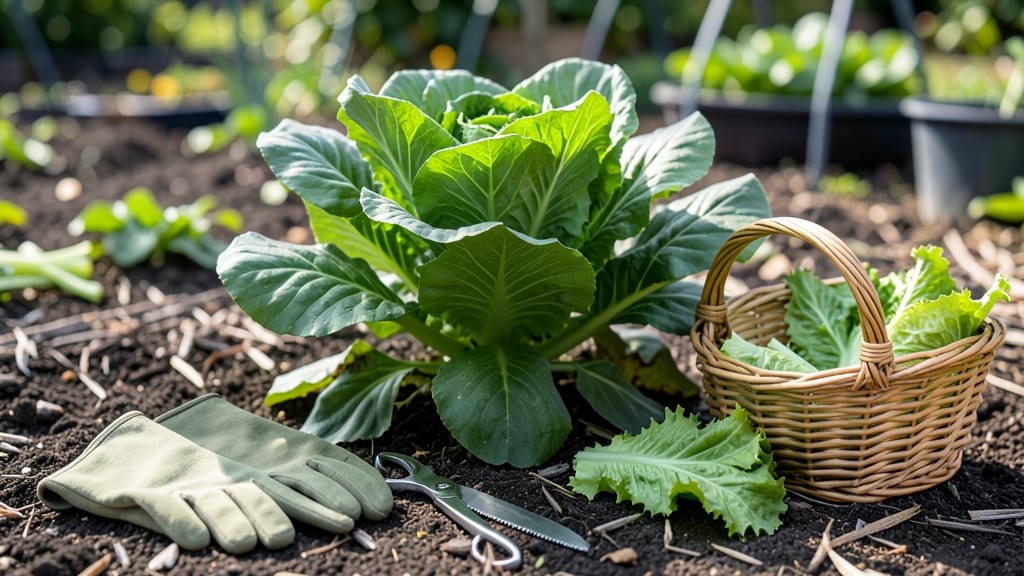
To pick lettuce from your garden at the perfect moment means crisp, flavorful leaves every time—before they bolt or turn bitter.
Picture this: you’ve nurtured your 🥬 all season, and now the moment of truth arrives. One wrong move, and you’re left with tough, seedy greens instead of the tender salad staples you imagined. The good news? Timing lettuce harvests isn’t rocket science—just a few simple tricks to spot readiness.
Whether you’re growing loose-leaf varieties or tight-headed types, the key lies in leaf size, texture, and color. Butterhead lettuce, for example, signals peak harvest when its leaves cup loosely, while romaine’s crisp ribs should snap cleanly when bent.
Heat or drought can speed up maturity, so keep an eye on the weather too.
In this guide, I’ll walk you through the crispness test, three foolproof visual cues, and how to store your harvest so it stays fresh for days. No more guessing—just perfect lettuce, every time.


The crispness test: how to check lettuce readiness before harvesting
Knowing when to pick lettuce from your garden is all about balance—harvest too early, and you’ll miss peak flavor; wait too long, and you risk bitter leaves or bolting. The key is testing for crispness, size, and color that signal perfect maturity.
I’ve learned the hard way that skipping this step can turn your salad greens into tough, disappointing mouthfuls.
Lettuce varieties like butterhead, romaine, and leaf lettuce each have unique readiness cues. Butterhead forms loose, tender heads, while romaine develops crisp, elongated ribs. Leaf lettuce, on the other hand, matures when outer leaves reach 3-6 inches. Ignoring these differences often leads to over-mature crops that bolt prematurely.
Before you grab your shears, perform the crispness test: gently squeeze a leaf between your fingers. If it feels firm but yields slightly, it’s ready.
If it’s still mushy or woody, give it a few more days. This simple tactile check saves you from harvesting underripe or overripe lettuce.
Step-by-Step Lettuce Readiness Check
- 1 Check Leaf Size: Measure outer leaves. Butterhead should form 4-6 inch heads, romaine ribs should reach 8-12 inches, and leaf lettuce outer leaves should be 3-6 inches long.
- 2 Test Leaf Firmness: Gently press a leaf. It should feel crisp but slightly pliable. If it’s mushy or rubbery, it’s past its prime.
- 3 Inspect Color: Look for vibrant, consistent color without yellowing or browning. Butterhead should be pale green, romaine deep green, and leaf lettuce rich in its variety’s hue.
- 4 Count Mature Leaves: Aim for 6-8 fully developed leaves in the center. If the plant has fewer, it needs more time.
- 5 Avoid Common Mistakes: Don’t harvest in hot afternoons (leaves wilt faster) or after heavy rain (soil can dilute flavor). Use sharp scissors to cut 1 inch above the base for regrowth.
One of the biggest mistakes I see gardeners make is waiting until lettuce bolts or flowers. Once you spot a tall flower stalk, the leaves turn bitter and tough.
For leaf lettuce, you can actually harvest outer leaves first to encourage regrowth, but stop when the core starts to yellow.
For butterhead and romaine, timing is critical. Butterhead lettuce is ready when the head is fully formed but still loose. If it tightens too much, it loses tenderness. Romaine, meanwhile, should have crisp ribs that stand upright. If the ribs bend or the leaves curl, it’s overripe.
Pro tip: Harvest in the early morning when leaves are cool and crisp. This is when flavor and texture peak. Avoid harvesting after midday heat, as lettuce wilts quickly and loses its snap.
If your lettuce starts to yellow or bolt, don’t panic—it’s still edible! Just remove the bitter outer leaves and use the inner ones for cooking or smoothies. But for the best salad-quality greens, always aim to harvest at peak crispness.
Finally, store harvested lettuce in the crisper drawer of your fridge, wrapped in a damp paper towel to retain moisture. This keeps it fresh for 5-7 days while maintaining that garden-fresh crunch.
Mastering the crispness test takes practice, but once you get the hang of it, you’ll never waste another lettuce plant. Your salads—and your taste buds—will thank you!
3 Visual signs your lettuce is perfectly ripe (and when to harvest each type)
Knowing when to harvest your lettuce can mean the difference between a crisp, sweet salad and bitter, tough leaves. Each variety has unique visual cues that signal peak ripeness. For example, butterhead lettuce develops soft, rounded heads, while romaine forms tight, elongated ribs.
Ignoring these signs often leads to over-mature plants that bolt prematurely, especially under hot weather or drought stress.
Leaf lettuce, like green leaf or red leaf, ripens when the outer leaves reach 3-6 inches in length and develop vibrant color. Butterhead varieties are ready when their heads are fully formed but still loose, while romaine should have tight, crisp ribs extending upward.
These visual clues help you avoid harvesting too early (underdeveloped flavor) or too late (bitterness or bolting).
Heat waves, pests, or inconsistent watering can accelerate lettuce maturity, so always check for these three key signs before harvesting. A quick glance at your plants—combined with a gentle touch to test leaf firmness—will ensure you pick lettuce at its peak for the best taste and texture.
| Variety | Harvest Cues | Days to Maturity | Harvest Method |
|---|---|---|---|
| Butterhead (e.g., Bibb, Boston) | Heads 3-4 inches wide, soft, rounded leaves | 45-60 days | Cut entire head at base |
| Romaine (e.g., Paris Island, Little Gem) | Tight elongated ribs, 10-12 inches tall | 50-60 days | Snip outer leaves or cut full stalk |
| Leaf Lettuce (e.g., Oakleaf, Lollo Rossa) | Outer leaves 3-6 inches long, vibrant color | 30-45 days | Pick outer leaves, leaving inner growth |
| All Varieties (Stress-Induced) | Heat/drought speeds up harvest by 10-15 days | Check daily for readiness | Harvest immediately when signs appear |
For butterhead lettuce, look for a loose, rounded head that’s fully formed but still tender. If the leaves start to yellow or tighten, you’ve missed the window—these plants bolt quickly once they sense stress.
Meanwhile, romaine should have crisp, upright ribs that feel firm when squeezed gently. Harvest by cutting the entire stalk at the base or snipping individual leaves from the outside.
Leaf lettuce varieties, like oakleaf or red leaf, reward you with continuous harvests. Simply pluck the outer leaves when they reach 3-6 inches, leaving the inner growth to mature.
This method extends your harvest by 2-3 weeks compared to cutting the whole plant. Just avoid pulling leaves from the center, as this stunts future growth.
Watch for environmental stress signs like yellowing leaves or premature flowering, which mean your lettuce is bolting. Heat above 80°F (27°C) or drought can trigger this within 7-10 days, so prioritize shade cloth and consistent watering during summer.
When in doubt, harvest a few leaves to taste-test—bitter flavor confirms it’s past its prime.
Pro tip: Store harvested lettuce in the crisper drawer of your fridge, wrapped in a damp paper towel, to preserve freshness for 5-7 days. This simple step ensures your homegrown greens stay crisp and ready for your next salad.