
Picking
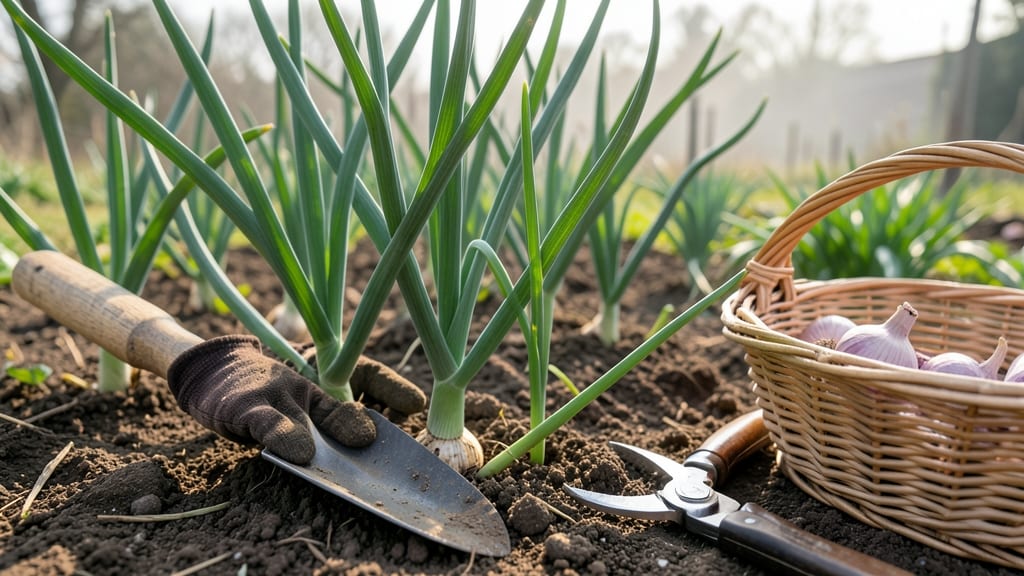
To pick garlic from your garden at the perfect moment means the difference between bold, flavorful cloves and bitter, shriveled ones.
Harvesting garlic at the wrong time can mean the difference between plump, flavorful bulbs and shriveled, pungent cloves—so knowing exactly when to pick garlic is crucial for gardeners. One week too early, and you’ll miss out on full size; one week late, and the bulbs split or rot.
The stakes are high, but the clues are all around you in the garden.
Look for three key signs: the lower leaves turning brown and crispy, bulbs pushing above soil, and stems snapping easily when bent. These visual cues tell you the moment is right—no guesswork needed. Miss them, and you risk losing your harvest entirely.
In this guide, I’ll walk you through the 3 telltale signs of readiness, the best time of day to harvest, and how to cure and store your garlic for long-term use. By the end, you’ll never second-guess when to pull those golden cloves from the earth.


3 Telltale signs your garlic is ready for harvest (with visual cues)
Knowing when to pick garlic from your garden is essential for maximizing flavor and storage life. Unlike many vegetables, garlic doesn't ripen like fruit—it matures based on visual cues and physical changes in the plant.
Miss these signs, and you risk shriveled bulbs or even premature sprouting of cloves. The good news? You can test readiness without damaging your plants.
Garlic typically takes 8-10 months to mature, depending on your climate and variety. Hardneck varieties (like Rocky Mountain or Music) often mature earlier than softneck types. But regardless of variety, these three key indicators will tell you when it's time to harvest:
- 1 Lower leaves turn brown and crispy – The bottom 1/3 of leaves should dry out and crisp to the touch. If you see this, the bulb is nearing maturity. Don't wait until all leaves brown, as this can signal over-maturity.
- 2 Bulbs push above soil surface – Gently brush away soil around the base. If you see rounded bulbs (about 2-3 inches wide) with tight papery skins, it's harvest time. Pro tip: Use your fingers to gently squeeze the soil—if the bulb feels firm and resists movement, it's ready.
- 3 Stems snap easily when bent – The top leaves (scapes or stems) should bend but not break like green celery. If they snap cleanly with a slight resistance, the bulb is at peak maturity. This is your final check before harvesting.
Here's how to test readiness without damaging your plants: Gently lift a bulb from the soil using a garden fork. If the skin is tight and the cloves are plump, harvest immediately.
If the skin feels loose or soft, wait another week. Remember, over-mature garlic loses flavor and may sprout prematurely.
For hardneck varieties, harvest when 50-60% of leaves have turned brown. Softneck varieties (like Silverskin) can wait slightly longer, but never let the entire plant collapse. The ideal harvest window is typically late June to early July in most climates, but this varies by USDA zone.
One common mistake is waiting too long. If you see yellowing tops that flop over completely, your garlic may have split bulbs or loose cloves. Another red flag is green shoots emerging from the center—this means the bulb is over-mature and past its prime.
Always harvest on a dry, sunny day to ensure proper curing.
To avoid damaging your plants during testing, use a garden fork to gently loosen the soil around one bulb. If it slides out easily with tight skin, your entire patch is likely ready.
If the bulb feels loose or soft, wait another 5-7 days before checking again. This method lets you monitor progress without risking the whole harvest.
Pro tip: Keep a harvest journal to track when your garlic matures each year. Note the leaf color changes, bulb size, and weather conditions. Over time, you'll recognize the perfect harvest window for your specific climate and variety.
For example, Rocky Mountain garlic often matures 2-3 weeks earlier than Artichoke garlic in the same garden.
Once you've confirmed readiness, harvest within 24 hours to preserve quality. Use a sharp garden fork to lift bulbs carefully, avoiding cuts to the papery skins. After harvesting, trim the roots but leave the stems intact for curing. This step is critical for long-term storage and flavor retention.
Never harvest garlic after a heavy rain, as wet bulbs won't cure properly and are prone to mold or rot. Aim for a dry forecast of at least 3-5 days after harvest to ensure your garlic dries evenly.
With these visual cues and testing methods, you'll never second-guess your harvest timing again.
Best time of day and season to harvest garlic for maximum flavor
Timing your garlic harvest correctly is the secret to bold, flavorful bulbs. Most gardeners plant garlic in fall for a summer harvest, but the exact timing depends on your climate zone and garlic variety type.
Hardneck varieties, like Rocky Mountain or German Red, typically mature first, while softneck types like Silverskin take longer.
For peak flavor, aim to harvest garlic when the lower leaves turn brown and crispy—usually between late June and July in most regions. This window ensures bulbs have fully developed but haven’t yet begun to sprout scapes or over-mature, which can weaken flavor.
The key is acting before the top leaves yellow completely or fall over.
⚠️ callout warning ⚠️
Harvesting garlic too late causes bulbs to split open or sprout prematurely, reducing storage life and flavor intensity. If you miss the window, bulbs may also shatter when dried, making them unusable. Check readiness weekly in late spring to avoid this mistake.
🌱 Pro Tip: Dig up one bulb to test—if the papery skin is tight and cloves are firm, it’s harvest time!
Morning is the best time of day to harvest garlic because the soil is cooler and drier, reducing the risk of rot or disease. Avoid harvesting after rain, as wet bulbs are prone to mold during curing.
Use a garden fork to gently loosen soil around plants, then grasp the stem and pull upward—never dig with a shovel, which can damage bulbs.
Regional differences matter: In warmer climates (Zones 8-10), garlic may mature as early as May, while in cooler zones (Zones 3-6), harvest might extend into August.
Hardneck varieties often signal readiness by sending up scapes (flower stalks), which can be snapped off to redirect energy to bulb growth—but don’t wait too long after this happens!
After harvesting, don’t wash the bulbs—just remove excess soil. Let them cure in a dry, shaded spot for 2-4 weeks (like a garage or porch) before storing. Proper curing is critical: bulbs with moisture trapped inside will spoil quickly.
Store cured garlic in a cool, dark place with good airflow, like a mesh bag or ventilated container.
One common mistake is harvesting softneck varieties too early—these need longer growth for their tight, layered cloves. If you’re unsure, test one bulb by peeling back the skin: if the cloves are small and loose, wait another 1-2 weeks.
Patience pays off with juicier, more aromatic garlic perfect for cooking or preserving.