
Picking
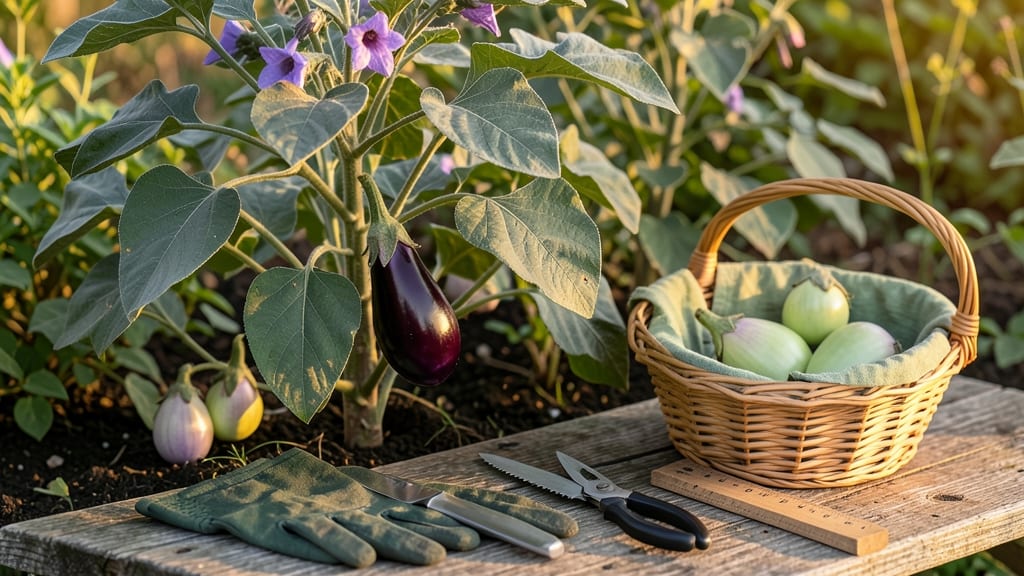
Picking eggplant at the right time means the difference between a meal of tender, flavorful slices and one that’s bitter or seedy—so knowing when to pick eggplant in garden is everything.
Picture this: you’ve nurtured your 🍆 from seed, and now the fruit is swelling on the vine. But how do you know it’s actually ready? One wrong move, and you’ll end up with fruit that’s either too small or past its prime—no one wants that.
The secret lies in three key clues: color depth, skin texture, and stem firmness.
In USDA Zone 6a, where summer heat peaks between July and October, timing matters even more. Harvest too early, and the flavor won’t develop; wait too long, and the seeds harden, turning your eggplant into a mealy disappointment.
Below, I’ll walk you through the exact signs to watch for—plus the best time of day to pick for peak freshness.
Ready to avoid the guesswork? You’ll leave here knowing exactly when to snip that glossy purple (or white, or striped) gem for the perfect bite—every time.
3 Visual signs your eggplant is ready for harvest (color & texture guide)
Eggplants are finicky about timing—pick too soon, and you’ll end up with bitter, underdeveloped fruit. Wait too long, and they turn seedy or mealy. The key lies in three visual cues: skin color depth, surface gloss, and firmness.
I’ve learned this the hard way after harvesting eggplants that were either too green or already past their prime. Let’s break down what to look for to ensure you’re picking at peak ripeness.
First, focus on the skin color. Most eggplant varieties—like the classic Black Beauty or Rosa Bianca—develop a deep, uniform hue when ripe. For purple types, this means a rich, velvety purple with no green at the stem end.
White varieties should turn a creamy, consistent white. Ignoring this cue often leads to picking fruit that’s still immature, which can taste bitter and tough.
Next, check the glossiness of the skin. A ripe eggplant should have a slightly shiny surface, almost like it’s been lightly dusted with wax. Dull or matte skin? That’s a red flag for underripe fruit.
Overripe eggplants, on the other hand, may develop a wrinkled or leathery texture, losing that glossy finish. This is your plant’s way of telling you it’s past its prime.
Finally, test the firmness by gently pressing the fruit. A ripe eggplant should feel firm but not rock-hard. If it’s soft or mushy, it’s overripe. If it’s too hard, it’s still developing.
Pro tip: Give the stem a gentle twist. If it snaps cleanly, it’s ready to harvest. If it resists, wait a few more days.
One mistake I see often is assuming all eggplants ripen at the same rate. Smaller varieties like Fairy Tale or Patio Baby mature faster (around 60-70 days) than larger types like Ichiban (which can take up to 120 days).
Always check your seed packet for variety-specific timelines. If you’re growing in a hotter climate, like Zone 9 or 10, eggplants may ripen quicker due to extended growing seasons.
Another pro tip: Harvest in the morning when temperatures are cooler. This reduces stress on the plant and ensures the fruit stays fresher longer. I’ve found that eggplants picked in the heat of the day can spoil faster, especially if stored in a humid environment.
If you’re unsure whether your eggplant is ready, err on the side of waiting—underripe eggplants can still ripen off the vine (though flavor may suffer), while overripe ones are a lost cause.
For white or striped varieties, like Casper or Rosa Bianca, the ripeness cues are slightly different. Instead of a deep purple, look for a creamy white or pale hue with no green undertones. The gloss and firmness tests still apply, but color shifts can be more subtle.
I once harvested a Casper eggplant too early because I misread the pale color as underripe—it turned out to be perfectly good but lacked the rich flavor of a fully mature fruit.
If you’re growing eggplants in containers, keep an extra-close eye on ripeness. Container-grown plants often produce smaller fruit, and the soil can dry out faster, accelerating ripening. In my own container garden, I’ve noticed that eggplants in 5-gallon pots ripen about 1-2 weeks earlier than those in the ground.
Adjust your harvesting schedule accordingly, and don’t forget to water consistently—drought stress can trick the plant into ripening prematurely.
Finally, remember that eggplants continue to ripen after picking, but only to a point. Once the seeds inside start to harden, the fruit is past its prime. If you’re worried about missing the window,
Best time of day to harvest eggplant for maximum flavor & shelf life
Timing your eggplant harvest isn't just about ripeness—it's also about environmental conditions that preserve flavor and texture. I've learned from experience that morning harvests consistently yield the freshest, most vibrant eggplants, but there are nuances based on your local climate and humidity levels.
For example, in my USDA Zone 6a garden, I always aim to pick between 8 AM and 10 AM when dew has evaporated but temperatures are still mild.
The key is avoiding peak afternoon heat (after 2 PM), which can cause fruits to overheat and lose their firmness. Even more critical is humidity levels—high humidity at harvest can accelerate spoilage, while dry mornings create ideal conditions for storage.
My garden journal shows that eggplants harvested in low-humidity mornings stay fresh 10-14 days longer in my cool basement than those picked in humid afternoons.
- 🌅 Morning (8-10 AM): Best time to harvest—cool temperatures preserve firmness and flavor. Dew has evaporated but heat stress hasn't begun.
- 🌡️ Temperature Check: Ideal harvest temps are 60-75°F (15-24°C). Avoid picking when temps exceed 85°F (29°C)—fruits soften faster.
- 💧 Humidity Matters: Harvest when relative humidity is below 60%. High humidity (above 70%) speeds up rot and spoilage.
- 🌇 Evening Harvests: Only do this if temperatures drop below 70°F (21°C) after sunset. Otherwise, overnight cooling can dull flavor.
- ⏰ Avoid Midday Heat: Never harvest between 12 PM and 4 PM. Fruits lose moisture and firmness quickly in direct sun.
One pro tip I swear by is pre-cooling harvested eggplants immediately after picking. I place them in a shaded, well-ventilated area for 30 minutes before storage. This mimics the natural cooling process and extends shelf life by 3-5 days.
For gardeners in hot climates (Zones 8-10), I recommend harvesting even earlier (6-8 AM) to combat the intense heat.
If you're growing container eggplants, timing becomes even more critical because pots heat up faster. I've found that morning harvests in containers reduce the risk of soggy, seedy interiors—a common issue when fruits overheat.
Always check the stem's snap test (it should twist off cleanly) before assuming it's ready, regardless of the time of day.
For long-term storage, I store harvested eggplants in a single layer on a wire rack in my basement (around 50-55°F / 10-13°C). This prevents ethylene gas buildup, which accelerates spoilage.
If you must refrigerate, do so only after cutting or cooking—whole eggplants stored in the fridge develop off-flavors within 3 days.
Remember, the best time to harvest isn't just about the clock—it's about listening to your plants. If your eggplants are ready but the weather isn't ideal, harvest anyway and prioritize post-harvest care.
With these timing tips, you'll enjoy peak flavor and texture every time you pull an eggplant from your garden. 🍆