
Picking
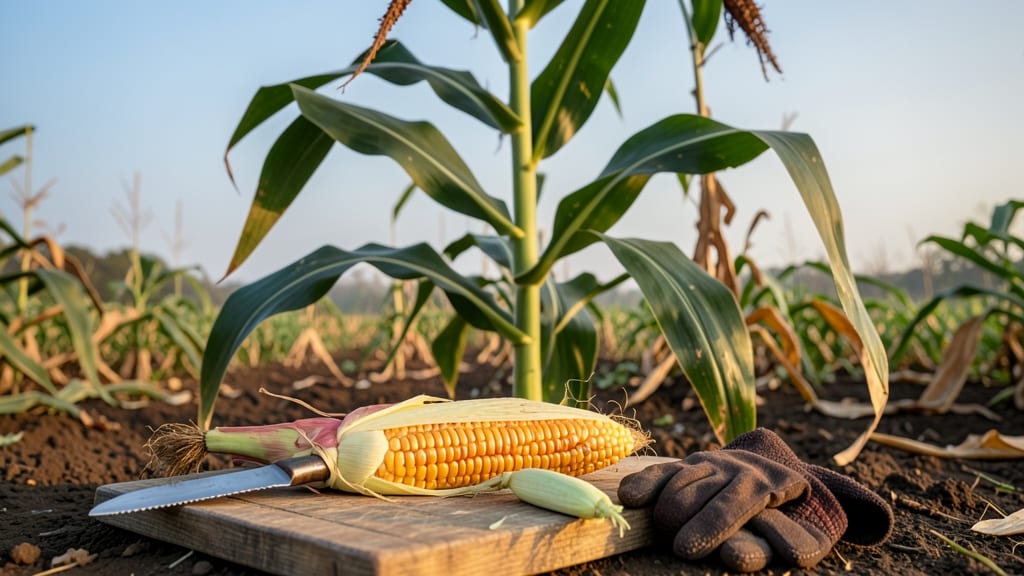
Picking corn from your garden at the right time means the difference between sweet, juicy kernels and tough, starchy ears.
Nothing beats the taste of fresh-picked corn straight from the garden—but timing is everything. Harvest too early, and you’ll miss out on sweetness; too late, and you’ll get tough kernels and starchy ears.
Here’s how to master the perfect moment using the foolproof 3-finger test that even beginner gardeners swear by.
Most gardeners wait for the silks to turn brown and dry, but the real magic happens when the kernels reach that perfect milky stage. A simple finger press tells you exactly when your corn is ready to pull, and skipping this step means missing out on peak flavor.
Plus, I’ll show you how to adjust for heat waves or late-season chills so your harvest stays sweet no matter what Mother Nature throws your way.
By the end, you’ll know not just when to pick corn, but how to store it for maximum freshness and even troubleshoot if your ears aren’t as sweet as they should be. Let’s get started!


The 3-Finger test: how to check corn ripeness for maximum sweetness
There’s nothing like biting into a perfectly ripe ear of corn straight from your garden—sweet, tender, and bursting with flavor. But how do you know when it’s truly ready? The 3-finger test is my go-to method for determining peak ripeness without guessing.
This simple trick helps you avoid starchy, tough kernels or underripe, watery ears by checking the kernel’s internal moisture and starch levels.
The test works by pressing a kernel between your thumb, index, and middle fingers to see if it releases a milky white liquid. This liquid is a surefire sign that your corn is at its sweetest.
But timing matters—perform the test at the right time of day and avoid common mistakes that can throw off your results. Let’s break it down step by step.
One of the biggest mistakes gardeners make is testing corn in the afternoon or evening. Heat causes kernels to release more liquid, giving a false sense of ripeness.
Always test in the cool morning hours for accurate results. Another common error is pressing too gently—you need firm pressure to see the liquid.
Pro tip: If your corn isn’t sweet enough, it could be due to over-fertilizing with nitrogen, which boosts leafy growth but reduces sweetness. For the best flavor, focus on a balanced fertilizer like 10-10-10 and harvest when the kernels are plump and firm to the touch.
Don’t overlook the ear’s weight either. A ripe ear of corn should feel heavy for its size. If it feels light or hollow, it’s not ready. Combine the 3-finger test with these visual cues for foolproof results every time.
Once you master this test, you’ll never settle for store-bought corn again. The difference in sweetness and texture is night and day. Plus, you’ll know exactly when to harvest for the perfect balance of flavor—no more guessing games!
🌽
Best time of day and season to harvest sweet corn
Timing your corn harvest is just as important as choosing the right variety. Morning is always the best time to pick—cool temperatures preserve sweetness, while afternoon heat can turn kernels starchy faster.
I’ve found that early morning harvests yield the juiciest ears, especially during heatwaves when sugars convert quickly.
Seasonally, late summer (August-September) is peak harvest time for most regions, but heirloom varieties often ripen earlier than hybrids. For example, my Golden Bantam heirlooms are ready by mid-July, while Silver Queen hybrids wait until late August.
Rain before harvest can dilute sweetness, so I always check weather forecasts and harvest 24 hours after rain to avoid waterlogged ears.
| Factor | Optimal Window | Notes |
|---|---|---|
| Time of Day | Morning (6-9 AM) | Cool temps preserve sweetness |
| Season | Late summer (Aug-Sep) | Heirlooms ripen 2-3 weeks earlier |
| Weather | After dry spell | Avoid rain-soaked ears |
| Varieties | Heirloom: 60-75 days Hybrid: 75-90 days |
Check seed packet for exact timing |
Hybrid varieties like Ambrosia often have longer harvest windows—sometimes up to 2 weeks—while heirlooms like Country Gentleman demand precise timing. I’ve noticed that early summer harvests (June-July) work best for northern climates, while southern gardeners can extend into early October before frost risks arrive.
Heatwaves are the biggest enemy of sweet corn—temperatures above 90°F accelerate sugar conversion, making kernels turn starchy within hours. To combat this, I harvest daily during heatwaves and store ears in the fridge immediately.
Even a 24-hour delay can make a difference in flavor, so don’t wait for "perfect" conditions if your corn is nearing readiness.
For uneven ripening, prioritize harvesting the earliest mature cobs first. I use a color chart (silks brown to tan) and the 3-finger test to confirm ripeness.
If your garden produces multiple varieties, keep a harvest log—my Black Aztec corn always ripens 5 days before my Golden Cross Bantam.
Pro tip: If you’re unsure about timing, harvest a test ear and check the kernels. They should be milky white when pierced—anything clear or yellow means it’s past its prime. With the right timing, your garden corn will taste sweeter than store-bought every time! 🌽