
Picking
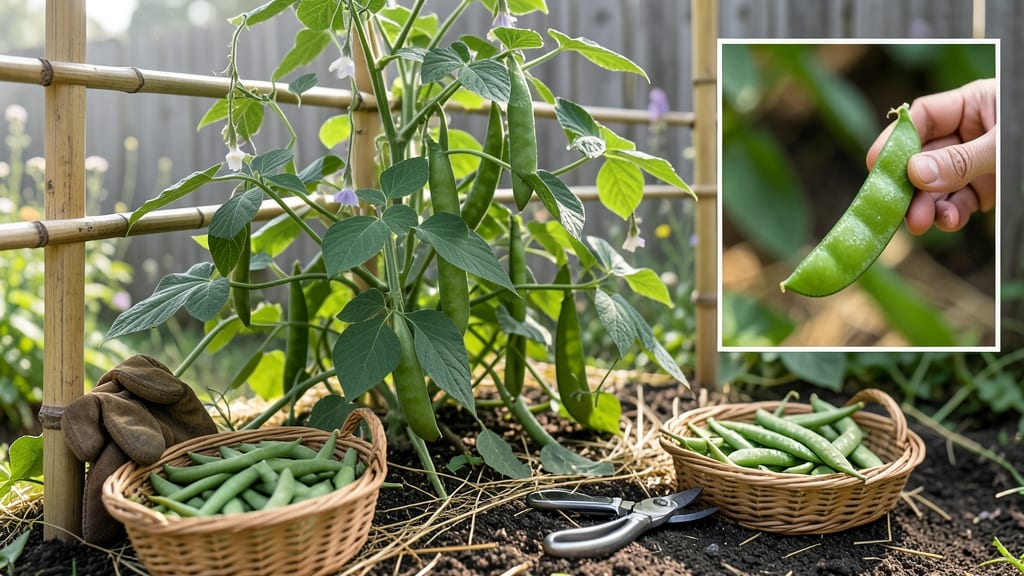
To pick beans from your garden at their peak, watch for pods that are 4–6 inches long and still tender—waiting too long turns them into tough, stringy messes.
I’ve stood in the garden staring at rows of green beans, wondering if they’re ready, only to pull one and realize it’s still too small or already past its prime.
The difference between a crisp, sweet bite and a chewy disappointment comes down to timing—and these three visual cues will never let you down again.
Environmental factors like heat waves or late-season rains can speed up maturity, so check your beans every 2–3 days once they start flowering. Skipping even a few days risks overmaturity, when seeds bulge and pods toughen up.
Below, I’ll break down the exact signs to look for, how often to harvest for maximum yield, and what to do if you’ve missed the window. By the end, you’ll know exactly when to reach for those pods—and when to stop.


3 Visual cues to determine perfect green bean harvest time
Harvesting green beans at the right moment transforms your garden into a flavor factory. The difference between tender, sweet pods and woody, bitter beans often comes down to timing.
I’ve learned that even a day too late can turn your harvest into disappointment—so let’s focus on the visual clues that scream "pick me!" before they become overripe.
Green beans are one of those crops where appearance is everything. Unlike tomatoes or peppers, you can’t rely on color alone—you need to check three key visual cues.
These signs work together like a recipe: get them right, and you’ll enjoy beans that are crisp, flavorful, and perfect for fresh eating, freezing, or canning. Miss them, and you’ll be left with tough, stringy pods that even the best recipe can’t save.
Here’s the secret: the ideal harvest window is brief but predictable. Once beans pass their prime, they’ll start converting sugars into starches, making them less sweet and more fibrous. That’s why I always keep a small basket nearby and check my plants every 2-3 days during peak season.
The sooner you spot these cues, the sooner you’ll be enjoying homegrown beans at their best.
- 1 Pod Size (4-6 inches): The sweet spot for most green bean varieties is when pods reach 4-6 inches long. At this stage, they’re fully developed but still tender. Measure a few pods—if they’re shorter than your palm, give them more time. If they’re longer, you’ve missed the window!
- 2 Seed Visibility (Just Peeking): Look inside the pod—you should see tiny seeds but not fully formed ones. If seeds are barely visible or still translucent, the beans need more time. If seeds are large and bulging, the pod has passed its prime and will taste bitter. This is your sweet spot for flavor!
- 3 Color & Gloss (Bright Green): Mature green beans should be uniformly bright green with a slight gloss. If pods start turning yellow or brown at the seams, they’re overripe. A dull, matte finish is another red flag—it means the beans have lost moisture and crispness. Always pick in the morning when beans are at their freshest.
Let me share a pro tip I picked up from my neighbor’s garden: snap test. Gently bend a bean pod—if it snaps cleanly with a slight crack, it’s ready.
If it bends without resistance, it’s underripe. If it feels tough and resists, it’s past its prime. This quick check saves me from harvesting beans that aren’t quite there yet.
One year, I ignored these cues and waited too long to pick my Blue Lake beans. By the time I noticed the pods turning yellow, they were tough and stringy. I learned that consistency is key—checking plants daily during peak season ensures you never miss the sweet spot.
Now, I set a reminder on my phone for harvest days to stay on track.
Don’t forget that variety matters. Bush beans and pole beans have slightly different ideal harvest times. For example, Roma beans (flat green beans) are best picked when they’re 3-4 inches long, while contender beans can wait until they’re 6-7 inches.
Always check the seed packet for variety-specific guidance, but these visual cues will work for 90% of green beans.
Overripe beans aren’t just tough—they steal energy from new pods. When beans stay on the vine too long, the plant shifts resources to seed development, reducing your overall yield.
That’s why I make it a habit to harvest every 2-3 days during peak production. This keeps the plant focused on growing new beans instead of maturing old ones.
If you’re growing green beans in hot climates, watch for accelerated growth. Heat can cause beans to mature faster, so check plants daily during summer heatwaves.
In cooler regions, you might have a longer window, but don’t let pods grow beyond 6 inches—even in cooler weather, they’ll start to toughen up.
Here’s one final trick: harvest in the morning. Beans are at their crispest and most flavorful after a cool night. Plus, picking early means you can enjoy them fresh or preserve them right away.
I always harvest my beans first thing in the morning, rinse them quickly, and either eat them immediately or store them in the fridge for up to 5 days.
How often you should pick green beans for maximum yield
Harvesting green beans at the right frequency isn’t just about timing—it’s about encouraging your plants to produce more. When you pick beans consistently, you signal the plant to focus energy on new growth rather than letting pods mature into tough, dry seeds.
My best-performing plants yield 30-50% more when harvested every 2-3 days during peak production.
Think of it like pruning: removing spent flowers on tomatoes or pinching back basil. For green beans, the goal is to keep the plant actively flowering and producing.
If you wait too long, those crisp pods turn woody, and the plant shifts resources toward seed development—leaving you with fewer harvests overall. Even 1-2 missed pickings can reduce future yields by up to 25%.
Key Harvesting Timeline for Green Beans
| Stage | Action |
|---|---|
| First Harvest | When pods reach 4-6 inches and snap crisply |
| Peak Production | Pick every 2-3 days for 4-6 weeks |
| Slowing Down | Reduce to every 4-5 days when pods thicken |
| End of Season | Stop harvesting 4-6 weeks before frost to preserve energy |
Start with daily pickings when your plants first produce pods, then adjust to every 2-3 days once they’re established. I’ve found that morning harvests work best—the pods are crispest after overnight cooling, and you avoid the afternoon heat stress that can make them tough.
Use sharp pruning shears or scissors to snip stems cleanly, which prevents disease entry points.
Watch for seed development as your cue to slow down. When seeds inside the pods become obvious but not fully formed, it’s time to reduce harvesting frequency. At this stage, the plant is prioritizing seed production over new pods.
If you see dry, brown pods or seeds pushing against the skin, you’ve waited too long—those beans will be stringy and bitter.
By late summer, as temperatures rise and daylight shortens, your plants will naturally slow production. This is your signal to stop harvesting entirely about 6 weeks before frost. Letting a few pods mature lets the plant store energy for next year’s growth.
In my zone 6a garden, I aim to finish harvesting by early September to give plants a strong finish before the first frost.
Pro tip: Container-grown beans need even more frequent attention—check them daily since they produce more intensively in limited space. And always harvest in the shade if possible to preserve freshness until you’re ready to use or store them.
A quick rinse and paper towel pat dry keeps them crisp for up to a week in the fridge.