
Picking
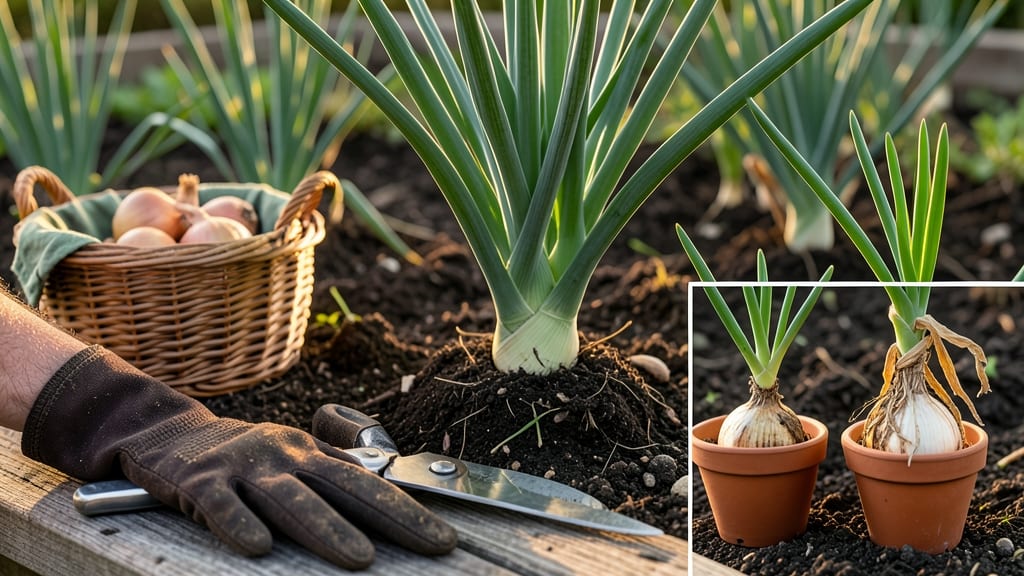
Harvesting onions from the garden at the right time ensures sweet, flavorful bulbs that store well—miss it, and you risk tough, pungent, or rotting harvests.
Picture this: you’ve nurtured your 🧅 plants all season, only to pull them too early and end up with small, watery onions, or wait too long and get tough, stringy messes. The difference between success and disappointment often comes down to knowing the exact moment to dig.
Most gardeners in USDA Zone 6a can expect to harvest between late summer and early fall, but the real clues are in the leaves and bulbs. Learn the three foolproof signs—from leaf color to bulb firmness—that tell you it’s time to pull, plus how to adjust for your local climate.
Inside, I’ll walk you through the step-by-step process, including how to cure and store your harvest for months (or even years) of pantry-friendly onions. No more guessing—just perfect timing every time.


3 Clear visual and physical signs your onions are ready to harvest
Harvesting onions at the right time ensures sweet, flavorful bulbs that store well—miss the window, and you risk tough, pungent, or rotting onions. The key is watching for these three clear visual and physical signs that your onions are begging to be pulled from the soil.
First-time growers often struggle to tell when onions are perfectly ripe versus overripe or underripe. The difference between a mild, sweet onion and a bitter, stringy mess often comes down to timing. Let’s break down the exact cues to look for in your garden.
🌱 3 Signs Your Onions Are Ready to Harvest
-
1. Tops Turn Yellow and Flop Over
The green tops of mature onions will yellow and dry out, eventually falling over. This signals the bulb has stopped growing upward and is ready for harvest.
-
2. Bulbs Feel Firm and Dry
Gently squeeze the bulb in your hand. If it feels firm and dry (not soft or mushy), it’s time to harvest. A thin, papery skin will also form around the bulb.
-
3. Neck Shrinks and Tightens
The stem (neck) above the bulb will shrink and tighten, creating a clear separation point. This is your final cue that the bulb is fully mature.
If your onion tops are still green and upright, the bulb likely isn’t fully mature yet. Waiting too long, however, can lead to bolting (flowering) or sprouting, which ruins storage quality.
For storage onions, aim to harvest before the first frost—typically in late summer to early fall.
For green onions (scallions), the rules are different: harvest when the greens reach 6-8 inches tall, regardless of bulb size. But for storage varieties, those three key signs above are your golden ticket to perfect onions.
One common mistake is harvesting too early, which results in small, pungent bulbs that won’t store well. Conversely, waiting too long can cause the bulbs to split or rot in the ground. Pay close attention to the neck shrinking—this is your last chance to salvage a great harvest.
After pulling onions from the soil, trim the roots and tops, then let them cure in a dry, shady spot for 2-3 weeks. This step is crucial for long-term storage and prevents mold.
Store cured onions in a cool, dark place with good airflow for up to 6 months.
Regional differences matter too. In warmer climates, onions may mature earlier, while cooler regions might need an extra week or two. Always check the variety’s days to maturity on the seed packet for a general timeline.
Now that you know the signs, grab your gardening gloves and head outside. The sooner you harvest at the right moment, the sweeter (and longer-lasting) your onions will be! 🧅
Harvest timing by onion variety: green vs. storage onions compared
Not all onions play by the same rules when it comes to harvest timing. Green onions (scallions) and storage onions (yellow, red, white) have completely different readiness cues. Understanding these differences ensures you enjoy peak flavor and long-term storage success without wasting a single bulb.
Let’s break down when to pull each type for the best results.
For green onions, the harvest window is much shorter and more frequent. These varieties are typically harvested when they reach 6-12 inches tall and develop tender white bulbs at the base.
Unlike storage onions, they don’t need to mature fully—they’re all about that fresh, mild flavor while the leaves are still crisp. You can even snip just the outer leaves and let the plant regrow for multiple harvests.
Storage onions, on the other hand, require patience. These bulbs need time to develop a thick, dry papery skin and a shrinking neck before they’re ready for harvest. Waiting too long can lead to bitter, pungent flavors, while harvesting too early means soft, poor-keeping bulbs. The ideal moment is when 50-60% of the tops yellow and flop over, signaling the bulb is fully matured and ready for curing.
| Onion Type | Harvest Time | Bulb Size | Neck Thickness | Leaf Color | Best Use |
|---|---|---|---|---|---|
| Green Onions (Scallions) | 6-12 inches tall | Small, tender bulbs | Thin, no neck shrinkage | Green, upright | Fresh cooking, regrowth |
| Storage Onions (Yellow, Red, White) | Late summer/early fall (80-120 days) | 2-3 inches diameter, firm | Shrunken, papery | Yellow/brown, flopping | Long-term storage, curing |
If you’re growing green onions for fresh use, you can harvest them every 2-3 weeks throughout the growing season. Simply snip the outer leaves about 1 inch above the soil, leaving the roots intact. This method lets you enjoy a steady supply without waiting for full maturity.
For storage onions, timing is critical—harvest too early, and the bulbs won’t store well; wait too long, and they’ll split or become tough.
One key difference is the neck thickness. In storage onions, a shrunken, papery neck is a dead giveaway that the bulb is ready. For green onions, the neck remains thick and green, indicating they’re best used fresh.
Pay attention to these visual cues to avoid common mistakes, like harvesting storage onions too soon or missing the sweet spot for green onions.
For regional variations, northern gardeners should aim to harvest storage onions before the first frost, while southern growers have more flexibility. Green onions, however, can often survive light frosts and may even taste sweeter after a light freeze.
Always prioritize dry weather for harvesting to prevent rot and ensure a smooth curing process for storage onions.
Mastering the harvest timing for both types ensures your garden delivers flavorful, long-lasting onions all season long. Whether you’re snipping scallions for salads or curing yellow onions for winter storage, these tips will help you make the most of your hard work.