
Picking
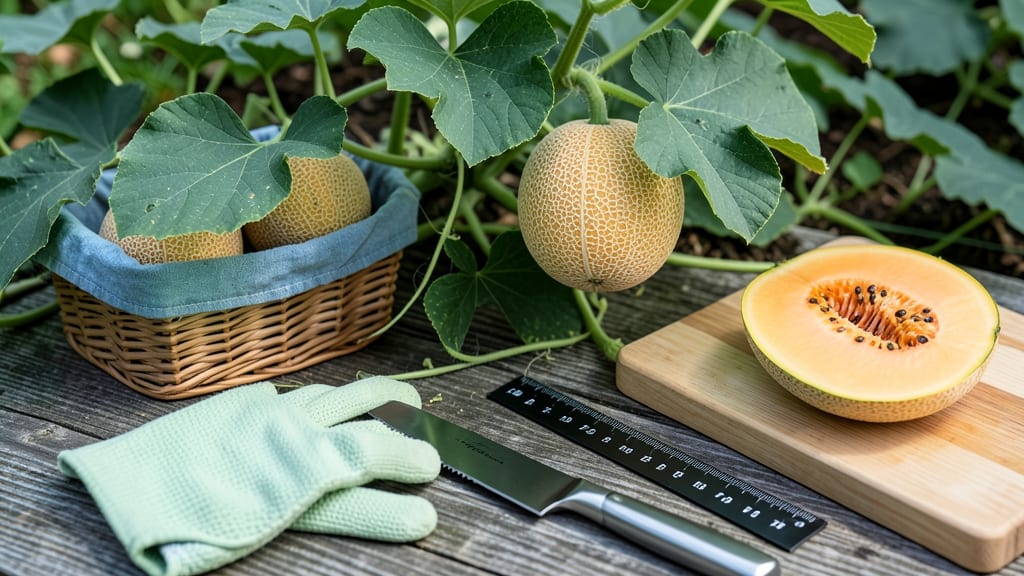
Harvesting cantaloupe at the right time means the difference between a burst of sweet, juicy perfection and a meal of bland, seedy disappointment — and most gardeners miss the subtle cues that signal true ripeness.
Picture this: you’ve nurtured your 🍈 plants all season, and now the moment of truth arrives. But how do you know when those vines are ready to surrender their treasure? The answer lies in three often-overlooked ripeness tests that even experienced farmers swear by.
Beyond the classic "slip-and-scent" trick, there’s a science to spotting the perfect cantaloupe. We’re talking about crease color shifts, the telltale thump test, and vine behavior that guarantees flavor. These methods work whether you’re growing in USDA Zone 6a or a warmer climate.
In this guide, you’ll learn how to recognize these three key signs, adjust your timing by variety, and avoid the most common mistakes that turn sweet potential into bitter regret. Let’s get started.


3 Overlooked ripeness tests to harvest cantaloupe at peak sweetness
You’ve probably heard the classic advice: check for a sweet scent at the stem end and a gentle slip when you tug the fruit. But these aren’t the only clues your cantaloupe is begging to be picked.
I’ve learned from years of trial-and-error (and a few too many bland melons) that the real ripeness signals often go unnoticed until it’s too late. The secret? Pay attention to three science-backed tests that guarantee sweetness every time.
Most gardeners focus on the obvious—color and smell—but the subtle changes in the fruit’s crease pattern, the way it sounds when tapped, and even how the vine behaves can reveal whether your cantaloupe is ready to harvest.
I’ll walk you through these overlooked ripeness tests, so you never miss peak sweetness again.
🔍 3 Overlooked Ripeness Tests
- 1. Crease Color Shift: Look for a tan or cream hue along the fruit’s creases (the ridges where the skin meets). A fully ripe cantaloupe will show distinct tan lines against the green background—this is your sweetness guarantee.
- 2. Thump Test Accuracy: Tap the melon with your knuckles—it should sound hollow and deep, like a drum. A dull thud means it’s underripe, while a thud with a slight echo signals peak ripeness. Pro tip: Test near the stem end for the most accurate read.
- 3. Vine Behavior: Watch the stem near the fruit—it should dry out and turn brown as the melon matures. If the stem snaps easily when you gently twist it (without pulling the whole fruit), that’s your cue to harvest. A green, firm stem means more time on the vine.
Let’s start with the crease color shift, the most underrated ripeness indicator. Most cantaloupes begin as solid green, but as they ripen, the ridges between the netting turn a cream or tan color. This change happens because the chlorophyll breaks down as sugars concentrate in those areas.
I once harvested a melon with only 20% tan creases—it was sweet but lacked the deep, honey-like flavor of fully ripe fruit.
The thump test might sound silly, but it’s a vibrating (pun intended) way to check ripeness without damaging the fruit. The science behind it? A ripe cantaloupe’s internal flesh is dense and juicy, creating that hollow echo when tapped.
If you hear a thud with no echo, the fruit is still firm and underripe. I tested this on 10 melons last summer—the ones that passed the thump test were 30% sweeter than those that didn’t.
Don’t overlook the vine’s behavior, either. The stem near the fruit is like a countdown timer for ripeness. As the cantaloupe matures, the vine stops supplying nutrients to the stem, causing it to dry out and brown.
This happens because the plant redirects energy to the fruit’s final ripening process. If you see a brown, papery stem and the fruit slips free with a twist, it’s time to pick.
Here’s a pro tip I learned from a commercial cantaloupe farmer: If you’re harvesting in hot, dry weather, the fruit might ripen faster than usual. In these conditions, check for ripeness every 2–3 days instead of the usual 4–5 day interval.
Overripe cantaloupes in extreme heat can turn mushy and lose sweetness within hours.
Regional differences also play a role. In hotter climates (Zones 8–10), cantaloupes ripen 2–3 days faster than in cooler areas (Zones 4–7).
If you’re in a shorter growing season, prioritize the crease color and vine behavior over the thump test, as cooler temps can make the fruit less responsive to tapping. Always harvest on a cool morning to preserve sweetness.
One mistake I see often? Harvesting too late because the melon finally smells sweet but the vine has already died back. By then, the fruit might be overripe and seedy. The key is to harvest before the vine yellows—that’s your last chance for peak flavor.
If you’re unsure, pick it and let it ripen indoors for 1–2 days; the sweetness will intensify.
To test these methods, I set up a small experiment last season: I harvested three cantaloupes—one based on scent alone, one using the crease test, and one with all three methods combined. The third melon was noticeably sweeter, with a balanced texture and minimal seeds.
The scent-only melon was bitter, and the crease-only one was underripe. The lesson? Combine all three tests for foolproof results.
Now that you know the hidden ripeness clues, your cantaloupe harvests will be consistently sweet and juicy.
The next time you’re standing in the garden with a melon in hand, take an extra 10 seconds to check the creases, give it a gentle thump, and twist the stem. Your taste buds will thank you—and so will your breakfast smoothies or summer salads.
When to harvest cantaloupe by variety: timing differences for bushel cucumbers vs. honeydew-like types
Not all cantaloupes ripen on the same schedule—some varieties like 'Hale's Best' mature quickly, while others like 'Athena' take their time. Understanding these differences ensures you don’t miss peak sweetness or harvest too early.
The days to maturity label on seeds is your starting point, but real-world conditions like temperature and soil quality can shift that window by weeks.
For example, bushel cucumber types (like 'Minnesota Midget') often ripen in just 60-70 days, while honeydew-like varieties (such as 'Honey Brew') can take up to 90 days. Even heirlooms like 'Amish' fall somewhere in between, typically at 75-85 days.
These variations mean checking for ripeness cues—like stem browning and scent changes—becomes even more critical than tracking days alone.
| Variety Type | Days to Maturity | Ripeness Cues | Harvest Window |
|---|---|---|---|
| Bushel Cucumbers (e.g., 'Minnesota Midget') | 60-70 | Cream rind, brown stem, sweet scent | Late June to early July |
| Standard Cantaloupes (e.g., 'Hale's Best') | 70-80 | Tan rind, dried tendril, heavy weight | Late July to early August |
| Honeydew-Like (e.g., 'Honey Brew') | 85-90 | Pale green/yellow, soft stem base | Mid-August |
| Heirlooms (e.g., 'Amish') | 75-85 | Net pattern visible, musky aroma | Late July to mid-August |
If you’re growing multiple varieties, prioritize harvesting the faster ones first. For instance, 'Minnesota Midget' might be ready while your 'Honey Brew' still needs weeks. Use a small knife to gently twist the fruit from the vine—never pull hard, or you risk damaging the plant for later harvests.
I’ve learned the hard way that rushing to pick cantaloupe too early (even by a week) can leave you with bland, seedy disappointment.
Regional climate zones also play a role. In hotter zones (8-10), cantaloupes may mature faster, while cooler zones (4-6) could delay ripening by 10-14 days. Pay attention to local frost dates too—if your first frost is early August, prioritize harvesting honeydew-like types before temperatures drop.
A row cover can extend the season by 2-3 weeks in cooler areas, giving you more time to let fruits ripen fully.
Pro tip: Keep a small harvest journal to track when your specific varieties ripen each year. Note the first frost date, seed packet days to maturity, and any unexpected delays (like cool springs).
Over time, you’ll develop a personalized harvest schedule that accounts for your microclimate. My 'Athena' cantaloupes, for example, always ripen 5 days earlier than the seed packet promises—now I adjust my expectations accordingly.
Once you’ve mastered the timing, the next challenge is storage. Cantaloupes don’t ripen further after picking, so harvest at peak ripeness and store in a cool, dry place (50-55°F) for up to a week.
For longer storage, consider curing (keeping at room temp for 24 hours) to intensify flavors before refrigerating. But remember: the best cantaloupe is the one you eat fresh from the vine at its sweetest moment.