
Fertilization
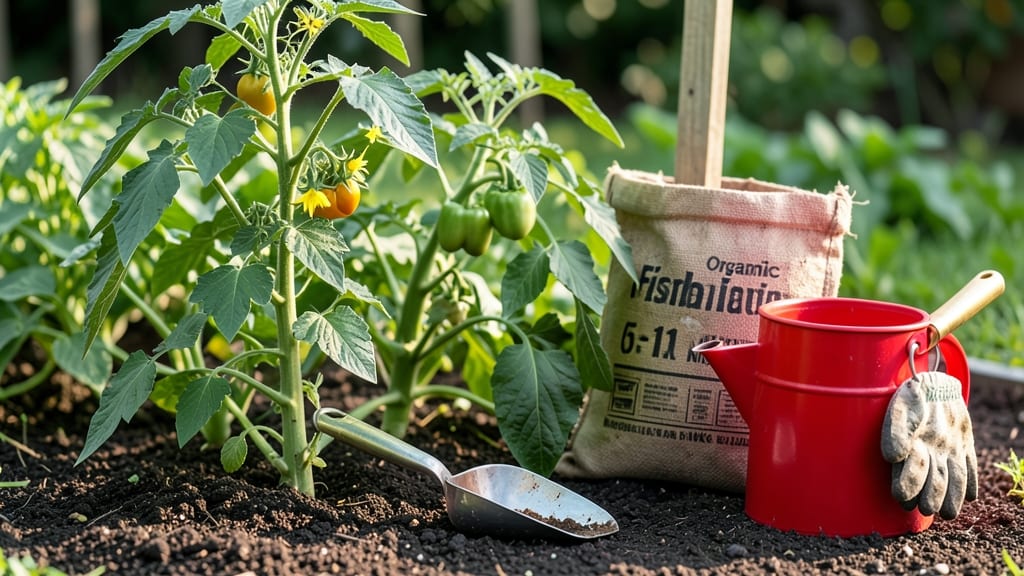
To fertilize your veg garden at the right times means the difference between lush, productive plants and stunted, struggling crops — and most gardeners get it wrong.
Timing matters more than you think: feed too early, and you waste nutrients; wait too long, and your plants play catch-up all season.
The key is matching fertilizer to your garden’s growth stages, from pre-planting to fruiting, while accounting for seasonal shifts like spring’s burst of energy or fall’s root-building needs.
In this guide, I’ll break down the exact spring and fall fertilization windows for your 🌱 vegetable garden, including when to test your soil, which nutrients to prioritize, and how to avoid overfeeding.
Whether you’re a beginner or a seasoned gardener, these science-backed schedules will help you grow stronger plants with bigger harvests.
You’ll also get a seasonal cheat sheet for common vegetables, so you can feed your tomatoes, peppers, and greens at the perfect moments — no guesswork required.

Spring fertilization schedule for vegetable gardens: pre-planting & early growth stages
Spring is the most critical time to fertilize your vegetable garden, but timing matters more than most gardeners realize. Leafy greens and fruiting plants have different needs, and overfeeding can burn tender roots. I’ve learned that a two-step approach—pre-planting and early growth—yields the best results without waste.
Before you even plant, test your soil with a simple kit (costs under $10).
This tells you if your soil is nitrogen-deficient (common in spring) or needs phosphorus for root growth. Organic compost or a balanced 10-10-10 fertilizer works for most gardens, but fruiting plants like tomatoes crave extra phosphorus (try a 5-10-10 blend).
Here’s the golden rule: Apply half your fertilizer at planting, then wait 4-6 weeks before feeding again. This mimics nature’s slow nutrient release and prevents root burn. For example, my spinach thrives with a light nitrogen boost at planting, while peppers need phosphorus-rich food when transplanting.
🌱
| Stage | Action | Fertilizer Type | Notes |
|---|---|---|---|
| Pre-Planting (2-4 weeks before last frost) | Soil test + amend with compost | Organic compost or 10-10-10 | Avoid synthetic fertilizers early |
| At Planting (Cool-season crops) | Apply 50% of fertilizer | High-nitrogen (e.g., 20-0-0) | Leafy greens: spinach, kale |
| At Planting (Warm-season crops) | Apply 50% of fertilizer | Balanced or phosphorus-rich (5-10-10) | Tomatoes, peppers, squash |
| 4-6 Weeks After Planting | Top-dress with remaining 50% | Slow-release organic or 10-10-10 | Avoid contact with stems |
| Early Flowering Stage | Side-dress with compost tea | Potassium-rich (e.g., 0-0-50) | Fruiting plants only |
For cool-season crops like lettuce and peas, focus on nitrogen-rich fertilizers early to boost leaf growth. My pea plants nearly doubled in size after a fish emulsion feed at planting.
Meanwhile, warm-season crops need phosphorus to establish strong roots before flowering. I swear by bone meal for tomatoes—it’s organic and packed with phosphorus.
One mistake I made early on was fertilizing too soon. Cold soil (below 50°F) locks out nutrients, wasting your money. Wait until soil warms and plants show new growth before feeding again.
A simple trick: Press your hand into the soil—if it feels cool to your wrist, wait a few more days.
Organic options like worm castings or alfalfa meal release nutrients slowly, reducing the risk of overfeeding. I’ve seen synthetic fertilizers burn my basil leaves within days, while organic blends keep plants happy for weeks. For container gardens, use half the dose—roots have less room to absorb nutrients.
Watch for these visual cues: Yellowing leaves? Likely nitrogen deficiency. Purple stems? Your plants need phosphorus. Adjust your next feed based on what your garden tells you. My cucumbers always perk up after a potassium boost when flowers appear.
🌿
Pro tip: Water deeply before fertilizing to help nutrients reach roots. I set a timer for 15 minutes of soaking before applying fertilizer, especially in sandy soil where nutrients wash away quickly. And always mulch after feeding—it locks in moisture and keeps roots cool.
Remember, less is more in spring. Overfeeding now leads to weak stems and fewer harvests later. Start light, observe your plants, and adjust. Your vegetable garden will thank you with bigger yields and healthier plants all season.
☀️
Fall fertilization strategies to strengthen roots & prepare for winter
As summer winds down, your vegetable garden still has time to benefit from a strategic fall fertilization boost. Unlike spring feeding, which focuses on rapid growth, fall fertilization prioritizes root development and nutrient storage for next year's harvest.
This late-season feeding helps plants withstand winter stress and bounce back stronger in spring.
Many gardeners skip fall fertilization, assuming plants are slowing down. But the 4-6 week window before your first frost is perfect for applying slow-release fertilizers. These nutrients break down gradually, feeding roots throughout winter and jumpstarting growth in spring. Think of it as a nutrient insurance policy for your garden.
⚠️ callout-warning ⚠️
Don't fertilize too late in the season—stop 4-6 weeks before frost. Late applications can stimulate tender new growth that won't survive winter. Also, avoid high-nitrogen fertilizers in fall, as they promote leafy growth over root development. Instead, opt for balanced or phosphorus-rich fertilizers (like 5-10-10) to strengthen roots.
For best results, focus on phosphorus and potassium—the "PK" in NPK ratios. Phosphorus (P) promotes root growth and flowering, while potassium (K) helps plants resist diseases and cold stress.
Look for fertilizers labeled 5-10-10 or 10-20-20 for this ideal balance. Organic options like bone meal or composted manure also work well and improve soil structure over time.
Timing is everything: aim to fertilize in late August or early September in most climates. This gives plants enough time to absorb nutrients before dormancy sets in. Water thoroughly after applying fertilizer to help nutrients penetrate the soil.
For container-grown vegetables, reduce fertilizer amounts by half since roots are more concentrated and prone to burning.
Don't forget to pair fertilization with mulching. A 2-3 inch layer of straw or shredded leaves insulates roots, retains moisture, and slowly releases nutrients as it breaks down.
This dual approach—fertilizing and mulching—creates a protective shield for your plants, ensuring they enter winter with a strong foundation for next year's growth.
By investing just a little time in fall fertilization, you'll reward yourself with healthier plants, bigger yields, and easier maintenance in the following season. It's one of the most overlooked yet effective strategies for long-term garden success.