
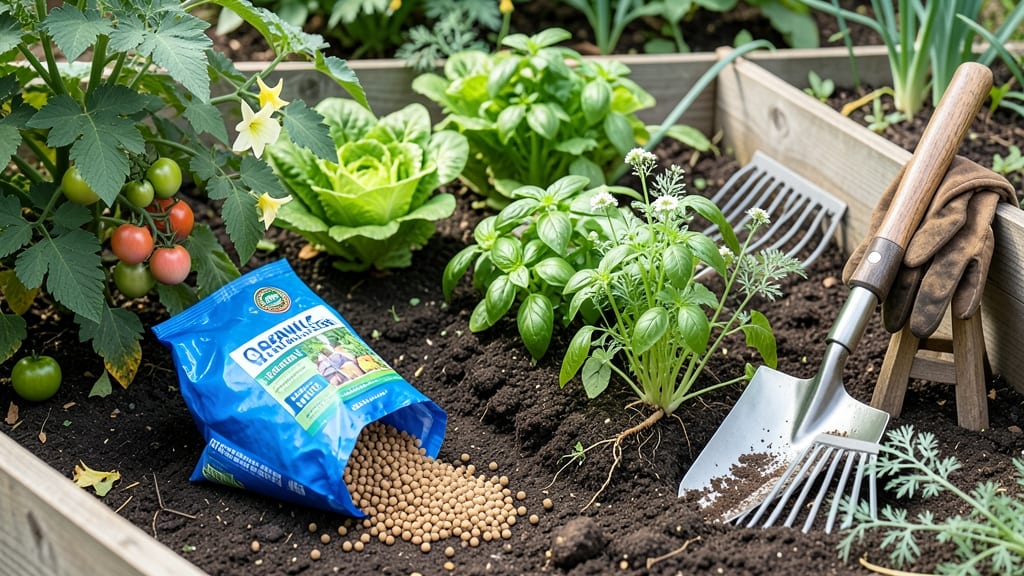
When Should I Fertilize My Garden: Seasonal Schedule for Stronger Roots and Bigger Yields

Fertilization

When Should I Fertilize My Garden: Seasonal Schedule for Stronger Roots and Bigger Yields

Should I fertilize my garden now, or am I wasting nutrients my plants won’t use?

Timing your garden fertilization isn’t just about throwing down nutrients—it’s the difference between wilted plants and a thriving harvest. But when exactly should you fertilize for maximum impact? For Zone 6a gardens like yours, the answer depends on whether you’re planting spring vegetables or nurturing established flowers and shrubs.

Most gardeners make the mistake of fertilizing too early in spring, when cool soil slows nutrient uptake. Instead, wait until after your last frost—around April 15—when soil temperatures hit 60°F.

This is when your 🌱 garden truly wakes up, ready to soak up phosphorus for roots and nitrogen for leaves.

Below, I’ll break down the exact month-by-month schedule for your region, plus how to adjust for organic vs. synthetic fertilizers and when to stop feeding before fall dormancy. No more guesswork—just stronger roots and bigger yields.

✨ ⭐ ✨
🌱 Garden Fertilizer Guide
📅
Best Time Early morning
🧪
NPK Ratio 10-10-10 (Balanced) (Balanced)
📏
Amount 1 tbsp per plant or 1 cup per 10 sqft

Seasonal fertilization schedule by plant type: when to feed for peak growth

Fertilizing your garden at the right time ensures your vegetables, flowers, and lawns get the nutrients they need—without wasting resources. Unlike guesswork, a seasonal schedule maximizes growth, boosts yields, and prevents nutrient burnout.

I’ve broken down the best times to fertilize based on plant types, so you can feed your garden like a pro.

Most gardeners focus on spring and summer fertilization, but fall and winter can also play key roles. For example, cool-season crops like lettuce and spinach need a light feed in early spring, while warm-season plants like tomatoes and peppers thrive with mid-summer boosts.

Lawns, on the other hand, often need three key feedings per year—early spring, late spring, and fall.

Here’s a month-by-month guide tailored to your garden’s needs, including when to prep soil, apply starter fertilizers, and give mid-season boosts. Whether you’re growing annual flowers, perennial shrubs, or a vegetable patch, timing is everything.

Signs your garden needs fertilizer (and when to avoid it)

Your garden tells you exactly when it’s hungry—you just need to know what to look for. Yellowing leaves, stunted growth, or pale stems are classic cries for help, but they’re not the only clues.

Even healthy-looking plants can suffer from over-fertilizing, which burns roots and stresses your soil. The key is reading these signs before they become problems.

First, check the leaf color. Yellowing between veins (chlorosis) often signals nitrogen deficiency, while purple or red stems may mean phosphorus is lacking. Brown leaf tips or crispy edges, however, could indicate over-fertilization—especially if paired with white crust on soil.

These visual cues help you decide whether to feed or hold off.

🚨

⚠️ WHEN SHOULD I FERTILIZE MY GARDEN?

Feed now: If you see slow growth, small leaves, or weak stems—especially in spring or early summer when plants are actively growing. Vegetables like tomatoes and peppers, or flowers like marigolds, thrive with monthly feedings during their peak season.

Avoid fertilizing: If soil smells sharp or chemical-like, or if leaves curl and brown after feeding. Dormant plants (like perennials in winter) or newly transplanted seedlings (first 2 weeks) need rest—not nutrients.

Pro Tip: Test soil pH first! Acid-loving plants (like blueberries) need low-pH fertilizers, while alkaline soils may need lime adjustments before feeding.

Don’t ignore root health, either. Dig up a small sample of roots to check for white, fibrous growth (healthy) or black, mushy roots (rot from over-fertilizing). Fungal growth at the soil line is another red flag—too much fertilizer disrupts beneficial microbes and invites pests.

If you spot white mold or slimy soil, pause feeding immediately.

Season matters too. Early spring is prime time for pre-planting fertilizer to jumpstart growth, while late summer feedings help recover after harvest. But fall and winter are off-limits—plants conserve energy during dormancy, and extra nutrients can encourage weak, frost-sensitive growth.

Always align feeding with your plant’s natural cycle.

For container gardens, watch for nutrient depletion faster than in-ground beds. Potted herbs or vegetables may need feeding every 3-4 weeks, but overwatering + fertilizing leads to root rot.

Use a slow-release fertilizer or liquid feed diluted to half-strength to avoid shocking roots. Flowering plants often need a phosphorus boost (look for a high middle number on NPK labels) to produce vibrant blooms.

Remember: Less is often more. A light feeding every 6 weeks beats a heavy dose that burns roots.

If your garden looks lush but lacks flowers or fruit, it’s time to adjust your fertilizer ratio—maybe it needs more potassium (the last NPK number) for fruit development or micronutrients like magnesium for leaf health. 🌱

★★★★★4.8(4 reviews)
Categories Fertilization
Month Vegetables Flowers Lawns Notes
January None None None Dormant season; focus on soil prep.
February None None Light (if cool-season grass) Test soil pH; amend if needed.
March Light (compost or starter fertilizer) Light (bulb fertilizers) Early spring feed Prep beds; avoid heavy fertilizers.
April Feed (balanced 10-10-10) Feed (bloom booster) Second spring feed Best time for warm-season plants.
May Feed (high-phosphorus for fruiting) Feed (continuous bloomers) Summer feed (slow-release) Avoid late-season fertilizing for fall crops.
June Light (foliar spray) Light (maintenance) None (unless thin and patchy) Focus on watering, not fertilizing.
July Feed (potassium-rich for late harvests) Feed (deadhead + feed) None (unless stressed) Heat stress reduces nutrient uptake.
August Light (prep for fall crops) Light (late bloomers) Fall prep feed Stop fertilizing 6 weeks before frost.
September