
Planting
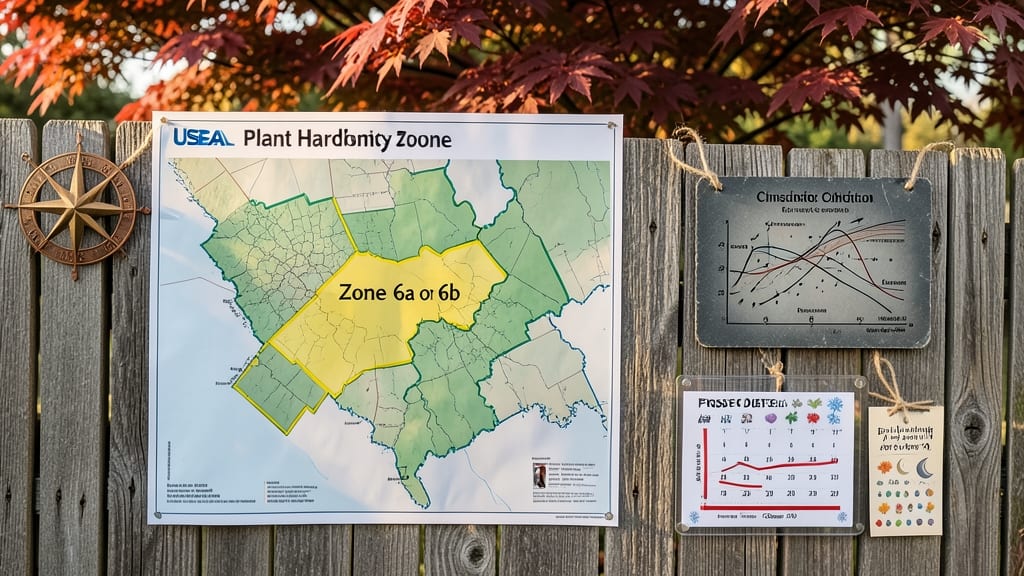
What gardening zone is Cincinnati, Ohio in? The city falls in USDA Plant Hardiness Zone 6a, where the last frost typically lingers until mid-April and the first frost arrives around mid-October.
If you're planning your Cincinnati garden but unsure which plants will thrive, knowing your USDA zone is the first critical step—because planting the wrong varieties can mean the difference between a lush garden and a season of disappointment.
This 6a-6b classification shapes everything from when you can safely plant tomatoes to which perennials will return year after year. The 165-day growing season gives you plenty of time for warm-season crops, but early starts require careful timing to avoid frost damage.
Below, I’ll break down how to use this zone info to pick the right plants, adjust for Cincinnati’s microclimates, and extend your growing season—so you can finally stop guessing and start growing with confidence.
Understanding Cincinnati’s USDA zone 6a-6b: key climate factors
Cincinnati sits squarely in the USDA Hardiness Zones 6a and 6b, where average minimum winter temperatures range from -10°F to 0°F (-23°C to -18°C).
This classification determines which plants can survive your local climate, making it essential for selecting cold-hardy varieties that will thrive in your garden beds and containers.
Knowing your zone helps you avoid costly mistakes like planting tender annuals too early or choosing perennials that won’t survive winter. For Cincinnati gardeners, this means focusing on plants that can handle late spring frosts and early fall chills while still producing abundant harvests during the 165-day growing season.
Here’s a quick breakdown of what this means for your planting schedule and plant choices:
| Climate Factor | Cincinnati Details | Gardening Impact |
|---|---|---|
| USDA Zone | 6a (-10°F to -5°F) / 6b (-5°F to 0°F) | Determines cold-hardy perennials and winter survival |
| Last Spring Frost | Around April 15 | Wait until after this date for frost-sensitive plants |
| First Fall Frost | Around October 15 | Plan harvests before this date for tender crops |
| Growing Season | 165 frost-free days | Ideal for warm-season crops like tomatoes and peppers |
| Average Summer High | 85-90°F (29-32°C) | Provides energy for rapid plant growth |
| Annual Rainfall | 40-45 inches | Supports lush gardens but requires good drainage |
The last spring frost date around April 15 signals when you can safely plant warm-season vegetables like tomatoes, peppers, and cucumbers. However, I always recommend waiting until mid-May for heat-loving plants to ensure no surprise frosts damage tender seedlings.
Cincinnati’s 165-day growing season gives you plenty of time for multiple harvests, but the early October frost means you’ll need to plan succession plantings for crops like lettuce and spinach. Cool-season crops actually thrive in these temperatures, so don’t rush to pull them!
Urban areas like downtown Cincinnati experience heat islands that can push temperatures 5-10°F higher than rural areas, creating microclimates where tender plants might survive slightly longer. Meanwhile, gardens in the northern suburbs may face earlier frosts. Always check your specific location’s frost dates using local weather resources.
For container gardeners, remember that pots warm up faster in sun and cool down quicker at night. This means your potted plants may need protection during late spring and early fall frosts, even if your in-ground plants are fine.
Use frost cloths or move containers to sheltered spots when nighttime temperatures drop below 32°F (0°C).
Understanding these climate factors helps you time your plantings perfectly. For example, I always plant cool-season crops like broccoli and kale in early spring and again in late summer for a fall harvest, while saving warm-season crops for after Memorial Day when the soil has fully warmed.
Don’t forget that Cincinnati’s humidity levels (averaging 75-80%) can create ideal conditions for fungal diseases. Proper spacing, good air circulation, and avoiding overhead watering will help keep your garden healthy throughout the growing season.
By aligning your planting schedule with these local climate patterns, you’ll maximize your garden’s potential and enjoy bountiful harvests all season long. Start by marking your calendar with the April 15 and October 15 frost dates—these will become your gardening guideposts! 🌱
Best plants for Cincinnati’s zone 6a-6b: seasonal planting calendar
Cincinnati’s Zone 6a-6b climate offers a 165-day growing season, perfect for a mix of hardy perennials and seasonal vegetables. The key is timing—plant cool-season crops early and warm-season varieties after your last frost date (April 15), while preparing for the first frost around October 15.
I’ve curated a seasonal calendar to help you maximize your garden’s potential year-round.
Spring is your busiest season in Cincinnati, with March-May ideal for planting everything from cool-loving veggies to perennial flowers. Summer (June-August) demands heat-tolerant varieties, while fall (September-October) lets you squeeze in another round of cool crops.
Let’s break down the best plants for each season and how to care for them.
🌱 Seasonal Planting Highlights for Cincinnati
- 🌱 Spring (March-May): Plant cool-season veggies (kale, peas, lettuce) and perennials (coneflowers, daylilies) after last frost. Mulch to retain moisture.
- ☀️ Summer (June-August): Focus on heat-loving crops (tomatoes, peppers, basil) and drought-tolerant perennials (lavender, sedum). Water deeply 2-3x/week.
- 🍂 Fall (September-October): Sow hardy greens (spinach, radishes) and bulbs (tulips, daffodils) 6-8 weeks before first frost. Add compost for spring prep.
- ❄️ Winter (November-February): Protect evergreens (pine, spruce) with burlap and mulch perennial bases. Prune dormant trees/shrubs in late winter.
- 🌳 Year-Round: Plant native trees (oak, maple) and shrubs (hydrangeas, boxwoods) for structure. Test soil pH (aim for 6.0-7.0) before planting.
For spring planting, start with cool-season vegetables like broccoli and carrots in early March. These thrive in Cincinnati’s 50-60°F soil and can handle light frosts.
Pair them with perennials like black-eyed Susans, which bloom from summer through fall. Mulch heavily to protect roots from temperature swings—a common challenge in Zone 6a.
Summer is all about heat-resistant varieties.
Plant tomatoes and peppers after Memorial Day, when soil temps consistently stay above 65°F. Drought-tolerant perennials like Russian sage and coneflowers need minimal water once established. Water at the base in the morning to prevent fungal diseases, which thrive in Cincinnati’s humid summers.
Fall gives you a second chance at leafy greens and root vegetables. Try spinach, radishes, and kale in September for harvests before frost. Bulbs like tulips should be planted by mid-October to naturalize. Divide perennials like daylilies in fall to rejuvenate their growth for next spring.
Don’t overlook winter prep. Evergreen trees like blue spruce provide year-round interest, while mulching perennial beds insulates roots from freezing. Prune fruit trees in late winter (February) to encourage strong spring growth. Even in winter, cover crops like clover can improve soil health for next year.
Pro tip: Use row covers to extend your growing season by 2-4 weeks in spring/fall. They protect tender plants from late frosts while letting sunlight and water through. For urban gardeners, container gardening with self-watering pots makes the most of limited space.