
Tools
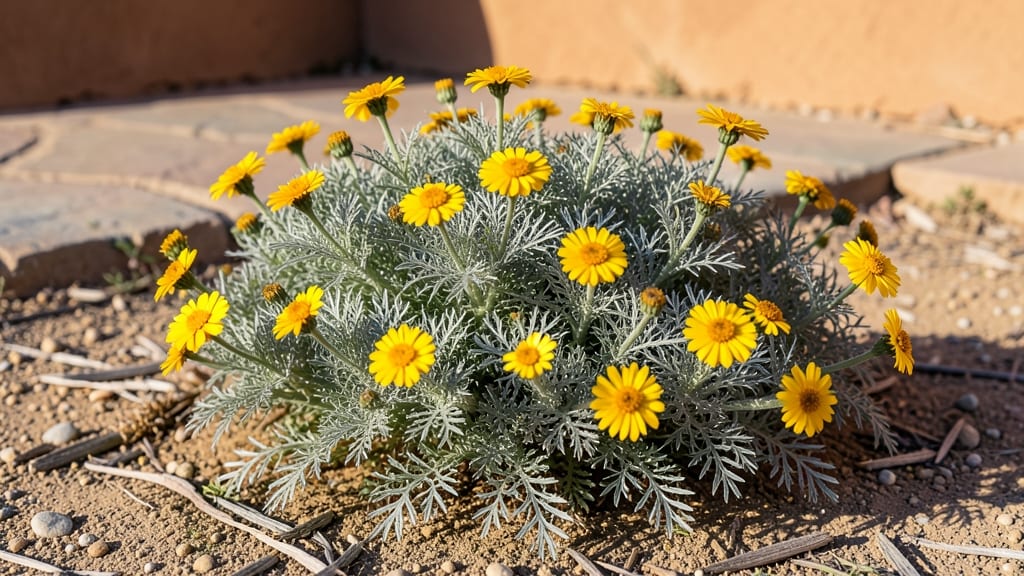
A Sunset Western Garden creates stunning landscapes in California’s diverse climates (Zones 1–24) by combining hardy natives like ceanothus and manzanita with Mediterranean-style plants. This design approach ensures beauty year-round while minimizing water use through smart layering and irrigation strategies.
A Sunset Western Garden isn't just about drought-tolerant plants—it's about creating a balanced ecosystem that thrives with minimal water. 🌵 The key lies in selecting native species that naturally adapt to local conditions, like toyon for structure or succulents for ground cover.
I've found that pairing these with seasonal bloomers creates continuous color while reducing maintenance. The real secret? Proper mulching and drip irrigation systems that deliver water directly to roots, cutting waste by up to 50%.
This style works particularly well in coastal areas where fog keeps roots cool, but inland versions need extra shade protection during summer months. The layering technique—combining tall grasses with mid-height shrubs and low-growing perennials—creates depth while preventing soil erosion.
For best results, I recommend starting with a 3-inch mulch layer and adjusting water schedules based on seasonal rainfall patterns.
💡 In This Article
- Understanding Sunset Western Garden Planting Zones
- Top Drought-Resistant Plants for Western Gardens
Understanding Sunset western garden planting zones
Sunset's planting zones (1–24) are based on temperature ranges and microclimates across California, where coastal areas like San Francisco (Zone 14–16) experience milder winters with summer fog, while inland regions like Sacramento (Zone 7–9) face hotter summers and colder winters. The key difference?
Coastal zones rarely drop below 30°F, allowing frost-sensitive plants like lavender and rosemary to thrive year-round, while inland zones may see 25°F dips, requiring cold-hardy species like manzanita or toyon. 🌿 These zones account for both average annual minimum temperatures and seasonal variations—critical for selecting plants that won't struggle during heatwaves or frost events.
The zone system also factors in elevation changes, where just 1,000 feet higher can shift a garden from Zone 16 to Zone 14.
For example, a backyard in Santa Barbara (Zone 17–24) might have a cooler microclimate near a north-facing wall, allowing you to grow agave or yucca successfully, while the sun-exposed south side could push temperatures into Zone 24 territory—ideal for cacti like prickly pear.
To navigate this, Sunset provides detailed zone maps that show how these microclimates overlap, helping you match plants to specific spots in your garden.
Seasonal temperature swings add another layer of complexity. Inland gardens (Zones 7–9) may see 90°F+ summers, while coastal areas (Zones 14–16) stay in the 70s°F range even in July. This means plants like ceanothus (which loves coastal conditions) will wilt in inland heat without extra shade or irrigation.
The solution? Use Sunset's zone maps to identify your exact microclimate, then cross-reference with plant tags that specify both zone ranges and sunlight needs—like 6+ hours of sun for succulents or partial shade for Mediterranean herbs.
What most gardeners overlook is how wind patterns affect plant selection. Coastal zones often experience strong, salty winds that can dry out leaves, while inland areas may have hot, dry Santa Ana winds in fall.
For instance, coastal sage (Zone 7–24) handles salt spray better than desert sage, which thrives inland but struggles near the ocean. Sunset's zone guides include wind exposure notes, helping you choose plants that won't brown or burn at the edges.
To put this into practice, start by measuring your garden's temperature extremes—use a minimum thermometer over winter and a maximum thermometer in summer. Compare these readings to Sunset's zone maps to pinpoint your exact microclimate.
For example, if your garden hits 28°F in winter but stays above 65°F in summer, you're likely in Zone 10, making bougainvillea or olive trees perfect choices. The goal is to avoid "borderline" plants that might survive but won't thrive—like growing lavender in Zone 8 without winter protection.
Pro tip: Use Sunset's "Plant Finder" tool to input your zone and sunlight conditions, then filter for drought-tolerant and native species. This tool accounts for all the variables—soil type, wind, and even humidity—saving you from trial-and-error planting.
For example, it might suggest California fuchsia for your Zone 14 coastal garden, noting it needs well-draining soil and morning sun to avoid leaf scorch. 🌸
Remember, even within a single zone, your garden's microclimate can vary dramatically. A north-facing slope might be 3°F cooler than the rest of your yard, while a south-facing wall could be 5°F warmer.
By understanding these nuances, you can create a Sunset Western Garden that's not just beautiful but also resilient—where every plant is in the right place to flourish.