
Pruning
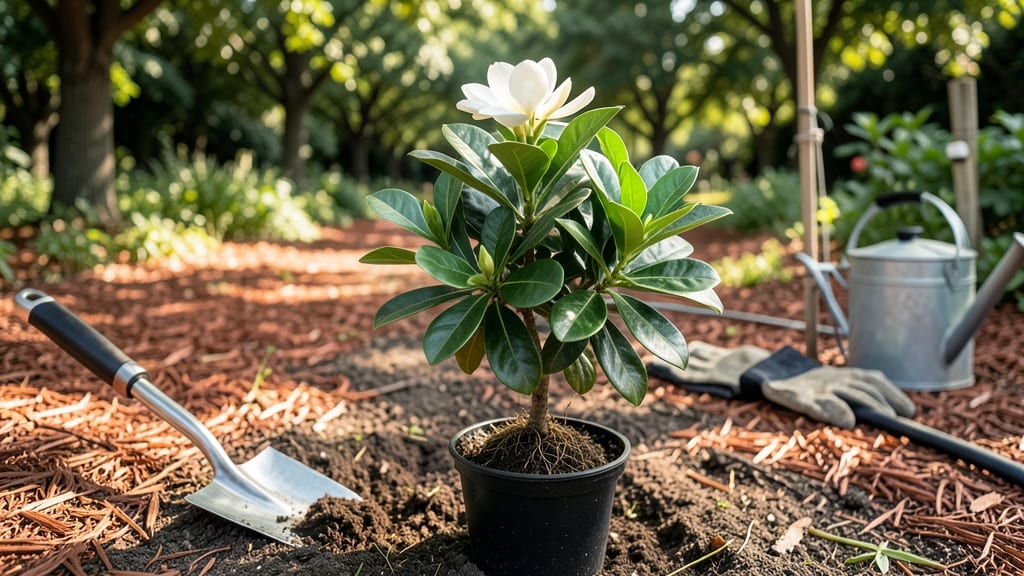
Planting a gardenia tree works best in spring or early fall when temperatures are moderate, using slightly acidic soil (pH 5.0-6.5) that drains well and receiving at least six hours of sunlight daily. This combination promotes strong root development and abundant blooming.
Gardenias thrive when planted during their natural dormancy periods, avoiding summer heat or winter frost that can stress young roots. 🌱 The right soil mix is crucial—amending with peat moss or pine bark helps maintain that ideal acidity, while proper spacing (10-15 feet apart) prevents competition for nutrients.
I’ve found that gardenias planted in containers first often adapt better to permanent ground planting, giving them time to establish before facing full outdoor conditions.
After planting, focus on consistent moisture without waterlogging—gardenias hate soggy roots. A 2-3 inch mulch layer helps retain moisture while keeping roots cool. The first year is critical: young trees need extra attention to develop the robust framework for those signature fragrant blooms.
Many gardeners swear by a light fertilizer application in spring to support new growth, but avoid heavy feeding that can reduce flowering.
💡 In This Article
- Best Times and Conditions for Planting Gardenias
- Step-by-Step Gardenia Tree Planting Guide
Best times and conditions for planting gardenias
Gardenias are tropical evergreens that thrive in specific temperature ranges, which is why timing matters so much. Planting in spring (March-May) or early fall (September-November) gives roots time to establish before summer heat or winter frost arrives.
In USDA zones 7-10, these windows align with natural dormancy periods, reducing transplant shock. For example, in zone 9, gardenias planted in late spring benefit from summer's warmth while avoiding the extreme heat of July and August, which can stress young plants.
The ideal soil pH for gardenias is 5.0-6.5, mimicking their native acidic environments in Southeast Asia. This acidity supports root health by increasing nutrient availability, particularly phosphorus and iron, which are crucial for flower production. 🌿 Without proper acidity, gardenias may develop yellow leaves (chlorosis) or fail to bloom.
To test your soil, use a simple pH kit—most garden centers sell them for under $10. If your soil is too alkaline, amend it with peat moss or sulfur (following package instructions) before planting.
Sunlight requirements are equally critical—gardenias need at least 6 hours of direct sunlight daily to produce those signature fragrant blooms. However, they also appreciate afternoon shade in hot climates (like zone 10) to prevent leaf scorch. The perfect spot balances sun exposure with protection from harsh afternoon rays.
I've noticed that gardenias planted in morning sun with afternoon shade often bloom more prolifically than those in full sun all day, especially in regions with intense summer heat.
Climate zone considerations extend beyond timing. In cooler zones (7-8), gardenias may need winter protection like burlap wraps or mulch blankets to prevent root damage from freezing temperatures. Meanwhile, in warmer zones (9-10), the focus shifts to preventing heat stress by ensuring adequate moisture and shade.
The key is matching your planting schedule to your local climate's natural rhythms—observing when nearby gardenias bloom can give you valuable clues about optimal timing.
What most gardeners overlook is how soil texture affects drainage. Gardenias hate soggy roots, so well-draining soil is non-negotiable. Amend heavy clay soils with sand or perlite to improve aeration, while sandy soils benefit from compost or coconut coir to retain moisture.
A good rule of thumb is to dig a hole twice as wide as the root ball but only slightly deeper—this encourages roots to spread horizontally rather than sitting in compacted soil.
Finally, consider your gardenia's mature size when choosing a planting location. Most varieties grow 6-10 feet tall and wide, so spacing them 10-15 feet apart prevents overcrowding. This spacing also improves air circulation, reducing humidity around leaves—which helps prevent fungal diseases like powdery mildew.
The right conditions create a perfect storm for healthy growth and those intoxicating gardenia fragrances that fill summer evenings.