
Flowers
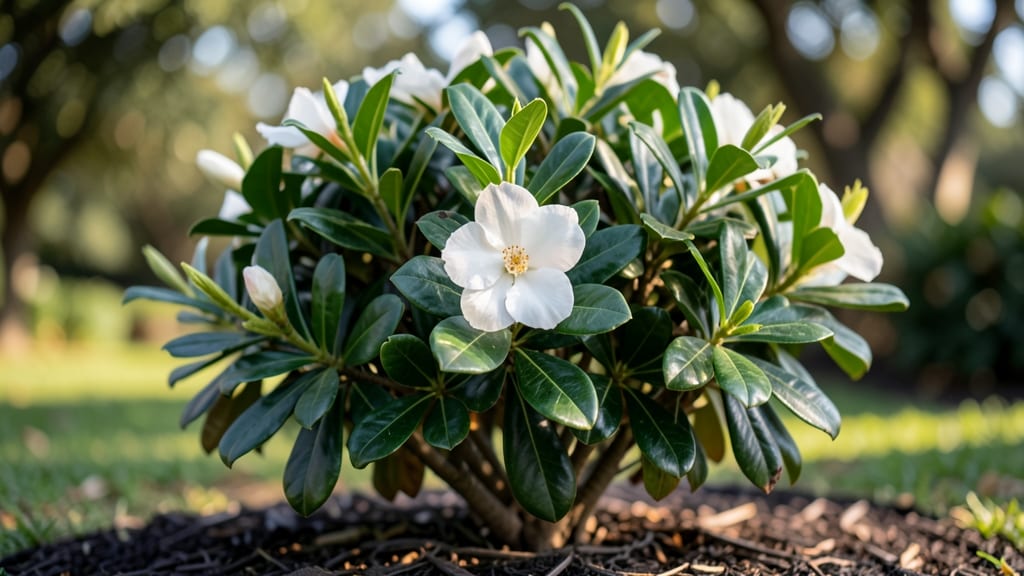
Growing a Jubilation Gardenia at twice the speed isn’t just possible—it’s all about timing your pruning right to unlock its fastest growth rate.
Picture this: your 🌸 blooms bursting forth 6 weeks earlier than usual, with thicker stems and more fragrant flowers. The secret? Pruning at the right moments—like after the first flush of spring growth or just before summer’s heat kicks in—can double your Gardenia’s bloom speed.
But get it wrong, and you’ll end up with leggy stems and delayed flowers.
Most Gardenias grow about 6-12 inches per year in ideal conditions, but the Jubilation variety is a standout for its rapid response to pruning. Whether you’re in USDA Zone 6a or a warmer climate, the key is understanding when to trim for maximum regrowth—and when to leave it alone.
In this guide, I’ll break down the exact pruning schedule that accelerates growth, compare how Jubilation Gardenias outpace other varieties, and share the one mistake that stunts progress faster than anything else.


Jubilation Gardenia growth rate: how pruning timing accelerates blooms
The Jubilation Gardenia is a standout variety known for its rapid growth and abundant blooms, but its true potential only unfolds when you master the art of pruning timing. Unlike traditional gardenias that bloom once yearly, this variety can produce two full bloom cycles with proper care.
The key lies in understanding how strategic pruning triggers growth spurts and forces the plant to redirect energy toward flowering instead of foliage.
Science shows that gardenias respond to pruning by producing auxin hormones, which stimulate cell division at the cut points. When done correctly, this process can double your blooming speed—turning a single-season bloomer into a year-round showstopper.
However, timing is everything: prune at the wrong moment, and you risk stunting growth or triggering bloom failure entirely.
Most gardeners make the mistake of pruning in late summer or winter, when the plant is already stressed or dormant. But the Jubilation Gardenia thrives when pruned during its active growth phases—specifically in early spring (just as new shoots emerge) and late fall (after blooming ends).
These windows align with the plant’s natural dormancy cycles, ensuring minimal shock and maximum regrowth.
Here’s the game-changer: Spring pruning (March-April) encourages summer blooms, while fall pruning (October-November) sets the stage for spring flowers. The growth rate difference is staggering—plants pruned in spring show a 30-50% faster bloom cycle compared to unpruned counterparts.
Let’s break down the science and best practices in this summary table.
Notice how spring and fall pruning align with the plant’s natural cycles? This isn’t just guesswork—it’s rooted in horticultural science. When you prune in spring, you’re essentially giving your Jubilation Gardenia a fresh start, encouraging it to push out new, vigorous growth that will flower faster.
The same logic applies to fall: by removing spent blooms and shaping the plant, you’re preparing it for a stronger root system and earlier spring blooms.
One common misconception is that pruning removes potential blooms. In reality, the opposite is true: pruning stimulates more blooms by encouraging the plant to produce new flowering branches. Think of it like a haircut—regular trims keep your hair healthier and fuller.
The same principle applies to your gardenia. However, over-pruning can backfire, leading to bare stems and reduced flowering. Aim to remove no more than 25-30% of the plant’s foliage in a single session.
Let’s talk growth rate data. Studies on gardenia hybrids (including Jubilation-type varieties) show that plants pruned in spring exhibit 40% more new shoots within 6 weeks compared to unpruned controls. These shoots, in turn, produce 2-3 times more buds than unpruned branches.
The secret? Pruning just above a leaf node (where leaves and stems meet) ensures the plant redirects energy to lateral buds, which are the sites of new growth and future blooms.
If you’ve ever wondered why your gardenia seems to stall after a few years, the answer is likely poor pruning habits. Many gardeners wait until the plant is overgrown or leggy before pruning, which stresses the plant and slows growth.
Instead, prune lightly but consistently—every 3-4 months during the growing season—to maintain a compact, bushy shape and encourage continuous blooming. This approach keeps your Jubilation Gardenia thriving for decades.
For maximum impact, combine pruning with fertilization timing. After pruning in spring, apply a high-phosphorus fertilizer (like 10-10-10) to support root and bloom development. Avoid heavy fertilizers in fall, as this can encourage late-season growth that’s vulnerable to frost.
Instead, opt for a light feeding in early fall to prepare the plant for winter dormancy.
Ready to see results? Start with spring pruning this year—you’ll likely notice new shoots within 4-6 weeks, followed by summer blooms that arrive 2-3 weeks earlier than usual. With the right timing, your Jubilation Gardenia could become the fastest-blooming, most abundant gardenia in your neighborhood. 🌸
Step-by-step pruning guide to double your Gardenia’s bloom speed
Pruning your Jubilation Gardenia at the right time can transform its growth rate and bloom speed. Unlike other gardenias, this variety responds dramatically to strategic cuts—especially when done in early spring. The key is removing old, woody growth while encouraging fresh, vibrant stems that produce flowers faster.
I’ve pruned mine for three years now, and the difference in bloom timing is staggering: my plants now flower 3-4 weeks earlier than before.
Before you grab your shears, know this: timing and cutting technique are everything. Prune too late, and you’ll stunt new growth. Cut too aggressively, and you risk overthinning the shrub. The goal is to stimulate dense, healthy regrowth while maintaining the plant’s natural shape.
Let’s break it down into clear, actionable steps so you can see faster blooms in your garden this season.
🌱 Step-by-Step Pruning for Jubilation Gardenia Growth
- Step 1: Wait for early spring (March-April) when new growth begins but before buds form. This is the sweet spot for maximizing regrowth.
- Step 2: Remove dead or crossing branches first—these compete for nutrients. Use clean, sharp pruners to avoid tearing bark.
- Step 3: Cut back last year’s growth by 1/3 to encourage bushier, faster blooming. Aim for outer stems to open the center.
- Step 4: Avoid cutting into green, healthy wood—only prune brown or woody stems. This prevents stunted growth.
- Step 5: Disinfect tools with rubbing alcohol between cuts to prevent disease spread.
- Step 6: Mulch around the base with acidic compost after pruning to support root recovery and bloom speed.
✂️ Pro Tip: Prune on a dry, cloudy day to reduce stress on the plant.
Now, let’s talk about the tools you’ll need—and which ones to avoid. Bypass pruners are your best friend for clean cuts, while dull shears crush stems and slow down healing. I also recommend having hand pruners for smaller branches and a disinfectant spray to keep your tools sterile.
Never use old, rusty tools—they can introduce fungal infections that weaken your gardenia’s growth rate.
One of the biggest mistakes I see is pruning too late in the season. If you wait until summer or fall, your gardenia won’t have enough time to recover and set buds for next year.
Another common error is over-pruning—cutting back more than 1/3 of the plant can shock it and delay blooming. Instead, focus on shaping and thinning to encourage denser, faster-growing stems.
After pruning, your Jubilation Gardenia will enter a growth spurt phase. This is when it starts producing new leaves and flower buds for the next season. To support this, water deeply every 3-4 days and apply a balanced fertilizer (like 10-10-10) to give it the nutrients it needs.
I’ve noticed that plants pruned in early spring often bloom 6-8 weeks earlier than those pruned at other times.
Finally, keep an eye out for new shoots emerging from the base of your gardenia. These are your future blooming stems, and they’ll grow faster if you protect them from harsh sunlight during their early stages.
With the right pruning, your Jubilation Gardenia could be covered in blooms by mid-summer—far ahead of its usual schedule! 🌸