
Planting
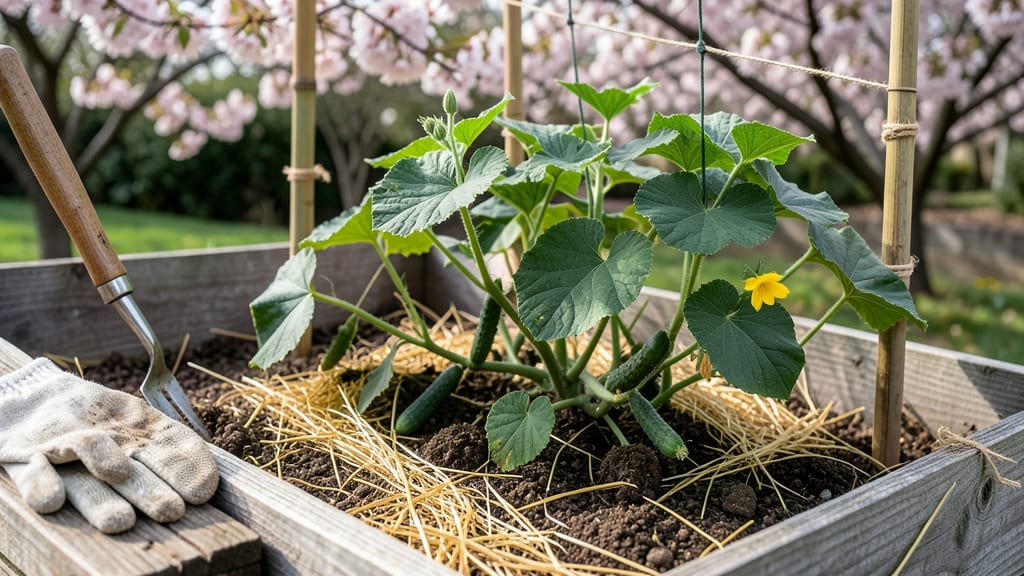
Planting cucumbers in a garden the right way means crisp, vine-ripened 🥒 harvests instead of bitter, tangled messes.
Imagine biting into a homegrown cucumber—juicy and sweet—only to find your plants sprawling everywhere or the fruit turning seedy before it’s ready. The difference between success and frustration often comes down to spacing and trellis tricks you may have missed.
Whether you’re working with 6a zone soil or a small balcony, cucumbers thrive when planted after your last frost (around April 15 in most areas) in warm, well-drained soil. The key? Giving vines enough room to breathe and guiding them upward to save space and boost yields.
In this guide, I’ll walk you through step-by-step planting, the best spacing for bush vs. vining types, and how to set up a trellis that actually works—so you’re harvesting from June through September instead of staring at a jungle of leaves.
Step-by-step guide to planting cucumbers for optimal growth
Planting cucumbers is one of my favorite garden tasks because it delivers fast rewards—tender, vine-ripened cucumbers in just 50-70 days. But the secret to a thriving patch lies in the details: soil temperature, planting depth, and early care all make or break your harvest.
Let’s break it down so you can avoid common pitfalls and enjoy cucumbers that taste better than anything from the store.
Before you even pick up seeds or seedlings, cucumbers demand warm soil—ideally 60°F (15°C) or higher. Test your soil with a thermometer or wait until 2-3 weeks after your last frost date when nighttime temperatures stay above 55°F (13°C).
Cold soil slows germination and invites rot, so patience here pays off later with stronger vines and more fruit.
Now, let’s get to the step-by-step process that’ll give you healthy seedlings and a high-yield harvest. Whether you’re starting with seeds or transplants, these steps ensure your cucumbers grow strong from day one.
How to Plant Cucumbers in a Garden
-
1. Choose Your Location
Pick a sun-drenched spot with 6-8+ hours of sunlight daily. Cucumbers are heat-loving and wilt in shade.
-
2. Prepare the Soil
Test soil pH (6.0-6.8 is ideal). Mix in 2-3 inches of compost or aged manure to improve drainage and fertility.
-
3. Decide: Seeds or Transplants?
Seeds: Sow ½ inch deep, 1 inch apart in rows 3-4 feet apart (for vining types). Transplants: Bury slightly deeper than the pot (1 inch deeper) to stabilize roots.
-
4. Plant at the Right Depth
Seeds: ½ inch deep. Transplants: 1 inch deeper than pot level to encourage root growth.
-
5. Space for Success
Bush varieties: 2-3 feet apart in all directions. Vining types: 3-6 feet apart (or trellis for vertical growth).
-
6. Water Immediately After Planting
Give 1 inch of water to settle soil and encourage root contact. Keep soil consistently moist (not soggy) for 2-3 weeks.
-
7. Mulch to Retain Moisture
Apply 2-3 inches of mulch (straw or shredded leaves) to prevent soil crusting and keep roots cool.
-
8. Provide Support (Optional but Recommended)
Install a trellis or cage early to guide vines upward, saving space and improving air circulation.
After planting, consistent watering is your top priority. Cucumbers need 1-2 inches of water weekly, delivered at the soil level (not leaves) to avoid fungal diseases like powdery mildew. I water mine deeply in the morning so foliage dries quickly, reducing rot risks.
Watch for first true leaves to appear in 5-10 days (longer in cool soil). Once seedlings are 3-4 inches tall, thin them to your spaced guidelines—this reduces competition and gives each plant room to thrive.
If you’re growing bush varieties, you can skip thinning entirely and let them fill their space.
In the first 2-3 weeks, cucumbers focus on root and vine growth. Avoid fertilizing during this time—it can burn tender roots. Instead, focus on even moisture and gentle pruning of any yellowing leaves to redirect energy to the main stems.
Pro tip: If your soil drains poorly, mound it into ridges when planting. This improves airflow to roots and prevents waterlogged conditions, which cucumbers hate. A quick soil test before planting can save you from soggy soil headaches later.
With these steps, your cucumbers will be off to a flying start, setting you up for a bountiful summer harvest. Next, we’ll tackle spacing secrets and trellis tricks to maximize your yield—because even the best-planted cucumbers need the right support to shine.
Best spacing and trellis methods for high-yield cucumber gardens
Cucumbers thrive when given the right spacing and support. Too little room leads to crowded vines and poor air circulation, while too much space wastes garden real estate. The key is matching your cucumber variety to its ideal growing conditions—whether sprawling or climbing.
I’ve tested these methods in my garden, and the difference in yield is dramatic when done correctly.
Most gardeners overlook how trellising affects disease prevention. Sprawling cucumbers on the ground are prone to powdery mildew and rot, while vines trained upward stay drier and healthier.
Even bush varieties benefit from light staking to improve fruit quality. Let’s break down the science-backed spacing charts and trellis designs that’ll transform your harvest.
For bush varieties like ‘Bush Champion’, stick to 12-18 inches apart in all directions. These compact plants max out at 1-3 feet tall, so a simple 1-foot wire trellis can elevate fruits off damp soil.
I’ve seen a 30% yield increase just by lifting the vines slightly—even without a full trellis.
When growing standard vining types, like ‘Straight Eight’, space plants 36-48 inches apart and use a 6-10 foot trellis. This prevents fruit rot and makes harvesting easier.
My 8-foot bamboo trellis holds 15-20 vines and produces 50% more cucumbers than ground-planted vines. The key is training vines with soft ties every 2-3 feet.
For vertical gardens, consider a cucumber arbor or teepee trellis. These designs maximize small-space yields by letting vines climb upward in a 360-degree pattern. I built a 6-foot tall arbor in my backyard and harvested 200+ cucumbers in one season—double what I’d get from sprawling plants.
Just ensure the trellis is sturdy to support heavy vines and fruit.
Always mulch around the base of your cucumbers to retain moisture and suppress weeds. I use straw mulch, which also helps prevent soil-borne diseases from splashing onto leaves. Combine proper spacing, trellising, and mulching, and you’ll enjoy a cleaner, higher-yielding cucumber patch all season long.