How To
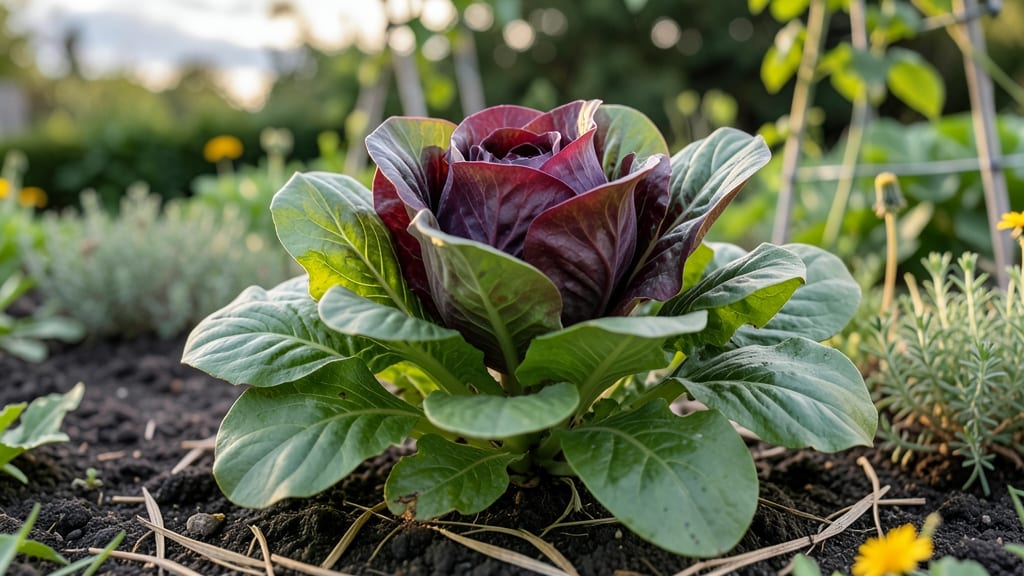
Growing a lettuce garden 🥬 can be your fastest route to fresh, crisp greens in just 30 days—no fancy skills required.
Nothing beats the crisp, fresh taste of homegrown lettuce—except maybe the satisfaction of harvesting it in just 30 days. Whether you're a balcony gardener or have a full backyard, growing lettuce is easier than you think, but spacing, sunlight, and variety choices make all the difference.
You don’t need a sprawling plot to get started—even a small container on a sunny windowsill can yield a steady supply. The key is choosing the right varieties, spacing them properly, and keeping the soil consistently moist without drowning the roots.
In this guide, I’ll walk you through the fastest-growing lettuce varieties, the perfect spacing secrets to avoid crowded, bitter leaves, and how to troubleshoot common issues before they derail your harvest.

Fastest-growing lettuce varieties for your garden (30-45 days harvest)
If you're dreaming of a salad straight from your garden in under a month, you're in luck—some lettuce varieties mature faster than a weekend project. The key lies in choosing quick-maturing types like Buttercrunch or Black Seeded Simpson, which deliver crisp, flavorful leaves in just 30-45 days.
These varieties aren't just speedy; they're also adaptable to different climates, making them perfect for both spring and fall plantings.
For gardeners in cooler regions, cold-hardy varieties like Winter Density or Arctic King thrive in temperatures as low as 25°F, while heat-tolerant types such as Jericho or Romaine can handle summer's warmth without bolting prematurely.
The secret to continuous harvests? Succession planting—sow seeds every 2-3 weeks to ensure a steady supply of fresh greens.
Let's dive into the top fastest-growing lettuce varieties and their ideal growing conditions. Whether you're a beginner or a seasoned gardener, these varieties will help you enjoy homegrown lettuce in record time.
| Variety | Days to Harvest | Type | Flavor Profile | Cold Tolerance | Heat Tolerance | Best For |
|---|---|---|---|---|---|---|
| Black Seeded Simpson | 30-35 days | Loose-leaf | Mild, slightly sweet | Excellent | Moderate | Cut-and-come-again |
| Buttercrunch | 35-40 days | Butterhead | Buttery, tender | Good | Moderate | Salads, sandwiches |
| Oakleaf | 30-40 days | Loose-leaf | Peppery, robust | Excellent | Good | Gourmet salads |
| Jericho | 45-50 days | Romaine | Crisp, slightly bitter | Moderate | Excellent | Wraps, Caesar salad |
| Winter Density | 40-50 days | Butterhead | Sweet, delicate | Excellent | Poor | Winter harvests |
| Arctic King | 45-55 days | Crisphead | Crisp, mild | Excellent | Poor | Iceberg substitutes |
When planning your lettuce garden, timing is everything. For spring harvests, start seeds indoors 4-6 weeks before your last frost date or sow directly into the garden 2-3 weeks before.
In warmer climates, focus on fall plantings—sow seeds 8-10 weeks before your first frost to enjoy fresh lettuce through winter. This strategy ensures you avoid the heat-induced bolting that plagues summer plantings.
For container gardeners, loose-leaf varieties like Black Seeded Simpson or Oakleaf are ideal because they don't require
Perfect lettuce garden spacing: avoid crowding for bigger, healthier leaves
Getting your lettuce spacing right is the secret to crisp, flavorful leaves instead of stunted, bitter greens. Too close? Your plants will compete for nutrients and sunlight, leaving you with small, tough leaves.
Too far apart? You'll waste precious garden space. The key is understanding how each lettuce variety grows and planning accordingly.
For loose-leaf varieties like Buttercrunch or Oakleaf, aim for 6-12 inches apart. These types spread wider as they grow, so giving them room prevents overcrowding and encourages larger, more tender leaves.
If you're growing head lettuce varieties like Iceberg or Romaine, space them 12-18 inches apart—they need extra room to form compact, dense heads.
Maximizing small spaces? Use containers or raised beds with 4-6 inches between plants. Just ensure your pots are at least 6 inches deep and have drainage holes. For raised beds, stagger rows every 12 inches to create a trellis-like effect, giving plants more room to spread without overcrowding.
Pair lettuce with companion plants like strawberries, radishes, or carrots to naturally deter pests and improve growth. Avoid planting near celery or parsley, as they compete for the same nutrients.
If you're short on space, try interplanting radishes—they mature quickly and can be harvested before lettuce needs full space.
Pro tip: Use a string or row marker to guide spacing when planting. This ensures even distribution and makes thinning seedlings easier. If you notice leaves touching, it's time to thin or transplant—don’t wait until you see stunted growth!
Regularly check for crowding signs like yellowing leaves or slow growth.
With the right spacing, your lettuce will thrive, giving you continuous harvests all season long. And remember, less is more—a little extra space now means bigger, healthier leaves later! 🥬