
How To
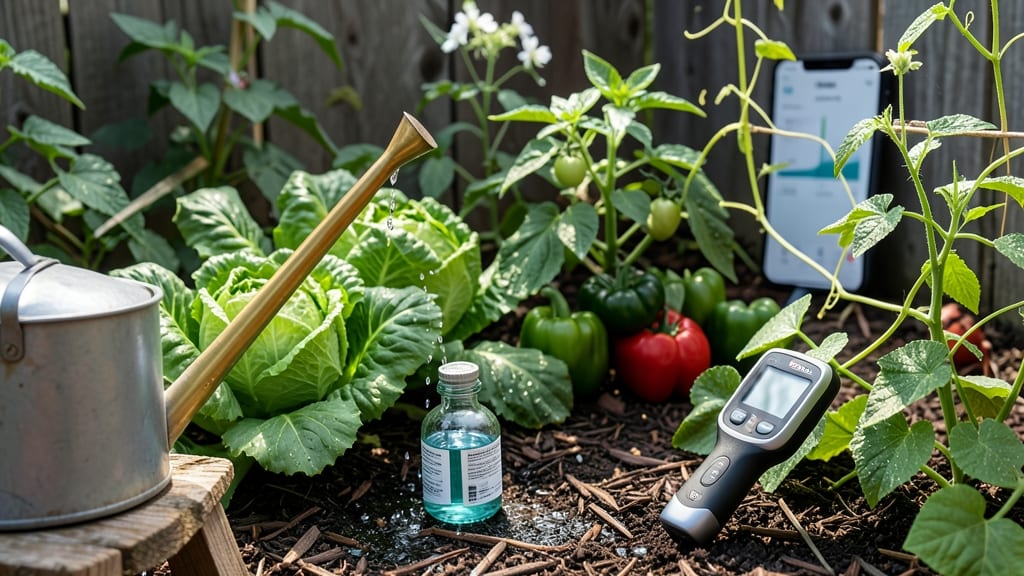
To water a vegetable garden just enough means checking soil moisture—not guessing—because overwatering and underwatering both kill plants faster than pests. 🥬
Struggling to keep your vegetable garden thriving? Overwatering or underwatering can destroy your hard work—yet most gardeners guess instead of measuring. The secret to perfect growth lies in understanding when your plants actually need water, not just following a rigid schedule.
Soil type, plant variety, and weather all change how often you should water. Clay holds moisture longer than sandy soil, leafy greens need more frequent drinks than root crops, and a hot summer demands deeper watering than a cool spring. One size doesn’t fit all.
Below, I’ll show you the soil-moisture check method—a foolproof way to water your garden based on what the plants really need, not a calendar. You’ll learn signs of stress, seasonal adjustments, and how mulch can cut your watering time in half.
The soil-moisture check method: how to water based on plant needs
Most gardeners water their vegetable plants based on a schedule—like every other day in summer—but that approach often fails. The truth? Your tomatoes and lettuce need water when the soil reaches a specific moisture level, not on a calendar.
I’ve learned the hard way that guessing leads to wilting or root rot. The solution? A simple soil-moisture check before watering. This method saves time, water, and keeps your plants thriving.
Start by testing your soil’s moisture with your finger or a moisture meter. Stick your finger 1-2 inches deep into the soil near the plant’s base. If it feels dry, it’s time to water.
If it’s damp, wait another day. This method works for sandy soil (dries faster) and clay soil (holds moisture longer). Adjust your watering based on what you find—no more guesswork!
Visual cues also help. Look for yellowing leaves (underwatering) or mushy stems (overwatering). Leafy greens like spinach and kale need consistent moisture, while root crops like carrots and potatoes prefer slightly drier soil. Pay attention to your plants’ unique signals—they’ll tell you exactly what they need.
Climate plays a huge role. In hot, dry summers, you might water daily, while cool, moist springs could require watering every 5-7 days. Mulching helps retain moisture, reducing how often you need to water.
I’ve seen mulched beds stay damp for days longer than unmulched ones. Try spreading straw or wood chips around your plants to lock in moisture.
Here’s how to adjust your watering based on soil type and climate:
| Soil Type | Climate | Watering Frequency | Ideal Moisture Level |
|---|---|---|---|
| Sandy | Hot/Dry | Daily or every other day | Damp 1-2 inches deep |
| Clay | Hot/Dry | Every 3-4 days | Moist 2-3 inches deep |
| Loamy | Cool/Moist | Every 5-7 days | Lightly moist 1-2 inches deep |
| Sandy | Cool/Moist | Every 7-10 days | Slightly dry at surface |
For leafy greens, aim for consistently moist soil—they wilt quickly when thirsty. In contrast, root vegetables like beets and radishes prefer slightly drier conditions to prevent rot.
I’ve noticed that herbs like basil and cilantro thrive with frequent, light watering, while tomatoes need deep, infrequent watering to develop strong roots.
Use a moisture meter for precision, especially in containers where soil dries out faster. These tools give instant readings, so you can water exactly when needed. If you’re not ready to invest, stick with the finger test—it’s free and just as effective when done correctly.
The key is consistency: check the same spot every time for accurate results.
Adjust your watering in real-time based on weather. After a heavy rain, hold off watering for a few days. During heatwaves, increase frequency but water deeply to encourage root growth. I’ve saved entire crops by paying attention to these cues.
Your plants will reward you with healthier growth and better yields when you water based on their actual needs, not a rigid schedule.
Start today by testing your soil’s moisture before watering. You’ll quickly learn your garden’s unique rhythm—and soon, your vegetable plants will thank you with lush foliage and abundant harvests. Happy gardening! 🌱
Watering frequency by vegetable type: a customized schedule
Not all vegetables thirst the same way—some like it moist but not soggy, while others can handle drier conditions. Your tomatoes and peppers demand consistent hydration, but carrots and onions prefer a gentler touch.
The key? Tailoring your watering schedule to each plant’s needs while accounting for seedling stages (which need frequent misting) and mature plants (which crave deep, infrequent drinks).
Mulch acts like a natural moisture blanket, reducing evaporation and cutting watering frequency by 30-50%. For example, lettuce and spinach wilt within hours without water, while squash and beans can stretch their roots deeper to find moisture.
Below, I’ve broken down a customized schedule for 12+ common veggies, plus red-flag signs of over- or underwatering.
Pro Tip: Always water in the morning (before 10 AM) to prevent fungal diseases. Avoid evening watering—wet foliage overnight invites blight and powdery mildew.
| Vegetable | Seedlings | Mature Plants | Mulch Effect | Overwatering Signs |
|---|---|---|---|---|
| Tomatoes | Daily (light mist) | Every 2-3 days (deep soak) | Reduces by 40% | Yellow leaves, cracked stems |
| Peppers | Every other day | Every 3-4 days | Reduces by 35% | Blossom-end rot, wilting |
| Lettuce | Daily (shallow) | Every 1-2 days (keep soil damp) | Reduces by 25% | Bolting, bitter taste |
| Carrots | Every 2 days | Every 4-5 days (deep) | Reduces by 50% | Forked roots, stunted growth |
| Cucumbers | Daily | Every 2 days (deep) | Reduces by 30% | Yellowing leaves, bitter fruit |
| Beans | Every 3 days | Every 5-7 days (drought-tolerant) | Reduces by 45% | Wilting, poor pod set |
| Onions | Every 2 days | Every 5-6 days (shallow) | Reduces by 40% | Flattened tops, hollow bulbs |
For leafy greens like spinach and kale, aim for consistently damp soil—never let them dry out completely. These plants wilts within hours of thirst, so check soil moisture daily during heatwaves.
In contrast, root vegetables like carrots and beets need deep, infrequent watering to encourage root growth. Overwatering here leads to rotten, forked roots.
Use the "finger test": Stick your index finger 1-2 inches into the soil. If it feels dry, water deeply.
If it’s still moist, wait another day. Mulch (straw, wood chips) locks in moisture and slashes your watering needs by up to 50%—just reapply every few weeks to maintain thickness.
Watch for yellowing leaves (overwatering) or crispy edges (underwatering). Adjust your schedule based on weather: double your watering during 90°F+ days, but cut back in cool, rainy seasons. With this tailored approach, your veggies will thrive without a drop of waste.