
How To
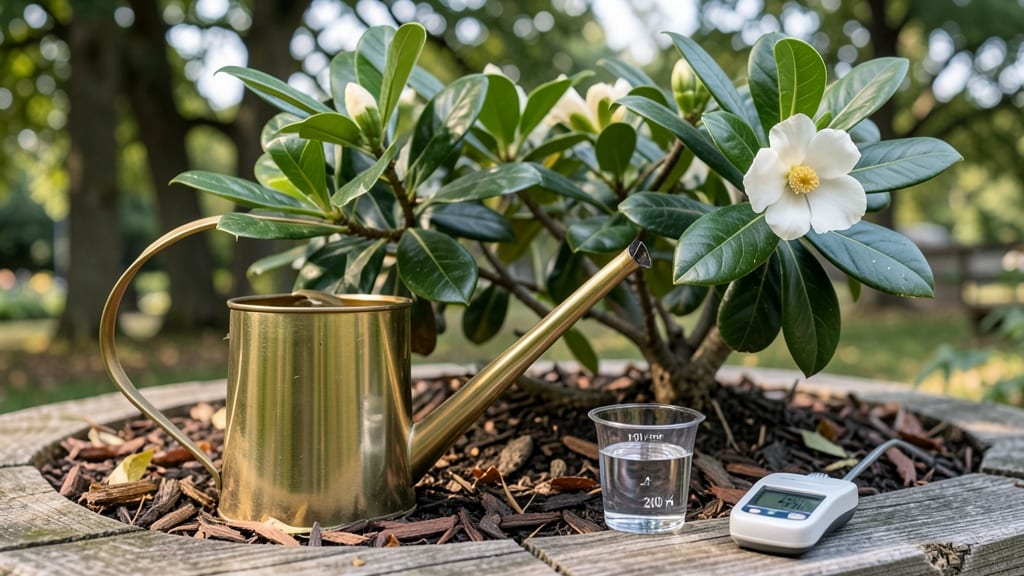
Watering gardenia 🌸 plants the right way keeps them blooming all season—most need deep watering every 2-3 days in summer, but that changes with the weather and soil.
Struggling to keep your gardenia blooming beautifully? The secret often lies in mastering its watering schedule—too much or too little can spell disaster for these tropical favorites. One year, my gardenia leaves turned yellow because I stuck to a rigid schedule without checking the soil.
This guide breaks down how often to water gardenias by season, how to spot when they're thirsty (or drowning), and the best techniques to keep your plant thriving without guesswork.
You’ll learn the signs of overwatering, the ideal soil moisture level, and how to adjust for heatwaves or rainy spells—so your gardenia stays lush, fragrant, and full of blooms.
Ideal watering frequency for gardenia plants by season
Mastering the watering schedule for your gardenia plants is key to those fragrant blooms you adore. These tropical shrubs thrive with consistent moisture but hate soggy roots. The seasonal changes dramatically impact how often you should water, so let's dive into the perfect routine for each time of year.
Gardenia plants are semi-tropical and prefer humid conditions. In hot summer months, they may need watering every other day, while winter dormancy reduces this to bi-weekly watering. Understanding these shifts ensures your gardenia stays healthy and bloom-heavy year-round.
| Season | Watering Frequency | Soil Moisture Check | Environmental Factors |
|---|---|---|---|
| Spring | Every 2 days | Top 1-2 inches dry | Warmer temps, new growth |
| Summer | Daily or every other day | Top 1 inch dry | High heat, humidity loss |
| Fall | Every 3-4 days | Top 2 inches dry | Cooler temps, slower growth |
| Winter | Bi-weekly | Top 3 inches dry | Dormant period, minimal water needs |
In springtime, your gardenia is waking up from dormancy and needs frequent watering to support new growth. Aim to water every 2 days, checking that the top 1-2 inches of soil are dry before watering again.
This is also the best time to increase humidity around your plant with a pebble tray or misting.
When summer heat arrives, gardenias become thirstier due to increased evaporation. Water daily or every other day, focusing on deep watering to encourage strong root development.
Always water in the early morning to prevent fungal diseases from nighttime moisture. Mulch around the base helps retain moisture and keeps roots cool.
As fall temperatures drop, your gardenia's water needs decrease. Reduce watering to every 3-4 days and let the top 2 inches of soil dry out between waterings. This slower pace helps prepare the plant for winter dormancy while avoiding root rot from excess moisture.
Winter care is all about minimal watering. Cut back to bi-weekly watering and let the top 3 inches of soil dry completely before watering again. This dormant period allows the plant to rest and store energy for next year's spring blooms. Avoid fertilizing during this time to prevent burning roots.
Always adjust your watering schedule based on local climate and container size. Potted gardenias dry out faster than in-ground plants, so they may need daily watering in summer. Pay attention to leaf color and growth rate—wilting or yellowing leaves often signal watering issues.
For container-grown gardenias, use a well-draining mix and a pot with drainage holes. Water until it flows freely from the bottom, then empty the saucer to prevent root suffocation. In-ground plants benefit from organic mulch, which helps maintain even moisture levels.
Remember, consistency is key. Gardenias hate fluctuating moisture levels, so stick to your seasonal schedule and adjust only when necessary. With the right watering routine, your gardenia will reward you with lush foliage and stunning blooms all year round. 🌸
Signs your gardenia needs water (and when to adjust)
Gardenia plants thrive when their soil moisture stays consistently damp but never soggy. As a tropical shrub, it relies on steady hydration to produce those fragrant white blooms you love. The challenge?
Overwatering can cause root rot, while underwatering leads to drooping leaves and stunted growth. Learning to read your gardenia’s subtle signals will help you strike the perfect balance.
Start by checking the top 1-2 inches of soil with your finger. If it feels dry, it’s time to water. For potted gardenias, lift the pot—if it’s light, the roots need moisture.
In-ground plants may show yellowing leaves or curling leaf edges when thirsty. These visual cues are your gardenia’s way of communicating its needs before damage occurs.
Too Much Water: Yellow leaves, mushy stems, foul odor from soil
Too Little Water: Wilting, crispy leaf edges, dry soil pulling away from pot
Solution: Water deeply every 2-3 days in summer, reduce to 3-4 days in fall, and bi-weekly in winter. Always check soil moisture first!
One of the most common mistakes I see is watering gardenias on a strict schedule without checking soil conditions. Heatwaves or dry winds can dry out soil faster, while cool, cloudy days may require less frequent watering.
Pay attention to your gardenia’s leaf texture—healthy leaves should feel firm and slightly leathery. If they feel limp or brittle, adjust your watering routine immediately.
Root exposure is another critical sign your gardenia needs hydration. If you notice roots protruding from the soil surface or the pot feels unusually light, it’s a red flag. For container gardenias, ensure the pot has drainage holes and never let it sit in standing water.
In-ground plants may benefit from a 2-3 inch layer of mulch to retain moisture and regulate soil temperature.
If you’ve already spotted wilting leaves or drooping stems, don’t panic. First, give the plant a deep watering—soak the soil until water runs out the drainage holes (for potted plants) or seeps into the ground (for in-ground plants).
Then, monitor the soil moisture closely for the next 24-48 hours. If the plant perks up, you’ve likely corrected the issue. If not, check for pests or disease that may be stressing the plant further.
Pro tip: Water your gardenia early in the morning to allow foliage to dry before evening. This reduces the risk of fungal infections like powdery mildew, which thrive in damp conditions. With consistent care, your gardenia will reward you with lush growth and abundant blooms all season long. 🌸