
Watering
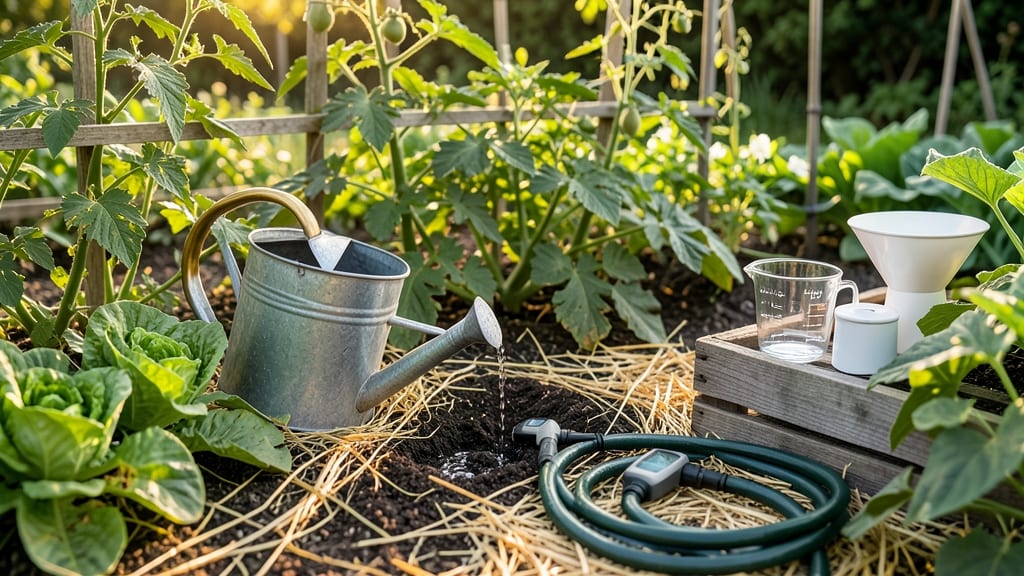
A vegetable garden needs 1 to 2 inches of water per week to thrive, but the exact amount depends on soil, climate, and plant type—getting it wrong can mean wilted leaves or wasted water.
Struggling to keep your 🥬 garden lush? Too much water drowns roots, while too little stunts growth—yet most gardeners guess instead of measuring. That’s why I’ve broken down the science behind watering, from drought-resistant crops to heavy feeders like tomatoes.
In this guide, you’ll learn how to read your soil’s moisture cues, adjust for summer heatwaves or rainy springs, and use mulch to lock in hydration without overdoing it.
Whether you’re a beginner or a seasoned gardener, these plant-specific schedules will help you water smarter—not harder—so your harvest stays vibrant from seed to table.
Weekly watering requirements for common vegetable plants
Watering your vegetable garden isn't a one-size-fits-all task—each plant type has unique needs. Leafy greens like lettuce and spinach prefer consistent moisture, while root vegetables such as carrots need even hydration to prevent splitting.
Fruiting plants like tomatoes and peppers demand deep watering during their flowering and fruiting stages. Understanding these differences ensures your garden thrives without wasted water or stressed plants.
Seasonal changes dramatically affect watering frequency. In spring and fall, most vegetables need 1-1.5 inches of water weekly, while summer heat can double that requirement. Morning watering is ideal—it reduces evaporation and minimizes fungal diseases.
Always water at the base of plants to encourage deep root growth and conserve moisture.
| Plant Type | Weekly Water Needs | Best Practices | Seasonal Adjustments |
|---|---|---|---|
| Leafy Greens (Lettuce, Spinach, Kale) | 1-1.5 inches (keep soil moist) | Water shallowly; mulch to retain moisture | Increase in summer; reduce in winter |
| Root Vegetables (Carrots, Radishes, Beets) | 1-2 inches (deep, infrequent watering) | Avoid overhead watering; water at soil level | Reduce in late summer to prevent splitting |
| Fruiting Plants (Tomatoes, Peppers, Cucumbers) | 1.5-2.5 inches (deep watering 2-3x/week) | Drip irrigation preferred; water at base | Increase during fruiting; reduce in fall |
| Herbs (Basil, Parsley, Cilantro) | 0.5-1 inch (let soil dry slightly between waterings) | Water lightly; avoid soggy soil | Reduce in winter; increase in summer |
| Corn | 1.5-2 inches (consistent moisture) | Water deeply at soil level; avoid wetting leaves | Critical during tasseling and silking |
For leafy greens, shallow watering keeps the topsoil moist without drowning delicate roots. Use a fine-mist spray or drip system to deliver water evenly. Mulch heavily with straw or grass clippings to lock in moisture and suppress weeds.
These plants wilt quickly when thirsty, so monitor their leaf turgor daily—if leaves feel limp, it’s time to water.
Root vegetables like carrots and beets require a different approach: deep watering encourages long, straight roots. Water infrequently but thoroughly, aiming for 1-2 inches per week. Overhead watering can cause soil crusting, which stunts root growth. Instead, use a soaker hose or watering wand to deliver moisture directly to the soil.
Fruiting plants such as tomatoes and peppers are the most demanding water-wise. During their flowering and fruiting stages, they need consistent deep watering—typically 1.5-2.5 inches weekly. Drip irrigation is ideal because it delivers water slowly at the roots, reducing evaporation and disease risk.
Avoid wetting foliage, especially in humid climates, to prevent blossom end rot in tomatoes.
Herbs like basil and parsley prefer slightly drier conditions. Let the top 1-2 inches of soil dry between waterings to prevent root rot. Overwatering these plants leads to yellowing leaves and stunted growth. Use a well-draining soil mix and water in the morning to allow excess moisture to evaporate quickly.
Adjust your watering schedule based on weather conditions. During hot, dry summers, increase frequency to daily or every other day, while cool, rainy springs may only require watering every 5-7 days.
Always check soil moisture by sticking your finger 1-2 inches deep—if it feels dry, it’s time to water.
Deep-watering techniques are crucial for establishing strong root systems. Instead of light, frequent watering, aim for long, slow soaks that penetrate 6-12 inches deep. This encourages roots to grow downward, making plants more drought-resistant.
Use a moisture meter or the "screwdriver test" (if it pushes in easily, the soil is too wet) to gauge when to water.
Mulching is a game-changer for water efficiency. Apply a 2-3 inch layer of organic mulch (like
Signs of overwatering vs underwatering in vegetable gardens
Even the most attentive gardeners sometimes struggle to tell if their vegetable plants are getting too much or too little water. Overwatering and underwatering both cause stress, but the symptoms look different. Yellowing leaves might mean either problem—it all depends on the plant family and other clues.
Let me walk you through the visual and tactile signs to diagnose your garden's water needs accurately.
Start by checking the soil moisture at the root zone (about 2 inches down). Sticky, soggy soil signals overwatering, while dry, crumbly soil means underwatering. Leaf texture is another key indicator: droopy, crispy leaves often mean thirst, while soft, mushy leaves suggest excess water. Root vegetables like carrots or potatoes also reveal their water status through size and firmness.
Overwatering creates a breeding ground for fungal diseases like powdery mildew or root rot. You’ll notice white mold on leaves, stunted growth, or plants that topple over easily. Herbs like basil or cilantro will wilt dramatically, even though the soil feels wet. Tomatoes and peppers may develop blossom end rot—a calcium deficiency caused by inconsistent moisture.
Underwatering, on the other hand, causes wilting that doesn’t recover by evening. Leaf edges may turn brown and crispy, and the plant will feel lightweight when picked up. Leafy greens like lettuce or spinach develop a bitter taste when stressed, while root crops like beets or radishes stay small and tough. Morning wilting that recovers by afternoon is normal, but wilting that persists all day signals a serious drought.
Overwatering vs Underwatering: Quick Diagnosis
Overwatering
- Yellow leaves (lower first)
- Mushy stems or wilting
- White mold or fungus
- Slow growth despite wet soil
- Root rot (black, smelly roots)
Underwatering
- Dry, crispy edges on leaves
- Wilting that doesn’t recover
- Dull, gray-green leaves
- Small, tough produce
- Soil pulls away from pot edges
For overwatered plants, reduce frequency and improve drainage by adding organic matter like compost or perlite. Raise containers off the ground to prevent waterlogging.
If roots are rotting, trim the affected areas and repot with fresh, dry soil. Underwatered plants need a deep soak—water until it runs out the drainage holes—and consider mulching to retain moisture.
Pay attention to plant families too: Brassicas (like cabbage) tolerate drought better than solanums (like tomatoes). Leafy greens wilt faster than root vegetables, which store water better. Adjust your approach based on what’s growing in your garden. Morning watering is always best—it reduces evaporation and fungal risks.
Remember, consistency is key. Vegetables hate moisture swings, so aim for a steady schedule. If you’re unsure, stick your finger in the soil: if it’s damp 2 inches down, wait another day. Healthy roots mean healthy harvests—so listen to your plants and adjust as needed! 🌱