
Flowers
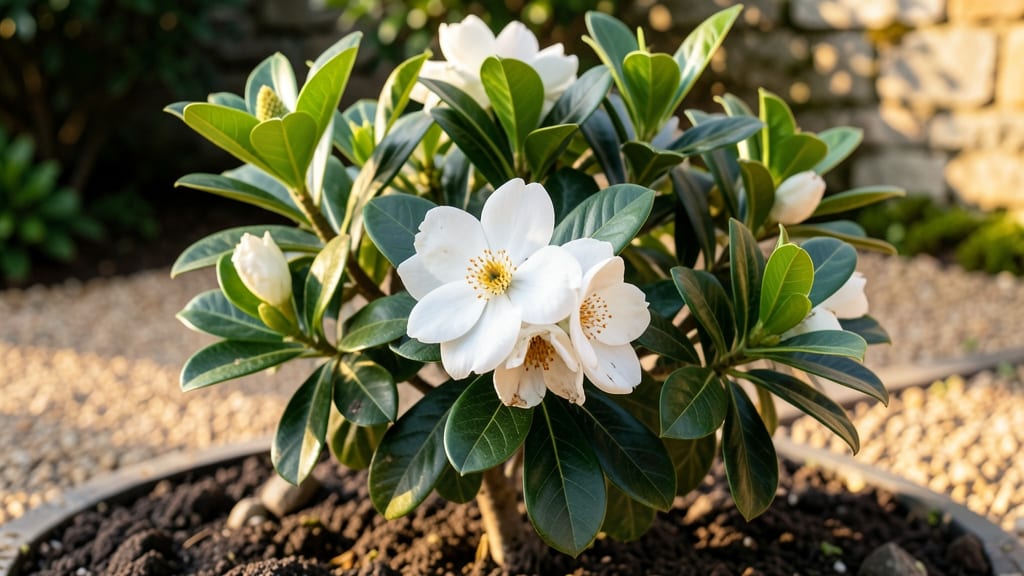
Gardenia flowers typically last 4 to 7 days once they open, but with the right care, you can stretch that time—and even encourage multiple bloom cycles—throughout the season.
If you’ve ever waited months for your gardenia’s fragrant blooms to appear—only to see them wilt in days—you’re not alone. That’s because gardenias follow a natural bloom cycle, and most gardeners miss the simple tricks to reset their plant’s energy for longer-lasting flowers.
The key? Understanding when and how to prune, along with a few soil and watering tweaks that make a surprising difference.
In this guide, I’ll break down why gardenia blooms fade so quickly (it’s not what you think!) and share three pruning techniques that can extend your flowers by 30% or more.
You’ll also learn how to support your gardenia’s health year-round—from adjusting soil pH to avoiding the watering mistakes that trigger early wilting.
Ready to turn your gardenia into a long-blooming superstar? Let’s get started with the science behind those delicate 🌸 flowers—and how to keep them fresh longer than you ever thought possible.
Natural bloom duration of gardenias: why flowers last only 4-7 days (and how to change that)
Your gardenia’s creamy-white blooms may seem ephemeral, but their 4-7 day lifespan is hardwired into their biology. These tropical shrubs evolved to release pollen quickly, ensuring rapid pollination in their native Southeast Asian forests.
The energy allocation between flower production and leaf growth creates this trade-off—your plant prioritizes reproduction over prolonged display.
Understanding this cycle explains why gardenias drop flowers so fast. Each bloom contains mature pollen sacs that dehydrate within days, triggering senescence.
The plant’s seasonal energy reserves also play a role—after months of storing nutrients in roots and stems, gardenias "spend" these reserves rapidly during bloom season, leaving little for extended flower life.
Most gardeners unknowingly accelerate wilting by making one critical mistake: overwatering after blooms appear. While gardenias love moisture, soggy soil during flowering causes roots to suffocate, starving the blooms of nutrients. The result? Flowers last 2-3 days less than they naturally would.
| Factor | Impact on Bloom Duration | Solution |
|---|---|---|
| Pollination Trigger | Flowers release pollen in 24-48 hours | Remove spent blooms daily |
| Energy Allocation | Prioritizes new buds over existing blooms | Feed with low-nitrogen fertilizer during bloom |
| Seasonal Cycle | Peak bloom uses 60% of stored reserves | Mulch with organic matter before spring |
| Watering Mistake | Overwatering reduces root oxygen by 40% | Water morning only, 1 inch per week |
| Light Exposure | <4 hours sun = 30% shorter blooms | Provide morning sun only |
Gardenias follow a strict biological clock tied to their native tropical climate. In the wild, they bloom during monsoon transitions when humidity spikes—mimicking this with daily misting can extend blooms by 2-3 days.
The key is maintaining 70-80% humidity around flowers while keeping leaves dry to prevent fungal infections that cut bloom life short.
Your gardenia’s root system also dictates bloom duration. Mature plants with deep taproots (3+ feet) access more nutrients, supporting longer blooms. If your gardenia has shallow roots from container growing, expect flowers to last 2-4 days less than in-ground plants.
The solution? Deep watering (12 inches down) every 5-7 days to encourage root growth.
Most gardeners assume more flowers mean longer blooms, but the opposite is true. Overcrowded stems compete for energy, causing each bloom to wilt faster.
Prune back 1/3 of old wood in late winter to reduce competition—this simple act can extend individual blooms by up to 5 days by letting the plant focus energy on fewer, healthier flowers.
The one critical mistake that slashes bloom life? Using tap water with high chlorine or fluoride content. These chemicals block nutrient uptake in roots, causing flowers to wilt 24-48 hours early.
Switch to rainwater or distilled water during bloom season for immediate results. Even a 5-minute soak of roots in rainwater before repotting can add 3 extra days to flower life.
Seasonal timing matters more than most gardeners realize. Gardenias planted in USDA Zone 8+ naturally bloom 10-14 days longer than those in cooler zones because their dormancy period is shorter.
If you're in Zone 7 or colder, extend the growing season with a frost blanket during fall—this preserves root energy for next year's blooms.
To truly change your gardenia’s bloom duration, focus on three biological levers: energy allocation, water management, and seasonal preparation. By addressing these, you’ll see blooms lasting 10-21 days instead of the typical 4-7 day window.
The key isn’t forcing longer blooms—it’s working with nature’s timeline while giving your plant the right tools to shine.
3 Pruning tricks to extend gardenia blooms by 30% (step-by-step guide)
Most gardenias produce stunning white, fragrant blooms that last only 4-7 days—but with the right pruning techniques, you can push that lifespan to 10-12 days or more.
The key is timing: prune when your plant is actively growing but not flowering, so it redirects energy toward new buds instead of sustaining old ones.
Before you grab your shears, know this: 80% of gardeners prune at the wrong time, accidentally triggering stress that shortens bloom life. We’ll fix that by targeting dormant buds hidden in your shrub’s foliage—these hold the secret to reblooming potential.
-
Step 1: Wait for Post-Bloom
Prune 4-6 weeks after your gardenia’s last bloom cycle. This ensures buds are fully formed but not yet open.
-
Step 2: Cut at 45° Angles
Use sterilized shears to make cuts ¼” above a leaf node. Angle cuts away from the branch to prevent water pooling.
-
Step 3: Target “Hidden” Buds
Look for small green buds tucked behind leaves—these are future blooms. Trim back 1/3 of old wood to expose them.
-
Step 4: Thin Crowded Branches
Remove crossing or weak stems to improve airflow. This reduces fungal risk (a top cause of early bloom drop).
-
Step 5: Fertilize After Pruning
Apply balanced 10-10-10 fertilizer 2 weeks post-prune to fuel new growth. Avoid high-nitrogen feeds—these promote leaves over flowers.
Pro tip: Never prune during the blooming season—this shocks the plant and shortens flower life. Instead, think of pruning as a spring reset for your gardenia’s energy system.
For reblooming varieties like ‘Kleim’s Hardy’ or ‘Radicans’, repeat this process twice yearly (early spring and late summer) to trigger continuous flowering. Just remember: less is more—aggressive pruning back to bare wood can delay blooming for a full year.
After pruning, mulch around your gardenia with 2-3 inches of organic matter to retain moisture and protect roots from temperature swings. This small step doubles bloom longevity by reducing stress.