How To
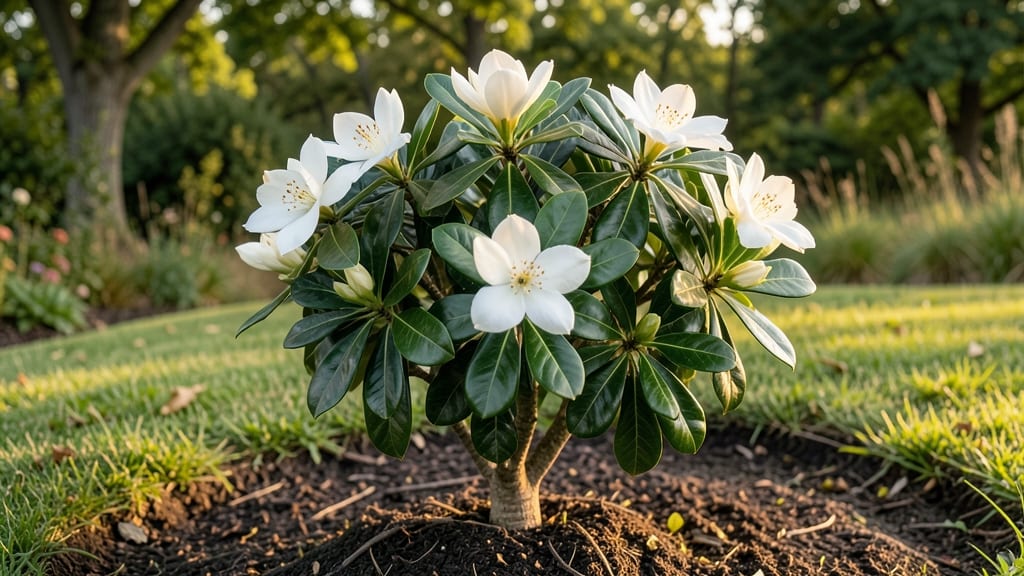
Gardenias grow anywhere from 2 feet to 6 feet tall, depending on the variety and growing conditions—so your choice of plant could mean the difference between a compact container showstopper and a shrub that needs its own corner of the yard.
If you're dreaming of fragrant blooms but limited garden space, knowing exactly how big gardenias grow could make or break your planting plans—some varieties stretch like small trees, while others stay compact enough for containers.
For example, the classic Gardenia jasminoides typically reaches 4 to 6 feet with a spread of 3 to 5 feet, making it ideal for landscapes but too large for small patios. Meanwhile, dwarf varieties like 'Radicans' stay under 2 feet, perfect for pots or window boxes.
Below, I’ll break down the height ranges by variety, how growth habits affect your garden layout, and whether you can keep them in containers without sacrificing blooms.
Gardenia mature size by variety: height and spread comparison
Choosing the right gardenia variety depends entirely on your space—whether you have a sprawling backyard or a cozy patio. Some gardenias grow like small trees, reaching 15+ feet, while others stay compact enough for container gardening.
The key is understanding each variety's mature height and spread to plan accordingly. For example, 'Kleim's Hardy' thrives in cold climates but can grow up to 6 feet tall, while 'Radicans' stays low and bushy, perfect for borders.
Gardenias also vary in growth habits—some grow upright like trees, others sprawl wide, and a few even trail. This diversity means you can find the perfect fit for foundation plantings, container displays, or even hanging baskets.
Below, I’ve broken down 12+ popular varieties with their exact dimensions to help you visualize their mature size and choose wisely for your garden layout.
🌿
How gardenia growth habits affect your garden layout
Understanding how gardenias grow is key to creating a beautiful, functional garden layout. These fragrant shrubs come in dwarf, standard, and climbing varieties, each requiring different spacing and care.
A 3-foot dwarf gardenia fits perfectly in containers or small gardens, while a 6-foot standard type needs room to thrive as a focal point. Plan ahead to avoid overcrowding or underutilized space.
Your gardenia's mature size directly impacts its sunlight needs, pruning frequency, and support requirements. For example, tall gardenias need afternoon shade to prevent leaf burn, while spreading varieties benefit from trellises or staking.
Let’s explore how to position these plants based on their growth habits to maximize blooms and minimize maintenance.
- Dwarf Varieties (2-3 ft): Ideal for containers or small gardens. Place near patios or entryways to enjoy their fragrance up close. Prune lightly after flowering to maintain shape.
- Standard Shrubs (4-6 ft): Perfect as hedges or focal points. Space 6 feet apart for full growth. Provide afternoon shade to protect leaves from harsh sun.
- Climbing Types (up to 20 ft): Train on trellises or arbors for vertical gardens. Ensure strong support as they grow heavy with blooms. Prune annually to control spread.
- Sunlight Placement: All gardenias need morning sun and afternoon shade. Avoid full sun in hot climates to prevent leaf scorch or wilting.
One common mistake is planting gardenias too close together, which restricts airflow and increases disease risk. Space dwarf varieties 2-3 feet apart and standard types 6 feet apart to allow proper air circulation.
This also makes pruning and harvesting blooms easier. Overcrowding can lead to smaller flowers and weaker stems, so plan your layout with future growth in mind.
Pruning plays a crucial role in managing gardenia size and shape. For dwarf varieties, a light trim after flowering keeps them compact.
For standard shrubs, prune in late winter to remove dead wood and encourage bushier growth. Climbing types need regular pruning to control their spread and prevent them from becoming unruly. Always use clean, sharp shears to avoid damaging the plant.
If you're growing gardenias in containers, choose pots that are at least 18 inches wide and deep for dwarf varieties and larger for standard types.
Ensure pots have drainage holes to prevent root rot, a common issue with overwatering. Repot every 2-3 years to refresh the soil and provide more root space. Container gardenias also need more frequent watering since pots dry out faster than garden beds.
By considering your gardenia's mature size, sunlight needs, and pruning requirements, you can create a layout that maximizes their beauty while keeping maintenance manageable.
Whether you choose a compact dwarf for containers or a tall standard shrub for your landscape, these tips will help you plan a fragrant, thriving garden. 🌸✂️