
Planting
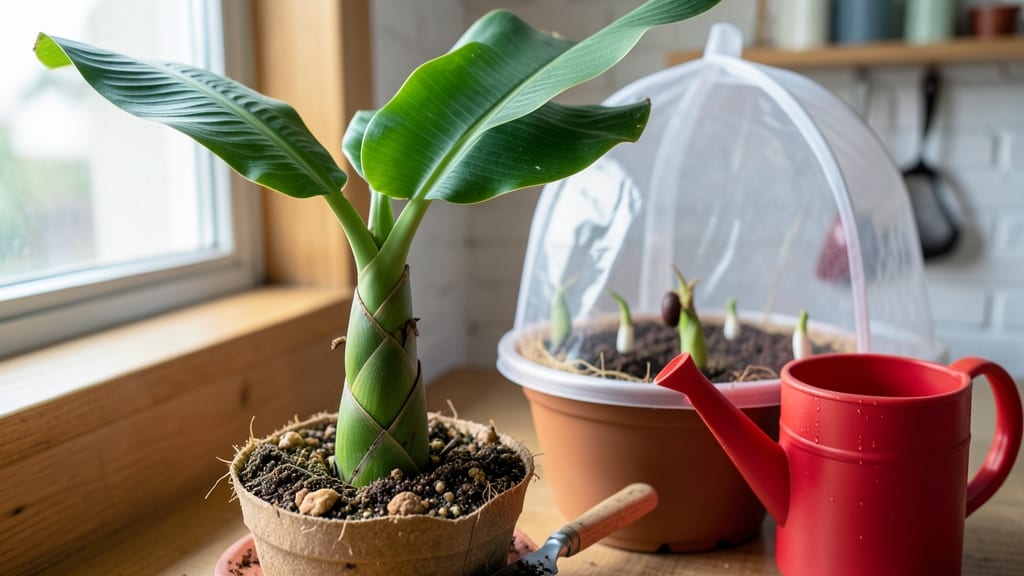
Growing a garden banana seed 🍌 is your ticket to a tropical plant that thrives in containers, even if you live outside the usual growing zones.
Picture this: a 15-foot plant bursting with edible bananas on your balcony—no greenhouse required. The secret? Starting with a seed and giving it the right warmth, moisture, and patience from day one.
Most gardeners quit before the leaves even unfurl, but with the right setup, you’ll have a lush, fruit-bearing plant in under two years.
Banana seeds need consistent warmth (think 75–85°F) and a soil mix that drains like a sponge—too much water is the #1 killer. We’ll walk you through every step, from the moment you pop that seed into a cozy germination setup to the day it sends up its first true leaves.
No green thumb needed, just a willingness to learn.
By the end, you’ll know exactly how to troubleshoot slow germination, pick the perfect container, and keep your banana happy through every growth stage—whether it’s basking in full sun or stretching toward a south-facing window. Ready to grow your own tropical treasure?

How to germinate a garden banana seed indoors for faster growth
Growing a garden banana from seed is an exciting journey, but the first 30-60 days are critical. Without proper conditions, your seed may never sprout or could develop weak roots. I’ve learned from experience that warmth, moisture, and patience are the keys to success.
By following these steps, you’ll give your banana seed the best chance to thrive indoors before transitioning it outdoors.
Banana seeds are tropical plants that need consistent warmth to germinate. Unlike fast-sprouting veggies, banana seeds can take 2-4 weeks (or even longer) to break through the soil. The good news? With the right setup, you can speed up this process significantly.
I’ll walk you through every step, from seed selection to transplanting seedlings, so you can avoid common pitfalls like mold, rot, or stunted growth.
Before you begin, gather your supplies: a seedling tray, well-draining soil mix, a heat mat (or warm spot), and a spray bottle. These tools will help create the ideal tropical microclimate your banana seed needs.
Trust me, skipping any of these can lead to failure—especially in cooler climates where indoor temps drop at night.
Step-by-Step Banana Seed Germination
- 1 Soak the Seed: Place your banana seed in a warm water jar for 24-48 hours. This softens the hard outer shell and kickstarts the germination process. Change the water every 12 hours to prevent mold.
- 2 Prepare the Soil: Use a lightweight potting mix with perlite or vermiculite (30% mix) for aeration. Avoid garden soil—it’s too dense and can cause root rot. Fill seedling trays or small pots with 1-2 inches of moistened mix.
- 3 Plant the Seed: Make a 1-inch deep hole in the soil and place the soaked seed pointy side up. Cover it with 1/4 inch of soil—don’t bury it too deep, or it may struggle to emerge. Gently pat the soil to secure the seed.
- 4 Create Warmth: Place the tray on a heat mat set to 75-85°F (24-29°C). If you don’t have a heat mat, use a warm spot near a sunny window or on top of a fridge. Banana seeds won’t germinate below 65°F (18°C).
- 5 Maintain Moisture: Keep the soil consistently moist (not soggy) by misting daily with a spray bottle. Use room-temperature water to avoid shocking the seed. A clear plastic dome or plastic wrap can help retain humidity.
- 6 Monitor for Sprouts: Check for green shoots in 10-21 days. Once you see the first signs of life, remove any plastic cover to prevent fungal growth. Place the tray under grow lights or in bright, indirect sunlight.
- 7 Transplant Seedlings: When seedlings have 2-3 true leaves (not just cotyledons), transfer them to 4-inch pots with fresh potting mix. Harden them off by placing outdoors for 2-3 hours daily before full transition.
Best container types and soil mix for tropical banana plants
Choosing the right container and soil mix is critical for your tropical banana plant to thrive. Since bananas grow tall and have extensive root systems, your container must provide stability and proper drainage.
Fabric pots, plastic containers, and wooden barrels are all viable options, but each has unique benefits for different growth stages.
For seedlings, start with 5-gallon containers to give roots room to establish. As your plant matures, upgrade to 15-25 gallon pots by year two. The soil mix should mimic the plant’s natural tropical habitat—rich, well-draining, and slightly acidic.
A blend of coconut coir, peat moss, and compost works wonders, while perlite or sand improves aeration.
Here’s a quick comparison to help you decide which container suits your banana’s needs best:
When mixing soil, aim for a 60% organic matter (compost, coconut coir) and 40% mineral content (perlite, sand) to ensure aeration and drainage. Add a handful of worm castings for extra nutrients, as bananas are heavy feeders.
Avoid garden soil—it compacts easily and lacks the air pockets tropical roots need.
For container size, follow this rule: 15-25 gallon pots for mature plants, but upgrade as your banana grows. A 5-gallon pot is perfect for seedlings, while 10-gallon pots work for year-old plants.
Remember, larger containers mean more stability and less risk of tipping over as your banana reaches 10+ feet tall.
Pro tip: Elevate containers slightly off the ground to prevent root rot from excess moisture. Use saucers only if they drain freely, or risk soggy roots that suffocate your plant.
With the right container and soil, your banana will grow strong roots and lush foliage—setting the stage for potential fruit production! 🌱