
Tools
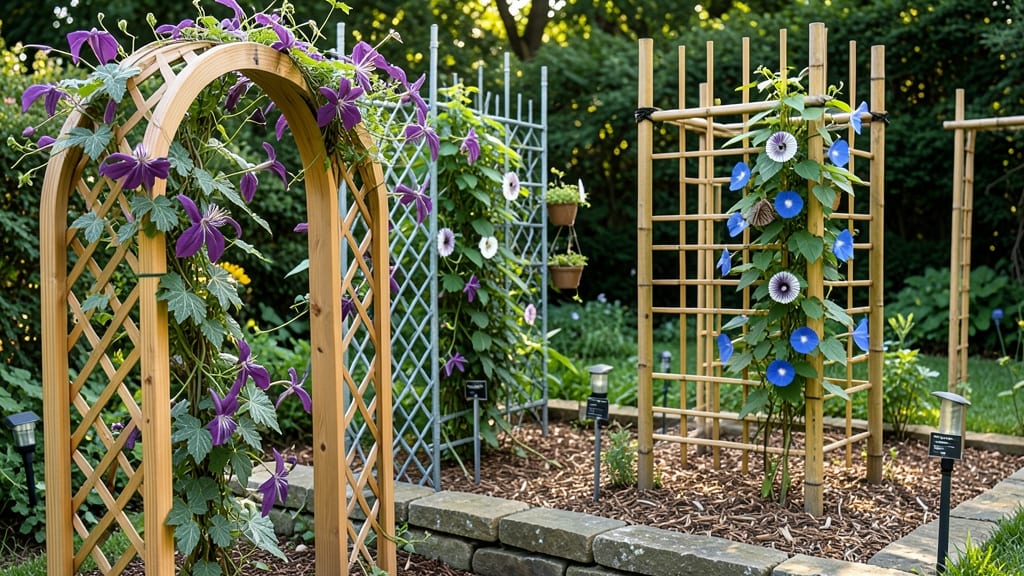
Garden bed trellis ideas can turn a small plot into a lush vertical garden without sacrificing your favorite vining plants.
Running out of space in your garden doesn’t mean you have to stop growing your favorite vining plants—vertical gardening with trellises can transform even the smallest plot into a thriving, space-saving paradise.
Whether you’re dreaming of climbing 🌸 clematis reaching for the sky or cucumbers sprawling neatly upward, the right trellis makes all the difference.
Below, I’ll share 10 creative designs, from rustic wooden arbors to sleek metal frames, plus DIY tips to build your own—so you can grow more without taking up more space.
10 Best garden bed trellis designs for vertical plant growth
Running out of space in your garden doesn’t mean you have to stop growing your favorite vining plants. Vertical gardening with trellis designs maximizes your growing area while creating stunning visuals.
Whether you're working with cucumbers, beans, or climbing roses, the right trellis transforms your garden bed into a space-saving powerhouse. Let’s explore the 10 best trellis designs that work perfectly for small gardens, each with unique benefits and ideal plant pairings.
Vertical gardening isn’t just about saving space—it also improves air circulation and sunlight exposure for your plants. The key is choosing a trellis that matches your plant’s growth habit and your garden’s layout.
For example, cucumbers thrive on tall A-frame trellises, while pole beans love the support of teepee structures. Below, we’ll break down the top 10 trellis designs, their best uses, and how to integrate them seamlessly into your garden bed.
Before diving into the designs, consider your garden’s available space and the height of your plants. A 6-foot trellis works well for tomatoes and peas, while a 10-foot structure is perfect for clematis or passionflowers.
The right trellis not only supports your plants but also elevates your garden’s aesthetic appeal. Let’s get started with the most effective trellis types for vertical growth.
| Trellis Type | Best For | Height Range | Materials | Space-Saving Benefit |
|---|---|---|---|---|
| A-Frame Trellis | Cucumbers, Melons, Pole Beans | 5-8 ft | Wood, PVC, Metal | Doubles growing space vertically |
| Obelisk Trellis | Grapes, Clematis, Morning Glories | 6-10 ft | Bamboo, Metal, Plastic | Maximizes sunlight exposure |
| Teepee Trellis | Pole Beans, Sweet Peas, Morning Glories | 4-7 ft | Wooden Stakes, Bamboo Poles | Compact and easy to assemble |
| Cage Trellis | Tomatoes, Peppers, Eggplants | 3-5 ft | Metal Wire, Plastic Mesh | Supports heavy fruit loads |
| Spiral Trellis | Cucumbers, Squash, Malabar Spinach | 4-6 ft | PVC Pipe, Wooden Dowels | Encourages upward growth |
| Arbor Trellis | Roses, Wisteria, Hops | 8-12 ft | Wood, Metal | Creates a focal point |
| Hobbit Arch | Cucumbers, Beans, Flowers | 5-7 ft | Wooden Dowels, PVC | Aesthetic and functional |
| Wall Trellis | Ivy, Jasmine, Climbing Roses | 6-10 ft | Metal, Wood, Wire | Utilizes vertical wall space |
| Fan Trellis | Cucumbers, Squash, Malabar Spinach | 4-6 ft | Wooden Slats, Metal | Supports sprawling vines |
| Pergola Trellis | Grapes, Clematis, Hops | 8-12 ft | Wood, Metal | Creates shade and structure |
Each of these trellis designs offers unique advantages, from space-saving benefits to aesthetic appeal. For instance,
How to choose the right trellis material and height for your plants
Selecting the perfect trellis isn’t just about aesthetics—it’s about supporting your plants while maximizing your garden’s potential. The right material and height ensure healthy growth and easy maintenance.
For example, cucumbers need sturdy support to handle their weight, while beans thrive on lightweight frames. Let’s break down the best options to match your plants and space.
When choosing materials, consider durability, cost, and ease of installation. Bamboo is lightweight and eco-friendly but may not last as long as metal or PVC. Wood offers a rustic look but requires regular upkeep.
For heavy climbers like tomatoes, metal or reinforced PVC trellises provide the strength needed without bending under the weight of fruit.
| Plant Type | Material | Ideal Height | Notes |
|---|---|---|---|
| Cucumbers | Metal or PVC | 6-8 ft | Heavy vines need strong support |
| Beans | Bamboo or Wood | 4-6 ft | Lightweight and easy to install |
| Peas | Chicken Wire or Twine | 5-7 ft | Flexible for small spaces |
| Tomatoes | Metal Cage or Wood | 5-7 ft | Supports fruit weight and airflow |
| Pole Beans | Bamboo Stakes | 3-5 ft | Simple and affordable |
Height matters just as much as material. A 6-foot trellis works well for most vegetables, but taller varieties like pole beans or cucumbers may need an 8-foot structure. Always consider your garden’s layout—taller trellises work best in open spaces, while shorter ones fit snugly into raised beds or containers.
For small gardens, opt for teepee-style trellises or A-frame designs to save space. These styles allow plants to climb upward while keeping the base area clear.
If you’re growing heavy climbers, like melons or squash, invest in a reinforced metal frame to prevent sagging or breaking under the weight.
Don’t forget to consider maintenance. Wooden trellises may need sealing annually, while PVC or metal options require minimal upkeep. For a low-maintenance solution, choose powder-coated metal or galvanized steel, which resist rust and last for years.
Match your trellis to your plants’ needs—and your garden’s style—for a functional and beautiful vertical garden.
Experiment with different heights and materials to see what works best in your space. A well-chosen trellis not only supports your plants but also adds visual interest to your garden bed. Happy growing! 🌱