
Shrubs
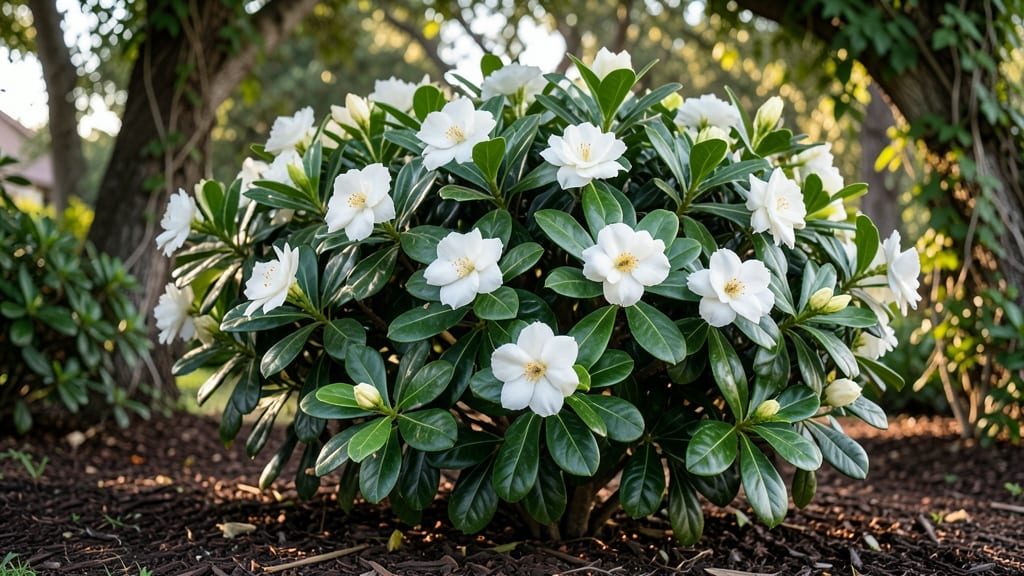
A full-grown gardenia 🌸 can reach 6 feet tall and become the fragrant centerpiece of your garden—but only if you prune it right.
Your gardenia’s intoxicating scent might be fading because most gardeners miss the key pruning window that triggers year-round blooms. Without it, you’re stuck with seasonal spikes instead of continuous fragrance.
This guide reveals the exact timing (spring vs. fall) and step-by-step technique to prune your gardenia for maximum blooms—plus how to avoid the five mistakes that kill fragrance.
Whether you’re shaping a 3-foot dwarf or a towering standard, you’ll learn how to keep your gardenia thriving with seasonal care tips and troubleshooting for common issues.
When and how to prune a full-grown gardenia for maximum blooms
A full-grown gardenia rewards you with luxurious, fragrant blooms—but only if you prune it at the right time and with the correct technique. Unlike many shrubs, gardenias bloom on new wood, meaning aggressive pruning can actually reduce your flowers.
The key is timing and precision, focusing on shaping rather than drastic cuts. When done right, you’ll enjoy year-round blooms instead of just seasonal spikes.
Most gardeners make the mistake of pruning after flowering, which removes next year’s buds. Instead, we’ll focus on late winter to early spring—just as new growth begins. This timing ensures you’re stimulating fresh blooms while maintaining the plant’s natural shape and health.
For gardenias in USDA Zone 9b (like mine in Southern California), the ideal window is February to March, right before the growing season peaks.
Before you grab your shears, gather these essential tools:
- Bypass pruners (for clean cuts on 1/4-inch stems)
- Sterilized alcohol wipes (to prevent disease spread)
- Sharp garden shears (for larger branches)
- Garden gloves (gardenia leaves can be irritating to skin)
- Pruning sealant (optional, for cuts larger than 1/2-inch)
✂️
Step-by-Step Pruning Guide for Full-Grown Gardenias
- 1. Remove Dead or Diseased Wood
- 2. Cut back 1/3 of last year’s growth to encourage new, flowering branches.
- 3. Shape the shrub by trimming outer branches to maintain an open, airy form.
- 4. Avoid cutting into old wood—look for green, leafy stems where new buds form.
- 5. Make cuts at a 45-degree angle, just above a leaf node or outward-facing bud.
- 6. Clean up fallen debris and sterilize tools to prevent fungal issues.
🌿 Pro Tip: If your gardenia blooms heavily in spring, prune lightly in late summer (August-September) to encourage a second flush of flowers.
One of the most common mistakes is over-pruning, which can leave your gardenia looking bare and stressed. Remember, gardenias bloom on new growth, so never remove more than 1/3 of the plant in a single session.
I once pruned my gardenia too aggressively in spring, and it took two full seasons to recover its fragrant blooms. Since then, I’ve stuck to minimal shaping and targeted cuts.
For gardenias in containers, pruning is even more critical because root-bound stress reduces flowering. After pruning, repot every 2-3 years to refresh the soil and stimulate new growth. Use a well-draining, acidic mix (pH 5.0-6.5) with peat moss or pine bark to mimic their natural habitat.
I’ve seen gardenias in plastic pots struggle with root rot, so always choose terracotta or fabric pots for better airflow.
If your gardenia isn’t blooming as expected, check these three key factors:
- Light levels—too much direct afternoon sun can scorch leaves and reduce blooms.
- Watering consistency—gardenia roots hate drought stress but also drown in soggy soil.
- Fertilizer type—use an acid-loving formula like 10-10-10 or cottonseed meal.
💧
Fall pruning is a controversial topic—some gardeners swear by it to prepare for winter, while others avoid it entirely. If you live in a mild climate (Zone 9b+), a light pruning in late fall (November) can remove any dead growth and shape the plant for spring.
However, avoid heavy cuts—this is not the time to stimulate new growth, as the plant needs to rest for winter.
Finally, let’s talk about bloom stimulation. Gardenias produce flowers on current season’s growth, so pruning in late winter (just as buds form) sets the stage for summer and fall blooms. After pruning, fertilize lightly with an acid-forming fertilizer to encourage strong, fragrant blooms.
I’ve noticed that my gardenias bloom most heavily when pruned in February and fertilized in March—this timing aligns with their natural flowering cycle.
With these techniques, your full-grown gardenia will thrive year-round, filling your garden with intox
Gardenia pruning mistakes that kill fragrance (and how to Fix them)
A full-grown gardenia’s fragrance is its signature, but poor pruning habits can suffocate those blooms before they even form. Many gardeners unknowingly make critical mistakes that reduce flowering by up to 70%. The key? Timing, technique, and tools. Let’s diagnose the most common errors—and how to reverse them.
First, the biggest mistake is pruning after flowering. Gardenias bloom on old wood, meaning last year’s growth produces this year’s flowers. If you cut back after blooms fade, you’re removing next season’s potential buds. This is why your gardenia might look lush but barely bloom.
⚠️ callout-warning ⚠️
- Cutting after blooms: Removes next year’s flower buds (old wood blooms).
- Dull shears: Crushes stems, inviting disease. Always use sharp, sterilized tools.
- Ignoring dead wood: Dead branches steal nutrients from blooms.
- Over-pruning: More than 1/3 of the plant at once stresses it.
- Wrong season: Prune in late winter/early spring (before buds swell).
Another silent killer is using dull pruning shears. Crushed stems create open wounds that invite fungal infections like powdery mildew. Always use bypass pruners and sterilize them with rubbing alcohol between cuts. I’ve seen gardenias with mushroom-like growths on stems—this is a clear sign of improper tools.
Don’t overlook dead or diseased branches. These aren’t just unsightly—they drain energy from your gardenia’s blooming potential. Look for branches that are brown, brittle, or oozing sap. Snip them back to the nearest healthy node (a bump where leaves grow) using a 45-degree angle to encourage faster healing.
Here’s a quick diagnostic checklist to spot pruning problems early: ☑️ Are new growths leggy and sparse? (Sign of over-pruning) ☑️ Do blooms appear only on one side? (Uneven light from poor shaping) ☑️ Are leaves yellowing or dropping?
(Stress from wrong-season pruning) ☑️ Do stems look crushed or torn? (Dull tools at fault) Fix these issues by pruning in stages—never more than 25% of the plant at a time.
Finally, avoid pruning in fall or winter. Your gardenia needs time to harden off before dormancy. Wait until late winter (just as buds swell) to prune. This timing ensures you’re not cutting back next year’s flower buds while still removing last year’s spent growth.
With these fixes, your full-grown gardenia will rebound with lush, fragrant blooms—and you’ll never have to worry about losing that signature scent again. 🌸